
Introduction to the New Bitcoin Policy
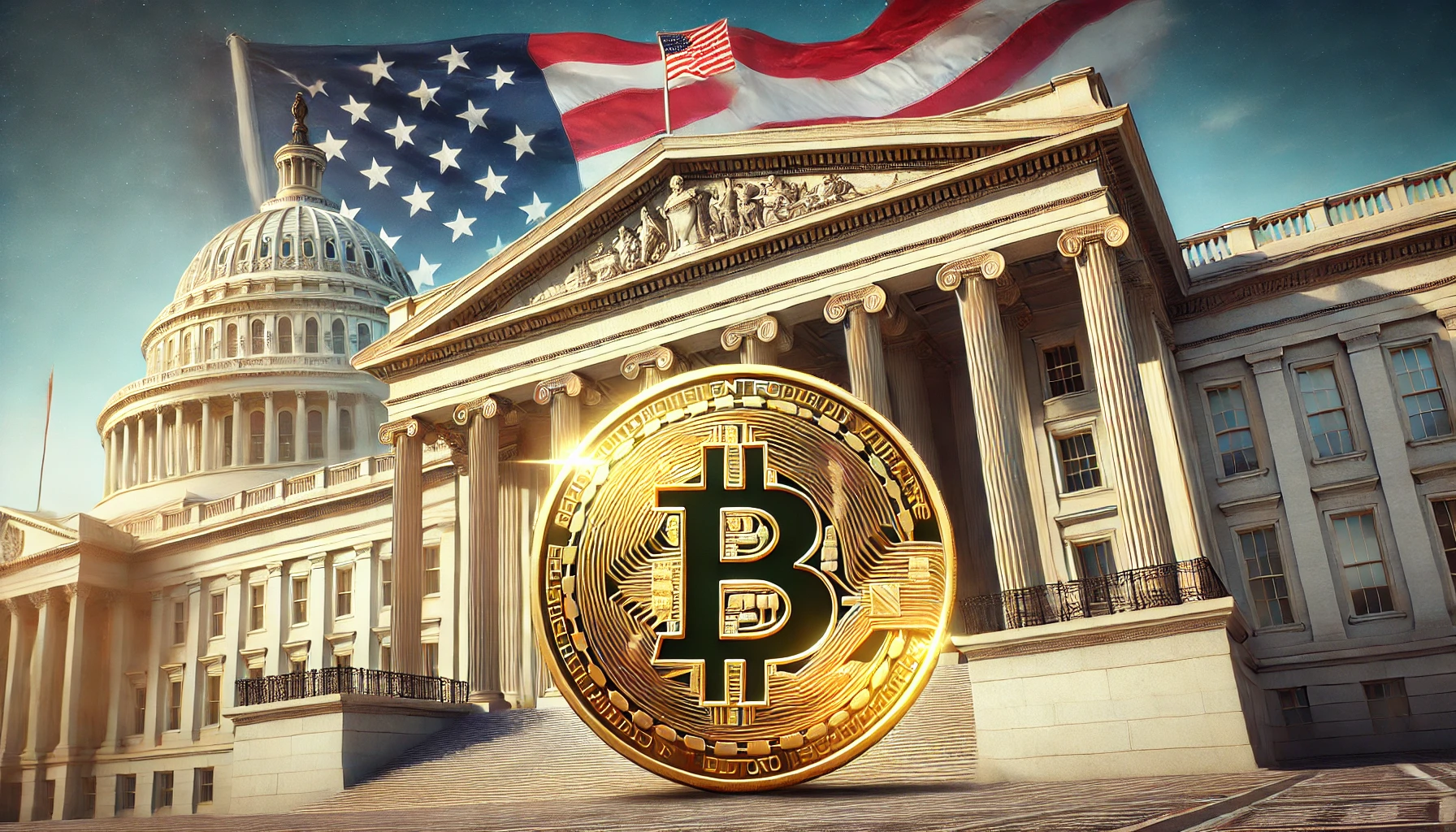
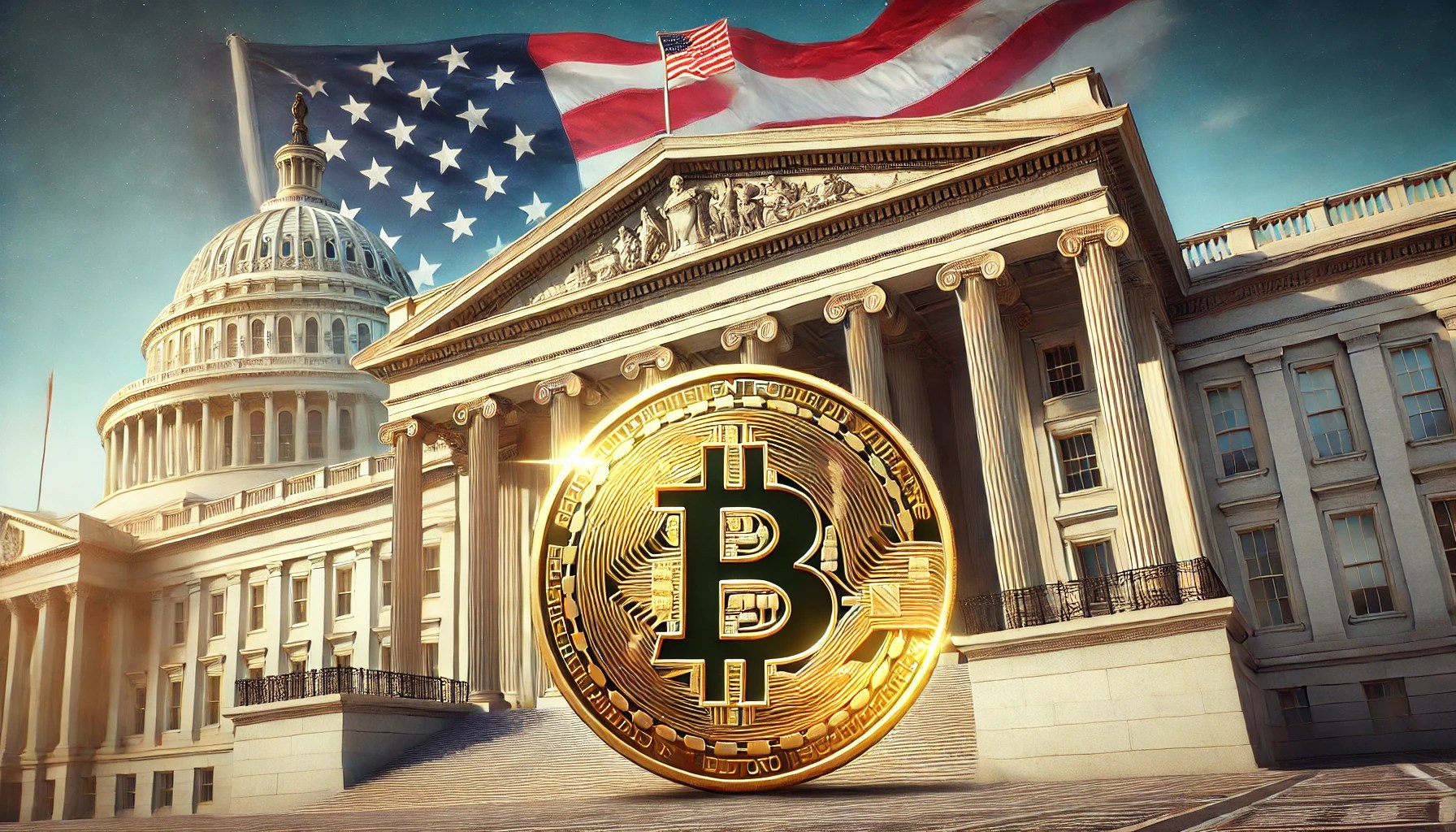
On August 14, 2025, U.S. Treasury Secretary Scott Bessent made a pivotal announcement regarding the government’s position on cryptocurrency, specifically focusing on bitcoin. This statement revealed a decisive halt to any further sales of bitcoin held by the government, a move that reflects a substantial shift in the U.S. government’s approach to digital currencies. As one of the largest holders of bitcoin, with estimates placing these holdings between $15 to $20 billion, the Treasury’s decision signals a change in strategy, reclassifying bitcoin from a liquid asset that could be quickly liquidated to a long-term store of value.
This new policy indicates that the U.S. government is beginning to recognize bitcoin not just as a speculative digital asset but as a key component of a broader financial strategy. This strategic retention of cryptocurrency aligns with the executive order established in March 2025, which aimed to create a strategic bitcoin reserve. The goal of this reserve is not only to protect assets but to position the currency as a safeguard against volatility that often plagues the cryptocurrency market.
By treating bitcoin as an asset for long-term retention, the government aims to stabilize its approach to cryptocurrencies amidst a landscape characterized by rapid market changes and unpredictable dynamics. This strategic pivot suggests a desire to mitigate risks associated with market fluctuations and to embrace a longer-term outlook on digital currencies, fostering a sense of stability in an evolving financial landscape. The freeze on sales represents a significant shift away from active market participation by the Treasury, reinforcing the government’s intent to adopt a more cautious and calculated stance regarding its bitcoin holdings.
Exploring Budget-Neutral Pathways for Future Acquisitions
In light of recent developments regarding U.S. Treasury’s stance on Bitcoin transactions, a deeper examination of budget-neutral pathways for potential future acquisitions becomes increasingly pertinent. In an insightful interview, Bessent highlighted several strategic options that the government might pursue to engage with Bitcoin while remaining fiscally responsible. These budget-neutral pathways aim to ensure that the acquisition of Bitcoin does not impose additional financial burdens on the federal budget.
One notable approach discussed is the concept of asset swaps. This method allows the government to exchange existing assets for Bitcoin, ensuring that overall budget allocations remain unchanged. By strategically trading other holdings, such as stocks or less volatile cryptocurrencies, the Treasury may facilitate a gradual acquisition of Bitcoin without necessitating further expenditure or debt increases. The potential for asset swaps could serve as a significant lever in enhancing the U.S. government’s position within the cryptocurrency ecosystem.
Another avenue highlighted is the utilization of gold reserves. The U.S. has historically maintained a substantial gold reserve, and leveraging a portion of these assets for Bitcoin purchases presents a compelling strategic alternative. Given the increasing acceptance of Bitcoin as a digital store of value, converting a fraction of gold into Bitcoin could diversify the government’s asset portfolio while maintaining a budget-neutral stance.
Additionally, the issuance of bonds backed by existing holdings represents a forward-looking option. By issuing bonds that are secured against current assets, the Treasury can raise funds while ensuring these funds are allocated toward Bitcoin investments, all without disrupting existing fiscal balances. This method may create a sustainable mechanism for acquiring Bitcoin, reinforcing the government’s commitment to participating in the evolving crypto market.
Lastly, reallocating federal resources can effectively support future Bitcoin acquisitions without requiring new funding. Streamlining and prioritizing existing federal programs could free up necessary capital for strategic investments in cryptocurrencies. Each of these pathways, while theoretical at this point, highlights the U.S. government’s potential strategy in entering the Bitcoin market responsibly and sustainably.
Historical Context: The Strategic Bitcoin Reserve
The establishment of a strategic bitcoin reserve marks a significant pivot in U.S. cryptocurrency policy, as laid out in the executive order signed by President Trump on March 6, 2025. This order introduced a framework whereby bitcoin and other digital assets are recognized as national reserves, paralleling traditional assets like gold. This strategic reserve derives its initial funding from cryptocurrencies previously seized in criminal investigations. Unlike historical practices that often relied on auctioning off seized digital assets, this new approach retains these assets within a government-controlled reserve, which underscores a strategic commitment to integrating cryptocurrency into national financial policy.
This shift represents a clear acknowledgment of the growing importance of cryptocurrencies in the modern economy. By treating bitcoin as a national reserve asset, the administration not only validates its role in the financial system but also signals potential long-term governmental aspirations to harness the value of digital currencies for national interests. The strategic reserve model introduces a new layer of management for these assets, emphasizing their value beyond mere speculative investments, and instead recognizing their strategic importance in stabilizing and enhancing the national economy.
Market Reactions and Future Outlook
The recent announcement from the U.S. Treasury regarding the freeze of Bitcoin sales has sent ripples across the cryptocurrency market. In the immediate aftermath, Bitcoin’s price experienced considerable fluctuations, illustrating the volatile nature of crypto assets. Traders and investors, often sensitive to regulatory news, reacted swiftly, resulting in sharp movements in Bitcoin’s valuation as market participants evaluated the implications of this strategic shift. The halt on sales, together with the absence of new government purchases, has cast a shadow over market sentiment, leading to increased uncertainty regarding the future trajectory of Bitcoin.
The implications for investors are significant. Market analysts suggest that the government’s stance has conveyed mixed signals about Bitcoin’s legitimacy as a digital store of value. Potential investors may now hesitate to enter the market, concerned about the regulatory landscape and the governing body’s evolving policy approach towards cryptocurrencies. The lack of new Treasury purchases has been interpreted as a signal that the government may adopt a cautious stance, which could inhibit bullish momentum that many traders have been anticipating. Such an environment can exacerbate the already prevalent volatility associated with Bitcoin trading.