
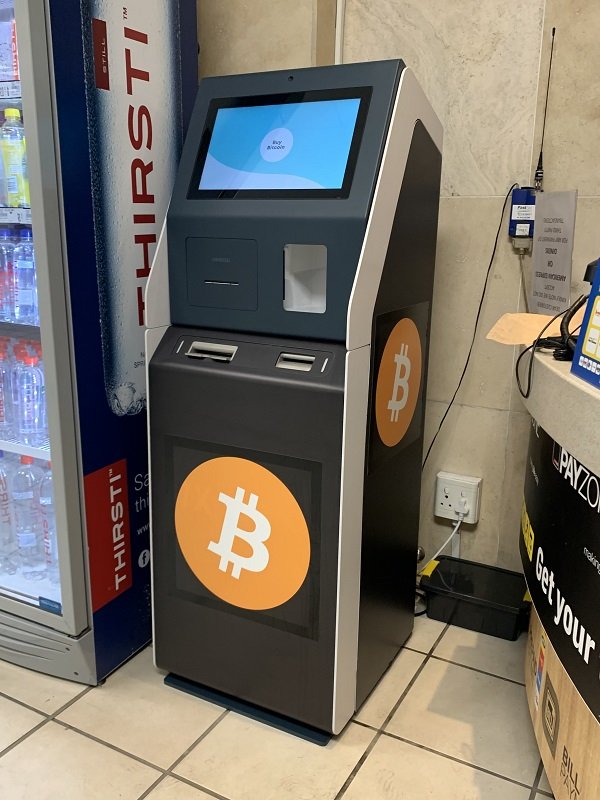
Introduction to Bitcoin ATMs
Bitcoin ATMs, also known as cryptocurrency ATMs, are machines that facilitate the buying and selling of Bitcoin and other cryptocurrencies. These automated kiosks allow users to exchange cash for Bitcoin or, in some cases, to convert their digital assets back into fiat currency. The emergence of Bitcoin ATMs can be attributed to the increasing demand for accessible cryptocurrency transactions, offering a convenient alternative to traditional online exchanges. Unlike conventional platforms that require users to create accounts and undergo verification processes, Bitcoin ATMs provide users with a more streamlined transaction experience.
Primarily, these machines serve two functions: allowing individuals to purchase cryptocurrencies and enabling withdrawals of cash from existing digital wallets. Users can approach a Bitcoin ATM, follow on-screen instructions, and complete transactions in a matter of minutes. This ease of use is particularly appealing to those who may not be tech-savvy or familiar with the intricacies of online trading platforms. Additionally, Bitcoin ATMs often offer the advantage of anonymity, as many machines do not require personal identification for transactions below a certain threshold.
The rise of Bitcoin ATMs marks a significant shift in the cryptocurrency landscape. Their presence has expanded rapidly across urban areas worldwide, making it easier for individuals to engage with cryptocurrency directly. As more locations adopt these machines, they contribute to the mainstream acceptance of digital currencies, bridging the gap between traditional finance and the evolving world of cryptocurrencies. This growing accessibility is an essential factor in understanding how Bitcoin ATMs are transforming the way people interact with digital currencies, paving the way for a broader conversation surrounding their role in the financial ecosystem.
Global Adoption and Impact
The rise of Bitcoin ATMs marks a significant milestone in the global adoption of cryptocurrency. Operating in over 80 countries, these machines serve as a bridge between traditional financial systems and the burgeoning world of digital currencies. Each Bitcoin ATM provides users with the opportunity to buy or sell Bitcoin easily and quickly, effectively democratizing access to cryptocurrency. Their geographical distribution illustrates a diverse range of acceptance across various regions, with particularly high adoption rates observed in North America, Europe, and parts of Asia.
North America remains a leader in Bitcoin ATM installations, with thousands of machines deployed across major cities. The convenience of accessing Bitcoin through ATMs has enabled both tech-savvy individuals and newcomers to engage with cryptocurrency. Following closely, Europe has witnessed a rapid escalation in Bitcoin ATM deployment, fostering a supportive environment for cryptocurrency growth. Countries such as Germany, Switzerland, and the United Kingdom have recognized the potential of Bitcoin, facilitating regulatory frameworks that support innovative financial technologies.
In parts of Asia, the adoption of Bitcoin ATMs highlights an essential shift towards financial autonomy. In regions where banking services are limited or underdeveloped, Bitcoin ATMs provide essential financial tools. For example, in several Southeast Asian countries, these machines have emerged as a lifeline for unbanked populations, allowing them to participate in the global economy and access the benefits of cryptocurrency without the constraints typically associated with traditional banking systems.
The increasing presence of Bitcoin ATMs serves a dual purpose: meeting growing consumer demand and enhancing financial inclusivity. By facilitating seamless transactions, these machines play a crucial role in fostering an environment where cryptocurrency can thrive, catering to both seasoned investors and those exploring digital currencies for the first time. In conclusion, the global spread of Bitcoin ATMs underscores a transformative shift in how financial transactions are perceived and executed, ultimately paving the way for broader cryptocurrency acceptance worldwide.
The Evolution of Bitcoin ATMs
Since their inception in 2013, Bitcoin ATMs have undergone significant transformations, reflecting the rapid advancements in technology and the growing demands of users. Initially, these machines primarily allowed for simple purchasing of Bitcoin. However, the evolution has led to more nuanced functionalities, including multi-currency support, which accommodates various cryptocurrencies alongside Bitcoin. This adaptability not only enhances user experience but also expands the market reach for potential customers.
One of the primary advancements in Bitcoin ATMs is the enhancement of security features. Early versions faced criticism for their vulnerability to hacking and fraud. Modern Bitcoin ATMs now incorporate advanced security measures, such as biometric authentication and end-to-end encryption, to safeguard user data and transactions. These features provide users with a sense of security, encouraging wider usage among individuals hesitant to engage in cryptocurrency transactions due to security concerns.
User experience has also greatly improved as manufacturers focus on creating intuitive interfaces that simplify the process of buying or selling Bitcoin. Touchscreen displays, step-by-step prompts, and language options ensure that users, regardless of their technical proficiency, can successfully navigate the transaction process. This heightened user-friendliness is crucial in broadening the demographic of people engaging with cryptocurrencies.
In addition to technological advancements, the compliance of Bitcoin ATMs with regulatory standards has evolved significantly. As governments around the world establish clearer regulations surrounding cryptocurrencies, ATM operators are adapting to meet these requirements. Robust verification processes, including Know Your Customer (KYC) and Anti-Money Laundering (AML) checks, have become standard. These protocols not only ensure legal compliance but also build trust in the legitimacy of Bitcoin transactions, fostering a safer environment for users.
The Future of Bitcoin ATMs and Cryptocurrency Integration
As Bitcoin ATMs continue to proliferate globally, their influence on the cryptocurrency landscape cannot be understated. These machines are not merely points of transaction; they represent a significant shift in the normalization of digital currencies within everyday financial interactions. The increasing integration of Bitcoin ATMs into mainstream financial systems indicates a broader acceptance of cryptocurrencies, suggesting that society is moving toward a future where digital assets become a standard part of financial portfolios.
One of the key aspects of this evolution is how Bitcoin ATMs are changing the user experience. They provide an accessible way for individuals to buy and sell cryptocurrencies, thus inviting more participation from the general public who may be hesitant to engage in traditional crypto trading through exchanges. This kind of accessibility is particularly crucial as it encourages greater adoption among demographics that previously considered cryptocurrencies too complex or risky. As a result, the presence of Bitcoin ATMs is reshaping how financial interactions occur, ushering in an era of increased digital currency competency among users.
Moreover, the persistence of entrepreneurs in the cryptocurrency sector suggests a promising outlook for Bitcoin ATMs. Their continuous investment in developing user-friendly technologies and expanding ATM networks indicates a strong confidence in the long-term viability of cryptocurrencies. As more businesses and financial institutions begin to recognize and embrace cryptocurrencies, Bitcoin ATMs will likely play a crucial role in bridging the gap between conventional finance and the digital economy. This growing synergy lays the groundwork for a future where cryptocurrencies, aided through Bitcoin ATMs, can achieve widespread acceptance, thereby enhancing their legitimacy and stability as viable financial assets.