
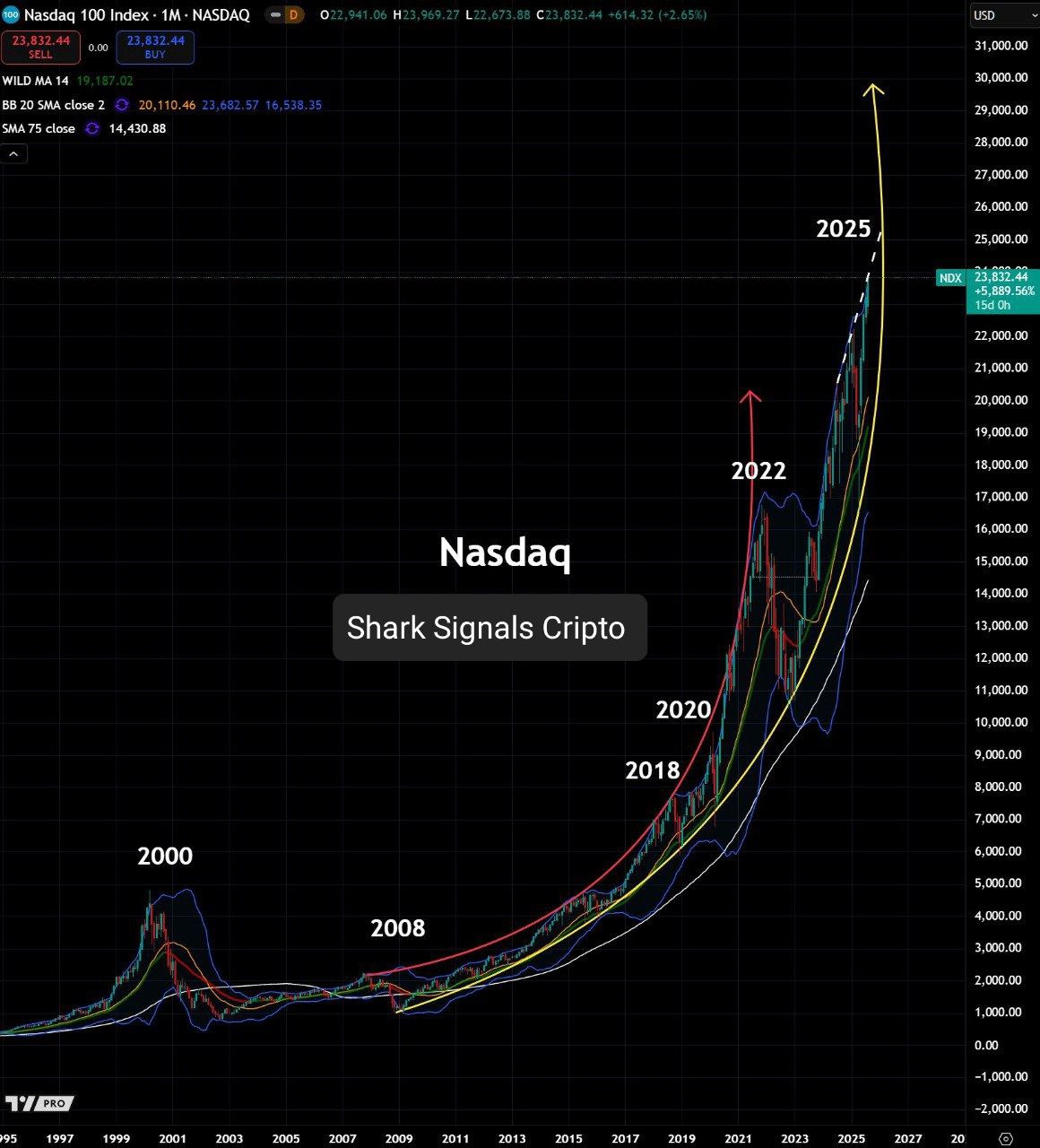
Understanding Elliott Wave Theory
Elliott Wave Theory is a technical analysis approach that seeks to predict market trends by observing the repetitive patterns of price movements. The theory postulates that market prices unfold in a specific sequence known as waves, which can be observed across various financial assets, including cryptocurrencies. The foundational concept stems from the idea that market sentiment oscillates between optimism and pessimism, thus generating a cyclical nature in price movements.
Typically, Elliott Wave Theory identifies a pattern comprising five upward waves followed by three corrective waves. The upward waves, labeled as waves one through five, indicate periods of market growth and rising investor confidence. Conversely, the corrective waves, labeled A, B, and C, represent moments of retracement where the market experiences a decline or correction, showcasing investor skepticism.
For example, following a bullish phase where price activity ascends through five distinct waves, investors often observe a subsequent decline during the corrective phase. This structure of waves is identified in various historical market cycles, making it a valuable framework for traders and investors looking to navigate the complexities of the crypto market.
By applying Elliott Wave Theory, market participants are better equipped to assess momentum and make informed decisions about future price movements. Charting these waves enables traders to identify potential points of entry and exit, thereby enhancing their trading strategies. The theory’s emphasis on the psychological components that drive price movements adds depth to traditional technical analysis, as it accounts for the emotional influences that can sway market trends.
In essence, understanding Elliott Wave Theory can be advantageous for those keen on dissecting the intricacies of market cycles, especially in the dynamic and often volatile crypto landscape.
Analyzing the Current Crypto Market Waves
The current state of the crypto market can be observed through the lens of the Elliott Wave theory, which suggests that the market behavior unfolds in distinct waves. Since the rally that began in 2020, we have witnessed significant movements that align with this framework, providing insights into the present conditions and future potential of the crypto space. Initially, the first wave can be characterized by rising prices amidst increasing enthusiasm from early adopters. This phase saw groundbreaking innovations and the entrance of institutional investors, which set the stage for a bullish trajectory.
The second wave witnessed a correction, a natural phenomenon in market cycles where profit-taking and skepticism arise, culminating in a temporary decline. However, this was followed by the third wave, which is often regarded as the strongest and longest, marked by heightened bullish momentum. The crypto market experienced a massive influx of capital, leading to record-breaking valuations for various cryptocurrencies. This surge was driven by a growing recognition of the potential of blockchain technology and decentralized finance. Importantly, this third wave helped cement the legitimacy of cryptocurrencies as an asset class.
The fourth wave introduced another correction but was more subdued compared to its predecessor, indicating a mature market adapting to new realities. This correction saw an ongoing interest from investors, despite the volatility, suggesting that the appetite for digital assets remained robust. Presently, as we consider the possibility of nearing the fifth wave, several indicators signal sustained bullish interest—specifically, innovations in technology, regulatory developments, and increased mainstream adoption. These factors are essential for evaluating the market’s readiness for the next phase. Investors’ sentiment and adaptive strategies will be crucial as we approach what might be a pivotal moment in the crypto landscape.
The Dynamics of the Fifth Wave: A Cautionary Analysis
The fifth wave of the crypto market is defined by a series of characteristics that signal not only growth, but also potential risks for traders and investors alike. Typically identified as the final upward thrust in a bullish market cycle, the fifth wave frequently culminates in heightened exuberance among market participants. This enthusiasm may lead to inflated asset prices, which, upon reaching their zenith, can prompt a subsequent period of stagnation or correction. Traders should remain vigilant during this phase, as the risk of significant downturns increases correspondingly with the wave’s climax.
External factors play a crucial role in shaping the dynamics of this fifth wave. One significant influence is the monetary policy articulated by the Federal Reserve. Decisions regarding interest rates, quantitative easing, and overall economic strategy can sway investor sentiment and behavior drastically. For instance, an unexpected shift in policy can instill either confidence or apprehension in the market, potentially exacerbating volatility during the fifth wave. It is essential for stakeholders to monitor these developments closely; a seemingly inconsequential adjustment in monetary policy can trigger reverberations throughout the crypto landscape.
Additionally, the unpredictable nature of the crypto market complicates the narrative surrounding the fifth wave. While traditional methodologies suggest that certain theories delineate market behavior, current trends illustrate that sustained bullish sentiment can persist even when such parameters may indicate otherwise. This divergence highlights the importance of understanding the risk versus opportunity framework. In this context, investors need to balance their eagerness for potential profits against an awareness of the market’s capriciousness. By adopting a cautious but informed perspective, traders can navigate the complexities that accompany the final stages of a market cycle, thus positioning themselves more favorably in an uncertain environment.
Navigating the Crypto Landscape: Strategies for Investors
In the ever-evolving world of cryptocurrency, investors are faced with a myriad of challenges and opportunities, especially as we witness the fifth wave of the crypto market. Understanding how to effectively navigate this landscape requires a multifaceted approach combining technical analysis and macroeconomic awareness. One of the foundational tools that can be employed is the Elliott Wave Theory. This method helps investors identify potential market trends and reversal points, allowing them to make more informed trading decisions.
Moreover, keeping abreast of macroeconomic factors is essential. Global economic indicators, regulatory developments, and geopolitical events can significantly influence market dynamics. Engaging in a continuous analysis of these factors alongside technical signals will provide a broader context for decision-making, helping to mitigate risks associated with sudden market shifts. Consequently, a dual-focus approach, incorporating both technical and macro factors, is crucial for navigating the complexities of the cryptocurrency market.
Effective risk management strategies cannot be overlooked. Investors should determine their risk tolerance and establish clear parameters for their trades, including stop-loss orders and position sizing. This disciplined approach not only safeguards against significant losses during periods of volatility but also supports long-term investment strategies. Additionally, employing a diversified portfolio can reduce the impact of adverse movements in any single asset or sector within the crypto market.
Being vigilant and adopting strategies to anticipate market shifts is imperative in this environment. Engaging with reputable forums, following industry leaders on social media, and utilizing analytical tools can enhance an investor’s ability to adapt to changing conditions. As the cryptocurrency market remains unpredictable, a balance of optimism and caution will empower investors to make informed decisions and potentially capitalize on forthcoming opportunities.