
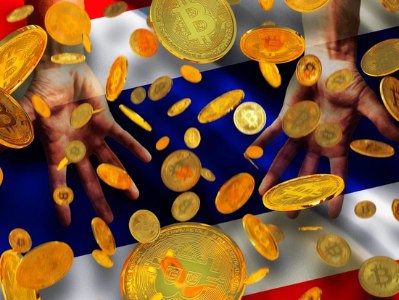
A New Chapter for Thailand’s Tourism Economy
Tourism has long been a cornerstone of Thailand’s economy, contributing significantly to the nation’s gross domestic product (GDP) and employment. Pre-pandemic, the tourism sector accounted for roughly 20% of the GDP, underlining its crucial role in economic stability and growth. As international travel resumes and global tourism dynamics evolve, Thailand recognizes the necessity of adapting to the changing preferences of tourists, particularly in the realm of payment technologies.
With an increasing number of global travelers favoring cashless transactions, Thailand’s government has taken decisive steps to modernize its payment systems. The recent introduction of a crypto payment sandbox serves as a vital instrument in this initiative. By providing a controlled environment for the testing of cryptocurrency transactions, the sandbox allows for experimentation and adaptation without the risk of broader economic disruption. This innovative approach aims to attract a new demographic of tech-savvy tourists who are increasingly inclined to utilize digital currencies during their travels.
The government’s dual objectives are clear: first, to enhance the visitor experience by offering flexible and modern payment options, and second, to reinforce and rejuvenate the economy post-pandemic. By integrating cryptocurrencies into the payment landscape, Thailand aims to not only diversify its tourism offerings but also position itself as a frontrunner in adopting advanced financial technologies. As these changes unfold, they hold the promise of revitalizing the tourism sector, drawing in both traditional travelers and those seeking cutting-edge experiences.
As Thailand embraces this new chapter, the successful implementation of the crypto payment sandbox could serve as a model for other countries looking to modernize their tourism initiatives. The key lies in striking a balance between innovation and security, ensuring that the transition to digital currencies enhances the overall economic landscape while catering to the needs of modern travelers.
How the Crypto Payment Sandbox Works
The newly introduced crypto payment sandbox in Thailand operates as a controlled environment where licensed cryptocurrency exchanges and fintech companies can collaborate to facilitate the use of digital currencies for tourism-related transactions. This initiative aims to simplify the payment process for international travelers by allowing instant conversion of various cryptocurrencies into Thai baht, ensuring seamless transactions while maintaining regulatory compliance.
Within this sandbox, participating companies will be equipped with the necessary tools to implement robust systems that can handle real-time conversions. Tourists will be able to utilize their mobile wallets to make payments at a wide array of participating businesses, including hotels, restaurants, and retail stores across Thailand. The integration of popular cryptocurrencies, such as Bitcoin and Ethereum, is anticipated to provide an enhanced level of convenience for travelers who wish to maintain their digital assets while exploring the vibrant culture of Thailand.
One of the standout advantages of this system is the lower transaction fees compared to traditional payment methods. Conventional bank fees and currency exchange costs can often deter tourists, yet the sandbox is designed to minimize these expenses. By leveraging the efficiencies of blockchain technology, the platform aims to ensure that tourists pay less in fees, enabling them to allocate more of their funds towards experiences rather than transaction costs. This not only encourages greater spending but also enhances the overall travel experience. Ultimately, the crypto payment sandbox serves as a strategic effort to attract a tech-savvy tourist demographic while reinforcing Thailand’s position as a forward-thinking hub in the global cryptocurrency landscape.
Positioning Thailand as a Crypto-Friendly Destination
Thailand is strategically positioning itself as a leading destination for tech-savvy travelers by embracing blockchain technology and creating a robust regulatory framework surrounding digital assets. The country’s proactive approach towards integrating cryptocurrencies into its tourism sector is reflected in its recent launch of a crypto payment sandbox. This initiative allows businesses within the tourism industry to experiment with and adopt cryptocurrency payments, ultimately catering to a growing demographic of crypto users seeking seamless travel experiences.
The Thai government has implemented various regulations that govern digital assets, ensuring that both users and businesses operate within a secure environment. Licensed exchanges play a crucial role in this ecosystem by facilitating transactions and ensuring compliance with local laws. This regulatory clarity is essential in fostering confidence among investors and tourists alike, as the presence of legitimate exchanges alleviates concerns regarding security and fraud that can be prevalent in the cryptocurrency market.
In comparison to other well-known crypto-friendly regions, such as the United Arab Emirates and Singapore, Thailand’s initiative stands out as a balanced approach to innovation and regulation. While the UAE and Singapore have established themselves as major players in the cryptocurrency space, their aggressive marketing strategies and extensive digital infrastructures provide valuable lessons for Thailand. By fostering an environment that balances the need for regulatory compliance with encouragement for technological advancement, Thailand aims to attract a new wave of visitors interested in the benefits of cryptocurrency.
This pursuit not only enhances Thailand’s reputation as a tourist destination but also positions the country as a significant player in the global digital economy. By capitalizing on the burgeoning interest in cryptocurrencies, Thailand can create a unique niche that appeals to both tourists and investors, ultimately driving growth in its economy while prioritizing safety and integrity within the blockchain sphere.
The Bigger Picture: Future Implications for Southeast Asia
The introduction of Thailand’s crypto payment sandbox marks a significant milestone not only for the nation but also for the broader Southeast Asian landscape. As Thailand seeks to enhance its tourism sector through financial innovation, the underlying implications extend far beyond its borders. By leading the way in integrating cryptocurrency within the tourism framework, Thailand sets a precedent that could inspire surrounding nations grappling with the challenges and opportunities presented by digital currencies.
Establishing a crypto payment infrastructure can potentially reshape economic interactions in Southeast Asia. Neighboring countries may observe the success of Thailand’s sandbox model, encouraging them to explore similar initiatives aimed at integrating cryptocurrency transactions into their own tourism or retail sectors. Such developments could foster regional economic collaboration, potentially leading to the establishment of a more cohesive digital economy across Southeast Asia. The region, characterized by its diverse economic environments, stands to benefit significantly from adopting advanced payment solutions, enhancing both local and foreign tourist experiences.
Furthermore, Thailand’s proactive approach to adopting innovative financial solutions reflects its broader strategy to adapt to changing economic landscapes. By embracing cryptocurrency, the Kingdom not only aims to revamp the tourism industry but also positions itself as a leader in the financial technology (fintech) arena. This commitment to innovation serves to attract venture capital and enhance the country’s international reputation in economic modernization.
In conclusion, the implications of the crypto payment sandbox are profound, serving as a catalyst for potential shifts within the tourism sectors of Southeast Asia. As Thailand forges ahead with this initiative, the likelihood of stimulating similar projects in neighboring countries remains high, which can further drive the region’s economic growth and technological advancement.