
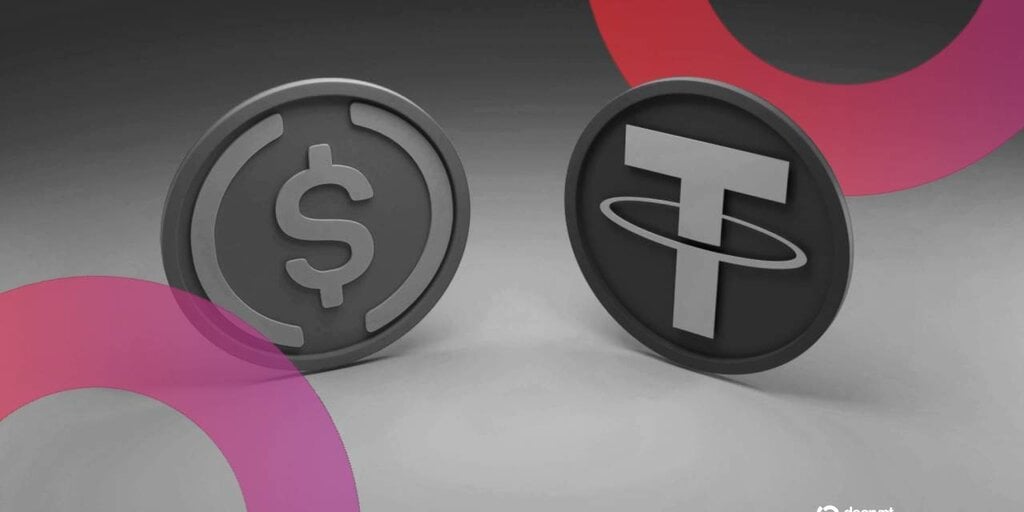
Introduction to Tether and Circle
Tether and Circle are two key players in the ever-evolving cryptocurrency market, both known for their significant contributions to the ecosystem through the development of stablecoins. Tether, founded in 2014, introduced the first widely-used stablecoin, USDT, which is pegged to the value of the US dollar. This mechanism helps mitigate the volatility typically associated with cryptocurrencies, providing users with a more stable alternative for transactions and value preservation. Through the years, Tether has grown to become one of the largest trading volumes in the crypto space, facilitating liquidity and serving as a bridge between traditional fiat currencies and digital assets.
On the other hand, Circle, established in 2013, is the issuer of the USD Coin (USDC), another prominent stablecoin designed to maintain a 1:1 peg with the US dollar. Circle has focused on transparency and regulatory compliance, embracing innovation while fostering partnerships with various financial institutions. This positions Circle as a vital entity when it comes to ensuring safe and efficient digital currency transactions. Together, Tether and Circle play crucial roles in the broader cryptocurrency ecosystem by enabling users to conduct transactions and store value with fewer risks compared to traditional cryptocurrencies.
The significance of stablecoins in today’s financial landscape cannot be overstated. As digital currencies gain acceptance among individuals and businesses alike, stablecoins offer an essential solution for bridging the gap between the volatility of cryptocurrencies and the stability of traditional financial systems. Furthermore, they facilitate cross-border transactions, reduce fees, and provide new avenues for financial inclusion. The recent meetings between Tether and Circle executives and South Korean banking leaders underscore the growing collaboration between cryptocurrency firms and traditional banks, indicating a pivotal shift in the way digital currencies are perceived and integrated into the global financial framework.
The Meeting Details: Who, When, and Why
On October 10, 2023, a significant meeting took place in Seoul, South Korea, bringing together executives from Tether and Circle, two prominent players in the cryptocurrency space, alongside key representatives from several major South Korean banks. This meeting marked a pivotal moment in the ongoing dialogue between traditional financial institutions and the rapidly evolving world of digital currencies. The attendees included Tether’s Chief Technology Officer, Paolo Ardoino, and Circle’s CEO, Jeremy Allaire, who were joined by executives from Shinhan Bank, KB Kookmin Bank, and Woori Bank, among others.
The primary aim of the meeting was to explore potential partnerships and collaborative efforts that could bridge the gap between cryptocurrency services and traditional banking. Tether and Circle have positioned themselves as leaders in the stablecoin market, and securing collaborations with South Korean banks could facilitate increased adoption of their digital assets within the region. Both companies expressed a strong interest in creating frameworks that would ensure regulatory compliance while fostering innovation in the financial landscape.
This gathering comes at a crucial time, as South Korea’s regulatory framework surrounding cryptocurrency is rapidly evolving. The South Korean government has been making strides to provide clear guidelines for the integration of digital currencies with traditional financial systems. The executives discussed the importance of creating a harmonious regulatory environment that not only protects consumers but also encourages investment and technological advancements in the blockchain sector. By aligning their goals with those of South Korean banking giants, Tether and Circle aim to lay the groundwork for a new era of collaboration that could significantly reshape the future of finance in the region.
Implications for South Korean Banking and Cryptocurrency Regulation
The recent meetings between executives from Tether, Circle, and major South Korean banking institutions signal a transformative shift toward the integration of cryptocurrency within traditional financial systems. These discussions may catalyze innovative developments in financial products and services, particularly regarding the incorporation of stablecoins into banking operations. Stablecoins, which are cryptocurrencies pegged to stable assets, offer a viable means for banks to enhance liquidity, streamline transaction processes, and reduce volatility risks often associated with other cryptocurrencies.
Furthermore, the collaboration between these cryptocurrency firms and South Korean banks could lay the groundwork for regulatory changes that prioritize not only the protection of investors but also the facilitation of new financial mechanisms. As the global landscape of cryptocurrency continues to evolve, South Korea’s approach to regulation may shift to accommodate the unique characteristics of digital assets. Policymakers will likely consider frameworks that enable a secure and efficient integration of stablecoins, addressing concerns related to anti-money laundering (AML) and know-your-customer (KYC) requirements while fostering a conducive environment for innovation.
The implications of such collaborations extend beyond mere financial innovation; they also indicate a broader acceptance of cryptocurrencies within South Korean society. As banks adapt to the rise of digital currencies, they may enhance their offerings, allowing customers to conduct seamless transactions using cryptocurrencies and stablecoins. Such advancements could promote greater public trust in digital financial products, fostering wider adoption.
In conclusion, the engagement between Tether, Circle, and South Korean banking giants presents significant opportunities for enhancing financial services and transforming the regulatory landscape. As these institutions explore stablecoin integration, the regulatory framework may evolve in tandem, potentially leading to a more robust and innovative cryptocurrency market in South Korea.
Future Prospects: A Path Forward for Cryptocurrencies in South Korea
The recent meeting between executives from Tether and Circle and leading South Korean banking institutions marks a significant turning point for the cryptocurrency landscape in the country. This collaboration hints at a future where cryptocurrencies, particularly stablecoins, are more integrated into the traditional financial ecosystem. One of the most promising aspects of this partnership is the anticipated emergence of innovative financial technologies (fintech) that leverage stablecoins for enhanced transactional efficiency.
As Tether and Circle begin to work closely with South Korean banks, we can expect a surge in cross-border trading opportunities. Stablecoins, due to their pegged nature, minimize the volatility that typically plagues cryptocurrencies, making them an appealing option for international transactions. This stability could facilitate smoother trading between South Korean firms and their global counterparts, helping to position South Korea as a cryptocurrency-friendly trading hub.
Moreover, the collaboration may lead to the development of new financial products that utilize stablecoins, such as digital wallets, payment systems, and lending services. These products hold the potential to provide better access to financial services for a broader segment of the population, ultimately driving adoption of cryptocurrencies in everyday transactions. Additionally, the regulatory landscape in South Korea is evolving, with increased government interest in cryptocurrency, which may further enable innovation and growth.
However, while opportunities abound, challenges remain. Tether and Circle must navigate local regulations and concerns around financial security, compliance, and the growing sophistication of cyber threats. The success of their initiatives will largely depend on their ability to build trust with consumers and institutions alike.
In conclusion, the future of cryptocurrencies in South Korea appears promising, driven by the synergy between traditional banking and innovative fintech solutions. As Tether and Circle look to establish their presence in this dynamic market, their collaboration with South Korean banks may well be a pivotal step toward reshaping the financial landscape, presenting both opportunities and challenges in the journey ahead.