
Understanding Real-World Asset Tokenization
Real-world asset tokenization refers to the process of converting physical and traditional assets—such as stocks, bonds, real estate, and commodities—into digital tokens that can be stored and traded on a blockchain. This transformative approach leverages blockchain technology to enhance the management and exchange of these assets, streamlining processes that have traditionally been cumbersome and inefficient. By representing assets digitally, tokenization provides a transparent and secure method for ownership tracking and transaction recording.
The benefits of asset tokenization are substantial. One of the most significant advantages is fractional ownership, which allows multiple investors to hold a share of high-value assets that may have previously been out of reach. For instance, through tokenization, real estate properties can be divided into smaller digital shares, enabling a broader base of investors to participate in the market. This democratization of asset ownership can drive greater engagement and investment in various sectors.
Additionally, tokenization significantly increases liquidity, allowing assets that are typically illiquid, such as real estate or fine art, to be traded more flexibly. Investors can buy and sell their tokenized assets quickly without the need for lengthy and complex processes typically associated with traditional asset transactions. This enhanced liquidity can attract more participants and encourage transactions in the market, making it more vibrant and accessible.
Furthermore, the global reach of blockchain networks removes geographical barriers to investment, permitting individuals from various regions to participate in diverse markets. Industry forecasts indicate that the real-world asset tokenization market is poised for substantial growth. As more institutions recognize the potential of tokenized assets, we can expect significant shifts in how assets are recognized and traded on a global scale. These trends indicate not only opportunities for individual investors but also possibilities for institutions aiming to modernize their asset management strategies.
Archax: Bridging Regulated Markets with Blockchain Innovation
Archax stands at the forefront of the digital asset revolution, offering a regulated exchange and custodian based in London. With strategic licensing granted by the UK’s Financial Conduct Authority (FCA), Archax has established itself as a credible entity within both the traditional financial and blockchain landscapes. This regulatory endorsement is crucial, as it ensures that Archax adheres to stringent guidelines and compliance protocols, effectively bridging the gap between regulated markets and the innovative world of blockchain technology.
In a rapidly evolving financial environment, the tokenization of real-world assets emerges as a transformative opportunity. Archax plays a pivotal role in this domain, offering a compliant framework that allows for assets to be tokenized while ensuring safety and adherence to regulatory standards. This compliance is essential for attracting institutional investors who require assurance that their investments are protected under recognized legal frameworks. By operating within this regulated space, Archax demonstrates its commitment to instilling confidence in potential users and stakeholders.
The platform not only facilitates the trading of digital assets but also serves as a custodian for those assets, providing a safe environment for storage and management. This dual function enables investors to engage with tokenized assets without the usual risks that accompany unregulated environments, such as market manipulation and the lack of oversight. Additionally, Archax’s commitment to transparency and security positions it as a trusted partner for entities wishing to explore the benefits of blockchain technology without compromising regulatory obligations.
In essence, Archax effectively merges the worlds of traditional finance and blockchain innovation, enabling a seamless integration of tokenized assets into existing markets. This integration stands to revolutionize how assets are created, traded, and managed, ultimately fostering a new era of investment opportunities that align with modern technological advancements.
The Strategic Role of Stellar Blockchain
The Stellar blockchain serves as a robust framework for the burgeoning field of asset tokenization, characterized by its speed, scalability, and low transaction costs. These features collectively enhance the process of issuing and managing tokenized assets, making Stellar a highly suitable platform for such integrations. With transaction times averaging just a few seconds, Stellar enables near-instantaneous transfers of value, a crucial requirement in the fast-paced financial landscape where time is often equated with cost savings and competitiveness.
Additionally, the scalability of the Stellar network supports a high volume of transactions without compromising efficiency. This attribute is particularly vital as more entities begin to explore the possibilities of tokenizing real-world assets, which can include anything from real estate to commodities. The ability to handle increased transaction loads means that the Stellar blockchain can accommodate an expanding user base and an ever-increasing number of tokenized assets without degradation of service.
Low transaction costs associated with the Stellar network further amplify its appeal for asset tokenization. With fees typically amounting to just a fraction of a cent, the financial barriers often tied to traditional asset transactions are significantly reduced. This enables small and medium-sized enterprises to participate in markets previously dominated by larger entities, thereby democratizing access to various asset classes.
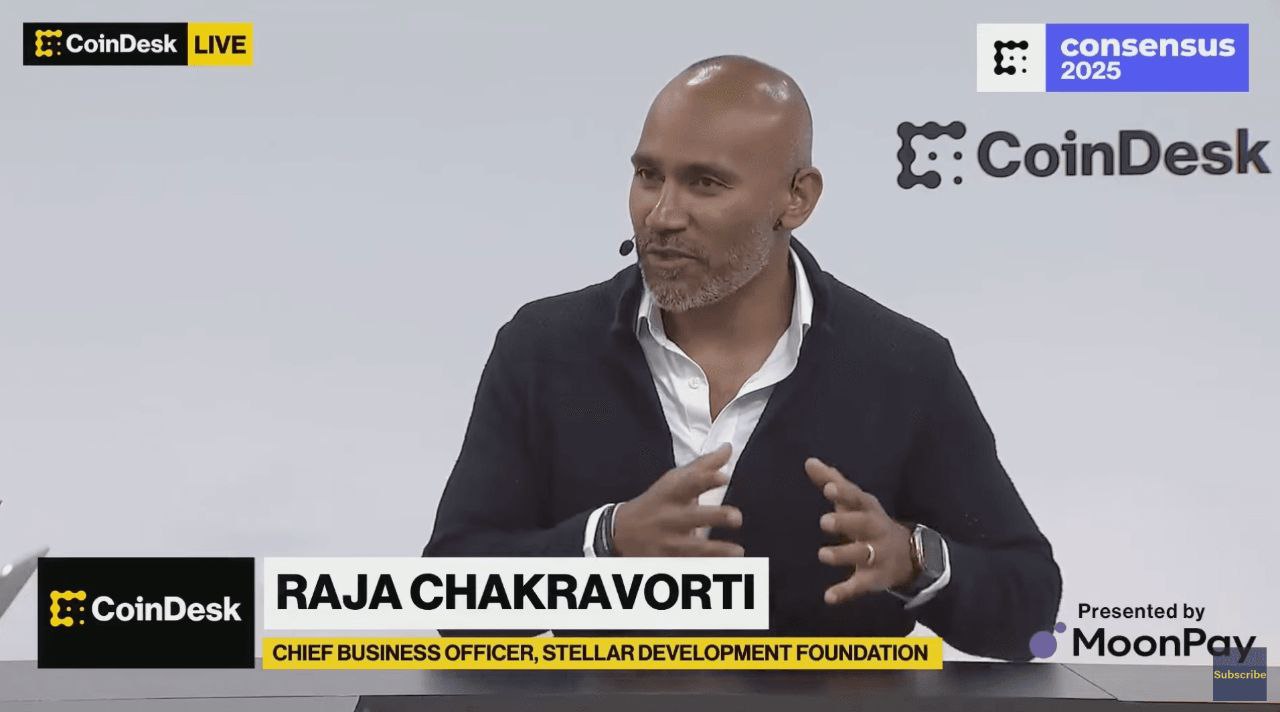
The collaboration between the Stellar Development Foundation and Archax is particularly noteworthy, as it aims to leverage these inherent strengths of the Stellar blockchain to promote tokenized securities. Specific initiatives are being undertaken to enhance interoperability between traditional and digital asset markets, making it easier for investors and asset managers to navigate and transact in tokenized environments. Such developments not only bolster the adoption of tokenized securities but also herald a new era of innovation within the financial ecosystem.
The Future of Institutional Adoption of Blockchain Technology
The recent investment by the Stellar Development Foundation (SDF) in Archax underscores a pivotal moment for institutional adoption of blockchain technology. This partnership signals a significant move towards the integration of traditional finance with blockchain solutions, paving the way for mainstream acceptance of digital assets. As financial institutions increasingly seek innovative ways to enhance their operations, the promise of real-world asset tokenization becomes increasingly appealing. With projected opportunities reaching into the trillions by 2030, the implications of this collaboration are noteworthy.
Traditional financial markets have long been constrained by legacy systems and bureaucracy, which often hinder efficiency and transparency. The advent of blockchain technology offers a groundbreaking solution by introducing decentralized ledgers that improve transactions through enhanced security and transparency. The SDF’s support for Archax, a regulated exchange that specializes in tokenizing real-world assets, showcases a confluence of innovation and regulatory clarity. This merger of blockchain with institutional markets is anticipated to not only streamline processes but also foster trust among investors, which is essential for wider adoption.
However, as this partnership unfolds, several challenges may arise. Regulatory hurdles, market volatility, and technological integration must be navigated judiciously. Financial institutions will need to adjust their operating models and risk frameworks to accommodate blockchain’s unique characteristics. Conversely, they stand to gain from improved liquidity and access to a broader base of investors through tokenized assets. This duality of challenges and opportunities will shape the financial landscape in the coming years.
In conclusion, the SDF’s investment in Archax exemplifies the growing momentum for blockchain technology within institutional settings, representing a significant breakthrough towards achieving widespread acceptance of digital assets. As the industry evolves, it will be critical to monitor the outcomes of such collaborations, which may redefine the future of finance and investment. The trajectory towards a tokenized economy is not only achievable but poised to revolutionize asset management and value exchange in profound ways.