
Introduction to SpaceX’s Bitcoin Strategy
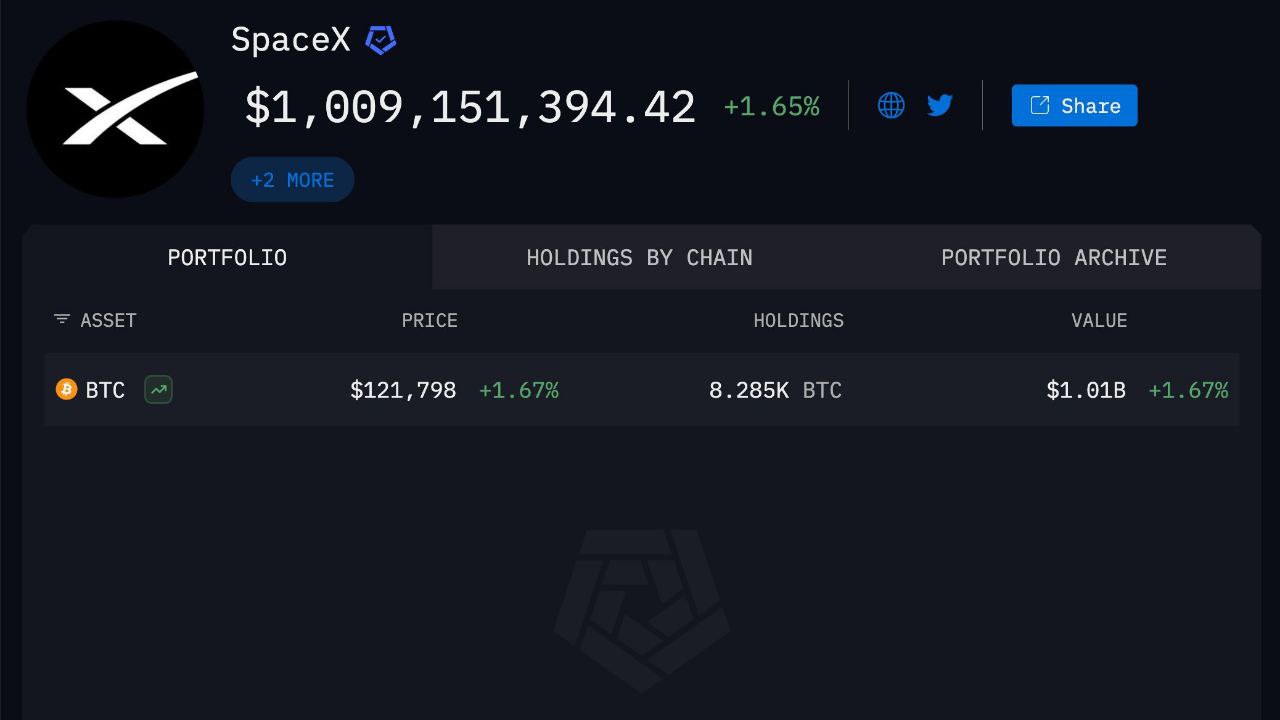
In recent years, there has been a notable shift in how corporations approach digital currencies, particularly Bitcoin. Among these pioneering companies, SpaceX stands out, having made an impactful foray into the cryptocurrency market with its Bitcoin holdings surpassing $1 billion. This strategic decision is significant, not only for the company itself but also for the broader landscape of corporate investments in cryptocurrencies.
SpaceX, founded by Elon Musk in 2002, is primarily known for its ambitious goals in space exploration and satellite technology. However, its entry into the Bitcoin market represents a forward-thinking strategy aimed at diversifying its financial assets and leveraging the potential of digital currencies. The company’s accumulation of Bitcoin indicates a recognition of cryptocurrency as a cash alternative and a store of value, reflecting a growing trend among corporations to include Bitcoin as part of their treasury management.
This billion-dollar investment is a key milestone that underscores the evolving relationship between traditional financial systems and cryptocurrencies. SpaceX’s decision to embrace Bitcoin aligns with the actions of several other high-profile corporations that have made significant investments in digital currencies, signaling a new era of corporate cryptocurrency investment. The implications of such investments are profound, shaping market perceptions and potentially influencing future regulatory approaches.
Throughout the blog post, a detailed examination of SpaceX’s Bitcoin strategy will be conducted. Key points will include the timeline of their investment, the motivations behind their decision to acquire Bitcoin, and the anticipated impact of this move within the corporate and cryptocurrency spheres. By understanding the significance of SpaceX’s Bitcoin holdings, readers can gain insights into the future trajectory of corporate engagement with cryptocurrencies.
Timeline of Bitcoin Accumulation by SpaceX
SpaceX’s journey into Bitcoin investments commenced in January 2021, marking a significant development in the realm of corporate cryptocurrency investment. During the initial phase, the organization adopted a gradual yet calculated approach to acquire Bitcoin. This strategy appears to reflect the company’s overarching philosophy of careful investment tailored to emerging technologies.
By March 2021, reports began to surface indicating that SpaceX had accumulated substantial Bitcoin holdings. This early investment coincided with a period of heightened interest in cryptocurrencies, with Bitcoin reaching new all-time highs. Recognizing the potential of Bitcoin as a store of value and a form of digital gold, SpaceX escalated its acquisition efforts. Over the next several months, the company strategically navigated market fluctuations, ensuring that their investments aligned with the company’s long-term financial goals.
By January 2022, SpaceX’s Bitcoin holdings had notably expanded, attaining a valuation exceeding $600 million. Subsequent purchases throughout 2022 were driven by both market analysis and the increasing mainstream acceptance of cryptocurrencies. The firm’s ability to utilize Bitcoin not only as an investment vehicle but also as a potential operational asset underscored a pioneering approach within the aerospace sector. As 2022 progressed, Bitcoin experienced significant volatility, yet SpaceX remained undeterred, continuing to accumulate this digital asset judiciously.
By May 2023, reports confirmed that SpaceX’s total Bitcoin holdings surged beyond the $1 billion mark, achieving an impressive milestone for the firm. This growth trajectory emphasizes the methodical strategy embraced by the company over a period of three years and four months. Their commitment to accumulating Bitcoin reflects not only a foresight into market trends but also showcases SpaceX’s innovative stance within the larger context of corporate participation in the cryptocurrency ecosystem.
The Long-Term Commitment to Bitcoin
SpaceX’s significant investment in Bitcoin, exceeding $1 billion, reflects a noteworthy long-term commitment to the cryptocurrency, a clear signal amidst the ongoing volatility of digital assets. Despite fluctuations in market value, SpaceX has determined to retain its Bitcoin holdings, demonstrating confidence in the future potential of this cryptocurrency. This steadfast approach underscores a belief in Bitcoin’s resilience and long-term viability, contrasting with the actions of other corporations that may have liquidated portions of their cryptocurrency investments during downturns.
Financial experts perceive SpaceX’s decision as indicative of a broader trend among corporations, advocating a long-term perspective on cryptocurrency investments. This philosophy aligns with the view that Bitcoin, as a decentralized digital currency, offers advantages such as hedging against inflation and serving as a store of value. By committing to Bitcoin through substantial investments, SpaceX articulates a belief in the digital currency’s potential to appreciate over time, particularly as institutional interest continues to grow.
Comparatively, other major corporations have engaged with cryptocurrencies, yet their strategies vary significantly. For instance, some companies, like Tesla, have oscillated in their approach to Bitcoin, buying and selling as market conditions dictate. In contrast, SpaceX’s unwavering position may resonate with investors seeking stability and confidence amidst fluctuating conditions. Industry commentators suggest that SpaceX’s confidence in Bitcoin not only reflects a desire to harness financial gains but also embodies a larger vision of cryptocurrency becoming more integrated into the economic framework.
This long-term outlook by SpaceX serves to inspire other entities considering substantial investments in Bitcoin and highlights the evolving landscape of corporate cryptocurrency involvement. Ultimately, the company’s decision to maintain its holdings despite market unpredictability illustrates an assurance in Bitcoin’s place in future transactions and investments, projecting an optimistic perspective on the digital currency landscape.
The Rise of Institutional Bitcoin Adoption
In recent years, the landscape of Bitcoin investment has shifted dramatically, particularly with the emergence of institutional players. Major corporations such as MicroStrategy, Tesla, and more recently, SpaceX, have begun to recognize the potential benefits of adding Bitcoin to their financial portfolios. This trend signifies a broader acceptance of cryptocurrency as a viable asset class, highlighting its role as both a hedge against inflation and a robust store of value. The influx of corporate investments underscores a pivotal change in how Bitcoin is perceived by traditional financial institutions.
SpaceX’s substantial Bitcoin holdings, now exceeding $1 billion, serve as a notable example of this institutional adoption. By aligning with other companies, SpaceX positions itself at the forefront of a growing movement that sees Bitcoin not just as a digital currency, but as an asset that can provide stability during economic uncertainty. The decision to invest in Bitcoin reflects a strategic approach to safeguarding wealth, illustrating the corporate world’s shifting mindset towards cryptocurrency. Companies are increasingly viewing Bitcoin as a means to protect their assets from the depreciating value of fiat currencies, particularly in the face of rising inflation.
The involvement of high-profile entities like SpaceX also has broader implications for the cryptocurrency market itself. Institutional adoption can enhance market legitimacy, drawing in more investors—both individual and corporate. As these firms advocate for Bitcoin, they inadvertently influence market sentiment, creating a ripple effect that may encourage further investment and acceptance of cryptocurrency. The move towards corporate investment in Bitcoin marks not only a new era for individual companies but signals a potential revolution within the financial industry, where cryptocurrency may play an integral role in wealth management and investment strategy.