
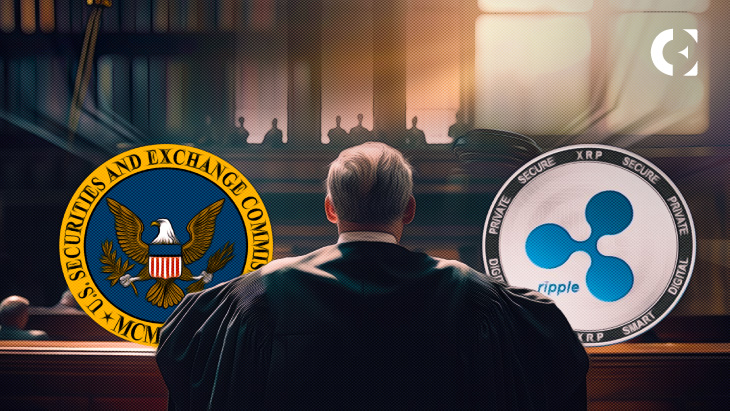

Overview of the SEC vs. Ripple Case
The legal battle between the U.S. Securities and Exchange Commission (SEC) and Ripple Labs commenced in December 2020. The SEC initiated the lawsuit, alleging that Ripple’s sales of the cryptocurrency XRP constituted the offering of unregistered securities. According to the SEC, Ripple had raised over $1.3 billion through these sales, which violated securities laws intended to protect investors. This assertion led to significant scrutiny of the cryptocurrency market, particularly regarding the classification of digital assets as securities or commodities.
The case’s significance extends beyond Ripple itself, as it has the potential to establish precedents that may influence regulatory practices concerning cryptocurrencies. Ripple argued against the SEC’s claims by maintaining that XRP is a digital currency rather than a security. This dispute over the classification of XRP has larger ramifications for the entire cryptocurrency ecosystem, as many other projects could face similar regulatory challenges depending on the court’s decision.
Pivotal moments in the proceedings included Ripple’s efforts to attain documents related to the SEC’s internal deliberations about the status of cryptocurrencies, which were deemed essential for supporting its defense. In addition, the case attracted the attention of numerous stakeholders in the cryptocurrency industry, including advocacy groups, legal experts, and investors, all closely monitoring developments. Notably, the involvement of amici curiae—friends of the court—underscored the broader interest in this landmark case. They provided insights on how the outcome could affect the regulatory landscape for numerous entities involved in crypto trading and innovation.
The case unfolded over several months, with discussions of motions, court rulings, and settlements creating a highly dynamic and evolving narrative. Each judicial decision brought the parties closer to either an amicable resolution or a protracted confrontation, shaping the future of Ripple Labs and the legal status of XRP in the U.S. financial regulatory framework.
Details of the Settlement Agreement
In a significant development following a lengthy legal battle, the United States Securities and Exchange Commission (SEC) has reached a settlement agreement with Ripple Labs. This agreement has various critical components that will influence the future operations of Ripple within the financial ecosystem. A pivotal element of this settlement is the imposition of a $125 million fine on Ripple Labs. This monetary penalty is designed to address the regulatory violations associated with the company’s previous activities regarding the sale of its cryptocurrency, XRP.
Furthermore, the settlement stipulates that Ripple Labs will halt any unregistered institutional sales of XRP. This prohibition is crucial as it aims to reinforce compliance with federal securities laws, ensuring that Ripple operates within the bounds of regulatory frameworks. By ceasing these sales, Ripple can mitigate the risk of future infractions while working towards building a more compliant operational model.
In addition to the financial penalty and sales restrictions, Ripple Labs is now required to adhere to specific regulatory obligations moving forward. These requirements may include enhanced disclosures and transparency regarding their cryptocurrency transactions. Such measures are intended to foster a more secure and regulated environment for cryptocurrency trading, both for the company and its investors.
The implications of this settlement agreement extend beyond immediate compliance; they signal Ripple’s commitment to operating within regulatory guidelines, fostering trust with investors and regulators alike. As the cryptocurrency landscape continues to evolve, the resolution of this case may serve as a reference point for other digital asset companies facing similar challenges. Ripple’s adaptive measures can potentially set a precedent for navigating regulatory scrutiny in the future.
Implications for the Cryptocurrency Industry
The recent conclusion of the SEC case against Ripple Labs has significant implications for the entire cryptocurrency sector. By classifying XRP sales in a specific manner, the ruling provides a framework that regulatory bodies might adopt when addressing similar digital assets. This case not only sheds light on XRP’s legal standing but also sets a precedent that could influence future regulatory actions concerning other cryptocurrencies.
Moreover, the SEC’s decision may lead to the establishment of clearer regulations for cryptocurrencies. As the industry has experienced regulatory uncertainty, particularly concerning which assets are classified as securities, this ruling is likely to inspire confidence in other cryptocurrency projects seeking financial growth and compliance. A more defined regulatory environment can facilitate innovation while ensuring investor protection, fostering a balanced approach to cryptocurrency development.
Investor confidence is paramount in the growth of the cryptocurrency market. With the conclusion of the SEC’s case against Ripple Labs, many investors may feel reassured about the legitimacy of their investments in XRP and similar digital currencies. As regulatory clarity improves, it is plausible that institutional investors, who have previously been hesitant due to ambiguity surrounding legal frameworks, may be encouraged to participate more actively in the cryptocurrency space.
Industry experts emphasize that the settlemenlike this one can serve as a roadmap for other companies facing regulatory inquiries. It may spur more cooperative dialogue between cryptocurrency firms and regulators, helping to shape a mutually beneficial relationship. As the cryptocurrency industry continues to evolve, remaining aware of regulatory developments and their implications is crucial for stakeholders aiming for sustainable growth.
Looking Ahead: The Future of XRP and Ripple Labs
The resolution of the SEC case against Ripple Labs brings forth a pivotal moment for the company and its digital asset, XRP. With the legal uncertainties that have clouded Ripple’s operations now addressed, Ripple Labs is positioned to expand its engagement within the blockchain and cryptocurrency industries. Notably, the conclusion of this case could foster a more conducive environment for forming new partnerships, enhancing XRP’s adoption across various payment platforms and financial institutions. Furthermore, Ripple’s recent experiences may guide its strategic initiatives to further integrate its technologies into existing financial systems.
As Ripple Labs progresses, navigating through the regulatory landscape will remain a critical consideration. The company will likely focus on fostering collaborations with regulatory bodies to establish clear guidelines for its operations, ensuring compliance while promoting XRP’s utility in real-world applications. This proactive approach to regulatory engagement might set a precedent for how other companies in the cryptocurrency sector can effectively operate within legal frameworks, thus potentially reducing operational risks associated with future litigation.
Market reactions from investors and industry stakeholders are likely to be varied but may lean towards optimism, primarily due to the clarity provided by the settlement. Many investors may view Ripple’s renewed ability to operate without legal constraints as a green light for growth and expansion, leading to an increased demand for XRP. However, skepticism may persist, especially regarding how Ripple intends to manage its compliance and operational strategies going forward.
Finally, a broader consideration is whether the SEC might redirect its scrutiny towards other cryptocurrency projects in light of this settlement. As the regulatory environment continues to evolve, it will be crucial for all stakeholders, including competing cryptocurrencies, to observe how Ripple navigates its post-settlement landscape and what it might signal for the wider digital asset ecosystem.