
The Announcement: Breaking New Ground for Bitcoin
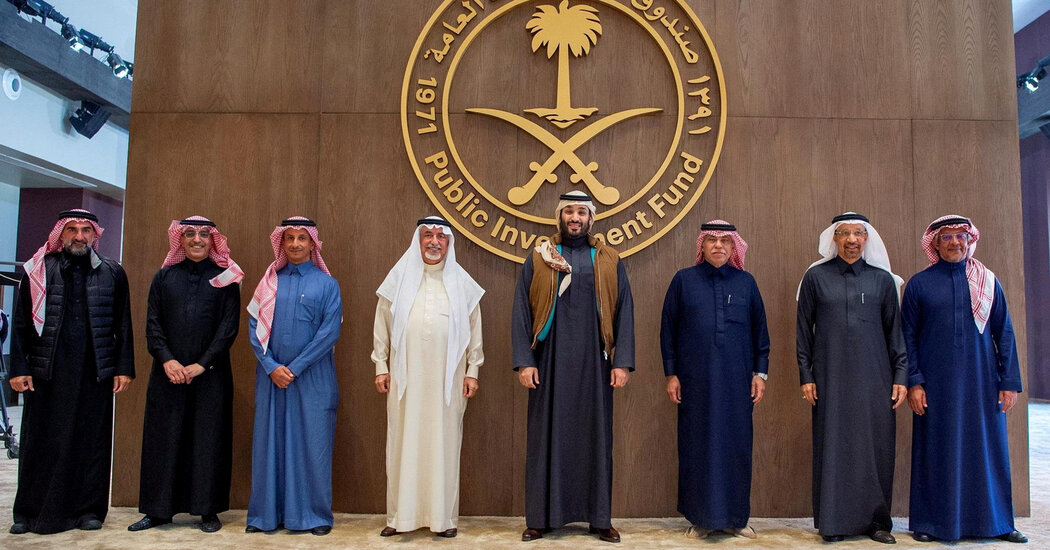
On August 27, 2025, the Saudi Public Investment Fund (PIF) made a historic announcement regarding its intention to allocate 1.5% of its assets to bitcoin. This decision marks a significant milestone in the integration of digital assets into the portfolios of sovereign wealth funds, reflecting an increasing trend among state entities to embrace cryptocurrencies as legitimate investment vehicles. The PIF’s announcement, part of its quarterly report, not only includes the specific investment amount—which is estimated to be around $1 billion—but also emphasizes the strategic importance of diversifying its investment portfolio beyond traditional assets.
This allocation is particularly noteworthy as it positions Saudi Arabia among prominent advocates for bitcoin adoption, akin to earlier endorsements by countries such as El Salvador, which became the first nation to officially adopt bitcoin as legal tender, and by corporations like MicroStrategy, renowned for their substantial cryptocurrency holdings. The PIF’s move is perceived as a significant endorsement of bitcoin, suggesting a growing acceptance of the cryptocurrency on a global scale and indicating potential influences on market sentiments regarding digital currencies going forward.
In the immediate wake of the announcement, bitcoin experienced a surge in price, reflecting positive market reactions to the investment news. Analysts suggest that the PIF’s endorsement may lend legitimacy to bitcoin, potentially drawing interest from other institutional investors. The ramifications of this decision extend beyond Saudi Arabia’s borders, likely inspiring similar initiatives by other sovereign funds and financial institutions around the globe. Overall, PIF’s strategic engagement with bitcoin not only reaffirms the cryptocurrency’s potential but also highlights a critical moment in the ongoing evolution of digital asset acceptance at the governmental level.
Strategic Rationale Behind the Investment
The Public Investment Fund (PIF) of Saudi Arabia has made a landmark decision by allocating 1.5% of its portfolio to Bitcoin, reflecting a significant strategic rationale tied to the nation’s Vision 2030 plan. This initiative underscores Saudi Arabia’s ambition to diversify its economy, moving away from its historical dependency on oil revenues. By investing in digital assets like Bitcoin, the PIF seeks to position the kingdom as a key player in the emerging financial landscape, which is characterized by rapid technological advancements and shifting investment paradigms.
One of the primary motivations behind this investment is to create a robust hedge against macroeconomic uncertainties that have increasingly plagued global markets. The volatility observed in traditional asset classes underscores the necessity for diversification into non-correlated assets, including digital currencies. Bitcoin’s status as ‘digital gold’ amplifies its appeal, offering a potential store of value amidst currency fluctuations and geopolitical tensions. By integrating such assets into their investment strategy, the PIF aims to safeguard its portfolio against potential economic downturns, ensuring financial resilience for future generations.
PIF governor Yasir al-Rumayyan articulated a long-term vision, emphasizing that this strategic allocation is not merely a reaction to current market dynamics but is foundational in building a sustainable and resilient investment portfolio. The governor highlighted the importance of adapting to new financial trends and technologies, stating that embracing digital assets is essential for the Kingdom’s ambitions to play a pivotal role in the global economy. The PIF’s venture into Bitcoin embodies a deliberate step towards modernization and innovation, aligning with national goals while catering to the growing demand for diversified investment solutions.
Implications for the Global Financial Landscape
Saudi Arabia’s decision to allocate 1.5% of its sovereign wealth fund to Bitcoin represents a significant milestone that could reshape the global financial landscape. This strategic investment not only marks a pivotal moment for the Kingdom but also sends ripples throughout the financial ecosystem, particularly among sovereign wealth funds and institutional investors worldwide. As one of the leading economies in the Middle East, Saudi Arabia’s endorsement of digital assets signals a shift that may encourage other nations to reassess their policies regarding cryptocurrencies.
Financial analysts have characterized this allocation as a ‘watershed moment’ for Bitcoin and the broader digital assets market. Historically, many institutional investors have approached cryptocurrencies with caution, primarily due to regulatory uncertainties and market volatility. However, Saudi Arabia’s bold move could catalyze a shift in perceptions, prompting these entities to integrate Bitcoin into their portfolios. In turn, this could enhance Bitcoin’s legitimacy as an asset class, potentially elevating its status from a speculative investment to a mainstream financial asset.
Furthermore, the implications extend beyond mere investment strategies. A significant allocation to Bitcoin by such a prominent entity raises awareness and may influence regulatory frameworks globally. As more sovereign wealth funds explore digital assets, the market could experience increased liquidity and stability, resulting in a more favorable environment for cryptocurrency adoption. This paradigm shift may also inspire countries that lag in blockchain technology to accelerate their efforts in digital asset exploration and development, thereby fostering innovation in the fintech sector.
Overall, Saudi Arabia’s 1.5% Bitcoin allocation is poised to inspire a broader acceptance of cryptocurrencies and could significantly influence the investment strategies of institutional players. As the global financial community closely monitors this development, it is evident that Bitcoin’s role in the financial landscape may be undergoing a transformative phase.
Market Reactions and Future Trends
Following the Public Investment Fund’s (PIF) historic announcement of a 1.5% allocation to Bitcoin, the cryptocurrency market experienced immediate, significant reactions. Bitcoin’s price surged initially, reflecting heightened optimism among investors. This marked the most substantial spike in Bitcoin’s value for some time, embodying a response to the growing institutional acceptance of digital currencies. Analysts highlighted that the allocation by such a prominent sovereign wealth fund underscored Bitcoin’s increasing legitimacy as an asset class in traditional finance.
Market sentiment has largely tipped in favor of cryptocurrencies since the PIF’s announcement, with increased trading volumes and interest from institutional investors. The buying pressure generated not only uplifted Bitcoin prices but also positively impacted other digital assets. The broader market capitalization of cryptocurrencies swelled, signaling a renewed confidence among retail and institutional investors alike, who are now more inclined to explore opportunities in the digital asset space.
Looking ahead, experts predict that Saudi Arabia’s move could set a precedent for other nations and institutional players to follow suit. The allocation is seen as a potential catalyst for further mainstream adoption of Bitcoin, leading to integration within national portfolios and possibly inspiring regulatory frameworks tailored for digital assets. The long-term effects are expected to include an evolved perception of Bitcoin, transitioning from a speculative asset to a recognized vehicle for investment and wealth preservation.
This pivotal moment in cryptocurrency history may alter the traditional finance landscape, fostering a stronger relationship between established financial systems and digital assets. As the dust settles on this announcement, it remains evident that navigating the upcoming trends requires keeping a pulse on regulatory developments and market dynamics. The interplay between government actions and the cryptocurrency landscape will undoubtedly shape the future trajectory of Bitcoin and its peers.