
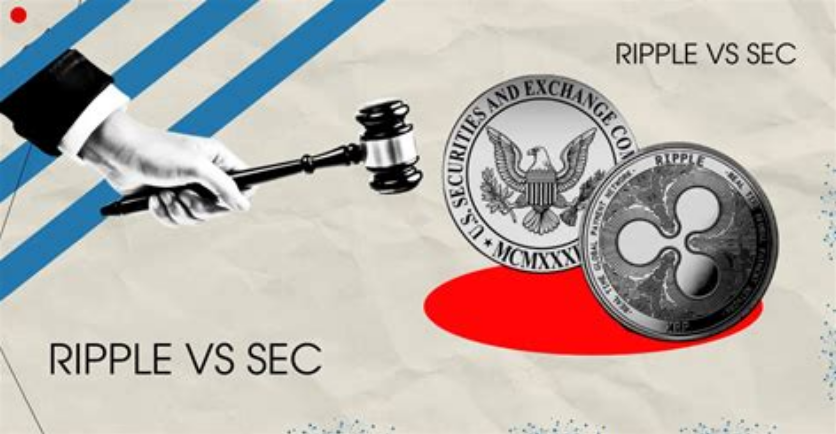

Overview of the Ripple and SEC Legal Battle
The legal confrontation between Ripple Labs and the U.S. Securities and Exchange Commission (SEC) began in December 2020, when the SEC filed a lawsuit accusing Ripple of conducting an unregistered securities offering through its sales of XRP, the digital asset created by Ripple. This case marked a significant moment in the regulatory landscape for cryptocurrencies, given XRP’s prominence in the market. The SEC’s allegations centered on the argument that XRP should be classified as a security, thereby placing it under the jurisdiction of federal securities laws. Ripple, on the other hand, contended that XRP functions more like a currency and should not be subjected to the same regulations as securities.
The lawsuit had immediate ramifications for Ripple and its operations. Following the announcement, many cryptocurrency exchanges halted trading of XRP or delisted it altogether, significantly impacting its market value. The legal battle became a focal point for discussions surrounding the regulatory framework for cryptocurrencies, as various stakeholders, including investors, exchanges, and other blockchain companies, closely observed the proceedings and their implications for the industry at large.
Throughout the litigation, a timeline of key events unfolded, demonstrating the escalating nature of the dispute. Ripple sought to demonstrate its compliance with the law and the cryptocurrency environment, highlighting the SEC’s inconsistent positions on similar digital assets. The case featured numerous court filings, expert testimonies, and legal arguments that underscored the complexities surrounding the classification of cryptocurrencies. The judge’s eventual decisions and the resolution of this matter will likely serve as a precedent affecting not just Ripple, but the entire cryptocurrency market.
Moreover, the outcome of this legal saga could influence future regulatory approaches, evaluate the status of other cryptocurrencies, and define the legal boundaries for digital asset operations. The Ripple-SEC case has become emblematic of the ongoing tension between innovative blockchain technologies and traditional regulatory frameworks.
The Final Resolution and Its Terms
The recent settlement between Ripple Labs Inc. and the Securities and Exchange Commission (SEC) marks a significant milestone in the ongoing legal saga that has captured the attention of the cryptocurrency community. The agreement culminated in a joint request by both parties to withdraw their respective appeals, signaling a mutual recognition of the need for resolution. This withdrawal suggests that Ripple is prepared to put this contentious chapter behind it, while the SEC may also be keen on avoiding further litigation costs and uncertainty.
One of the most critical aspects of this settlement pertains to the court’s ruling regarding the categorization of XRP, Ripple’s native digital asset. The decision indicates that XRP is not classified as a security when sold to retail investors, significantly impacting investor confidence and the utility of XRP in the broader market. This ruling effectively clarifies the regulatory standing of XRP, allowing Ripple to navigate its business operations more freely and providing greater assurance to potential investors.
Moreover, the settlement has implications extending beyond immediate legal costs for both parties. By resolving the case, Ripple can allocate resources more efficiently towards business development and innovation without the burden of ongoing legal uncertainties. For the SEC, the resolution represents an opportunity to refocus its regulatory efforts on clearer guidelines for other digital assets, rather than entangling itself in extended litigation.
Furthermore, this clean break between Ripple and the SEC may set a precedent for future legal disputes within the cryptocurrency sector. It highlights the importance of negotiation and collaboration in reach viable settlements, potentially encouraging other firms to pursue amicable resolutions rather than drawn-out legal battles. Thus, the Ripple-SEC settlement not only resolves a pivotal case but also could influence the dynamics of regulatory engagements in the evolving landscape of digital currencies.
Impact on XRP and the Cryptocurrency Market
The legal resolution of the Ripple vs. SEC case has generated significant interest and discussion within the cryptocurrency community, particularly concerning the implications for XRP and the broader market. In the wake of the court’s decision, XRP has experienced a notable uptick in trading volume, which reflects a growing confidence among investors. This surge in trading activity can be attributed to the increasing clarity around XRP’s regulatory status, leading market participants to reassess its potential as an investment vehicle.
Market analysts have expressed optimistic views regarding XRP’s future prospects, suggesting that the court’s ruling may pave the way for increased institutional adoption. The legal outcome is perceived as a vital milestone that not only bolsters XRP’s legitimacy but also encourages broader trust in cryptocurrencies. Such developments are fostering a more favorable environment for related assets within the cryptocurrency market, enhancing the overall investor sentiment.
Moreover, the Ripple case serves as a critical reference point for regulatory frameworks governing digital assets. The resolution implies a clearer delineation between cryptocurrencies classified as securities and those that can operate freely. As other cryptocurrencies observe Ripple’s experiences with the SEC, it is anticipated that this clarity may prompt a harmonization of regulations across different jurisdictions, benefitting the crypto market as a whole.
Additionally, the case’s outcome emphasizes the importance of compliance and the need for cryptocurrency projects to actively engage with regulators. As a result, entities within the crypto ecosystem may adopt more proactive measures in ensuring adherence to legal standards, potentially mitigating the risks an enforcement action could pose on market dynamics. In conclusion, the legal saga surrounding Ripple not only impacts XRP but also bears significant implications for the future of cryptocurrency trading and regulatory practices globally.
Looking Forward: The Future of Cryptocurrency Regulation
The recent resolution in the Ripple vs. SEC case presents a pivotal moment for cryptocurrency regulation and its future trajectory. This legal development not only shapes the immediate landscape for XRP but may also serve as a benchmark for how other cryptocurrencies are treated under U.S. law. In the aftermath of this case, there is speculation about enhanced clarity in regulatory frameworks surrounding blockchain projects. The outcome suggests a need for clearer definitions of what constitutes a security, prompting many emerging blockchain initiatives to re-evaluate their structures and compliance strategies.
Experts believe that the Ripple case could inspire other cryptocurrency projects to proactively engage with regulatory bodies to secure legal clarity, rather than waiting for enforcement actions. This proactive approach may lead to a more harmonious relationship between cryptocurrency developers and regulators. Investors may gain confidence in projects that openly seek guidance, potentially invigorating the market overall. As the cryptocurrency space continues to evolve, the implications of this resolution could encourage regulatory agencies to draft more comprehensive guidelines that adapt to the nuances of digital assets.
Additionally, this case may set a precedent for future litigation involving the SEC and other cryptocurrencies. Industry commentators anticipate that a clearer legal framework will emerge, influencing not only enforcement actions but also legislative initiatives. As a result, we could witness a gradual shift towards a more tailored approach to regulation that acknowledges the unique characteristics of digital assets. While challenges remain, the Ripple case provides an optimistic outlook for those advocating for clarity and fairness in how cryptocurrencies are regulated, ultimately fostering a more stable ecosystem for innovation and investment.