
Understanding Historical Bull Cycles
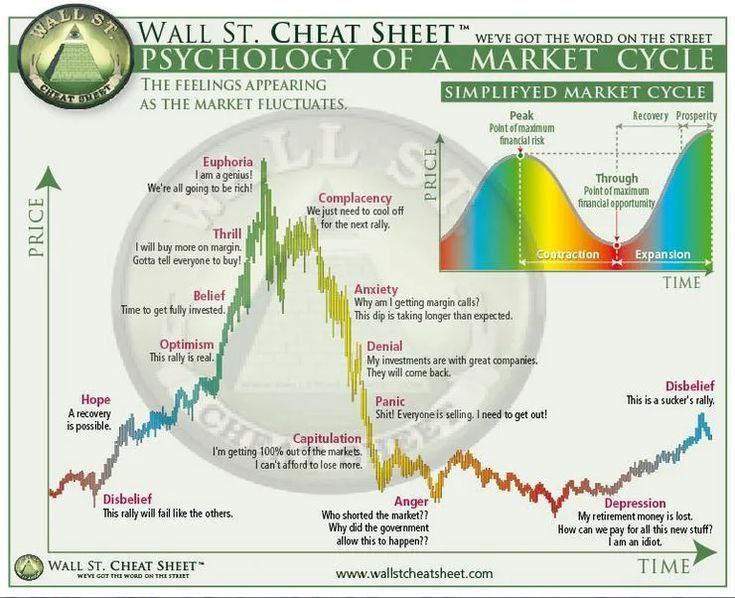
The cryptocurrency market has experienced several notable bull cycles since the inception of Bitcoin in 2009. Understanding these historical bull cycles is essential to contextualize current market dynamics and anticipate potential future movements. Typically, a bull cycle can be divided into four distinct phases: accumulation, early growth, explosive rally, and peak, followed by a correction phase.
During the accumulation phase, prices stabilize at a relatively low level after a previous bearish period. This stage, characterized by skepticism and low trading volumes, allows investors who recognize potential value to gradually enter the market. The early growth phase follows, marked by increased interest and normalization of price trends. As confidence builds, more buyers enter the market, driving prices upward.
The explosive rally phase is perhaps the most thrilling aspect of any bull cycle. In this stage, heightened media attention and public interest fuel a rapid surge in prices. Investors, fearing they might miss out, rush to buy in, which further escalates demand. This phase may see prices skyrocketing, often leading to the peak of the cycle. However, it is crucial to note that this peak is typically unsustainable as market sentiments shift from euphoria to apprehension, giving way to the correction phase.
Historically, the correction phase is where a pullback occurs, with prices declining from their peaks. It serves as a critical process for market maturity, as it reestablishes equilibrium and provides opportunities for new investors entering the accumulation phase. By examining these previous cycles, investors can better navigate the inherent volatility of the crypto landscape and make informed decisions based on historical patterns. Ultimately, recognizing the cyclical nature of the market can help identify potential points of interest for investment and trading strategies.
Current Market Indicators and Institutional Adoption
The crypto market has recently displayed significant signs of institutional adoption, particularly concerning major cryptocurrencies such as Bitcoin and Ethereum. Observing the current market indicators can provide essential insights into the evolving behaviors and sentiment of both retail and institutional investors. Notably, the increased interest from institutions is evidenced by a surge in the volume of Bitcoin and Ethereum transactions, reflecting a growing confidence in these digital assets.
One of the critical indicators of market sentiment is social media trends. Platforms like Twitter and Reddit have increasingly become barometers for evaluating the general sentiment surrounding cryptocurrencies. Enhanced discussions and increased follower counts for prominent crypto leaders and institutions are often predictive of market movements. The correlation between social media activity and price fluctuations indicates a fine balance where investor sentiment can greatly influence trading behaviors.
Google search volumes also serve as a vital indicator of interest in cryptocurrencies. A marked rise in search queries for Bitcoin, Ethereum, and related terms often precedes market upticks. This rising interest can often correlate with significant institutional investment decisions, as large entities tend to monitor public sentiment as a strategy to gauge potential market movements.
On-chain metrics, particularly whale movements, offer yet another layer of understanding regarding market dynamics. Whales, defined as individuals or entities holding large quantities of cryptocurrencies, often influence price trends through their trading behaviors. Monitoring the inflow and outflow of assets from exchanges allows analysts to anticipate larger market shifts, as significant transactions may indicate strategic positioning by these influential market participants.
Understanding these market indicators, including social media trends, Google search volumes, and whale activities, is crucial for navigating the current bull cycle in the crypto market. As institutional adoption grows, these metrics provide valuable insights into investor sentiment and potential future movements within the cryptocurrency landscape.
The Growth Stage: Opportunities and Risks
The growth stage of a bull cycle in the cryptocurrency market is characterized by an increase in trading volumes and heightened market activity. During this phase, investor sentiment tends to shift toward optimism, leading to opportunities for substantial returns. The price of several cryptocurrencies, particularly altcoins, often experiences dramatic rallies as they gain traction among retail and institutional investors alike. This is a period that typically witnesses the emergence of new projects and tokens, further invigorating the market landscape.
Amidst this burgeoning activity, it is crucial for investors to recognize both the opportunities and risks that accompany the growth phase. While the potential for profit is considerable, the volatility associated with cryptocurrency assets can pose significant dangers. Price pullbacks are common during this stage, often following significant rallies as traders lock in profits or market sentiment dips. This behavior can create a cycle of euphoria and subsequent correction, underscoring the unpredictability of crypto investments.
Moreover, the behavior of altcoins during this phase can differ markedly from established cryptocurrencies like Bitcoin and Ethereum. Altcoins often experience higher levels of volatility, leading to significant price fluctuations within short time frames. Investors should be aware of the distinct characteristics of the cryptocurrencies they are targeting, as some may not have the same level of market support or community backing as their more established counterparts. Therefore, conducting thorough research and analysis is essential before making investment decisions.
Risk management emerges as a strategic necessity in this dynamic environment. Implementing measures such as setting stop-loss orders, diversifying one’s portfolio, and maintaining realistic profit expectations can help mitigate potential losses. As the growth stage unfolds, navigating the opportunities and risks requires a informed approach that balances the allure of high returns with the inherent uncertainties of the crypto market.
Future Predictions and Key Factors to Monitor
As we navigate the current bull cycle in the crypto market, it becomes increasingly vital to look ahead and consider the potential shifts and movements that might affect investment strategies. Expert analysts suggest that Bitcoin’s market dominance will play a crucial role in the upcoming months. Historically, when Bitcoin maintains a strong dominance, it often signals a bullish trend across the entire market. Investors should closely monitor any changes in Bitcoin’s share of the total market capitalization, as spikes may indicate heightened interest and potential price rallies across alternative cryptocurrencies.
Equally important is the network activity of Ethereum, especially following the recent upgrades aimed at scalability and efficiency. These upgrades are expected to attract more decentralized applications and foster the growth of the decentralized finance (DeFi) sector. A surge in Ethereum’s network activity not only suggests increasing user engagement but could also lead to upward pressure on its price. Therefore, tracking transaction volumes and active addresses on the Ethereum blockchain will provide insights into its market health and growth potential.
Furthermore, emerging sectors such as AI-driven projects should not be overlooked. As artificial intelligence becomes more integrated within blockchain technologies, it is poised to redefine various industries and could present lucrative investment opportunities. Investors should remain aware of new projects that leverage AI capabilities, as their adoption may drive significant market momentum. Additionally, upgrades and improvements in the DeFi space should be diligently observed, as they can impact liquidity and overall market sentiment.
An understanding of these factors, alongside maintaining a long-term perspective, is essential for investors. The crypto market is inherently volatile, and while potential corrections may occur, staying informed and adaptable will be vital for navigating these fluctuations effectively. Keeping a pulse on Bitcoin’s performance, Ethereum’s activity, and emerging innovations will help in making well-informed investment decisions in the months ahead.