
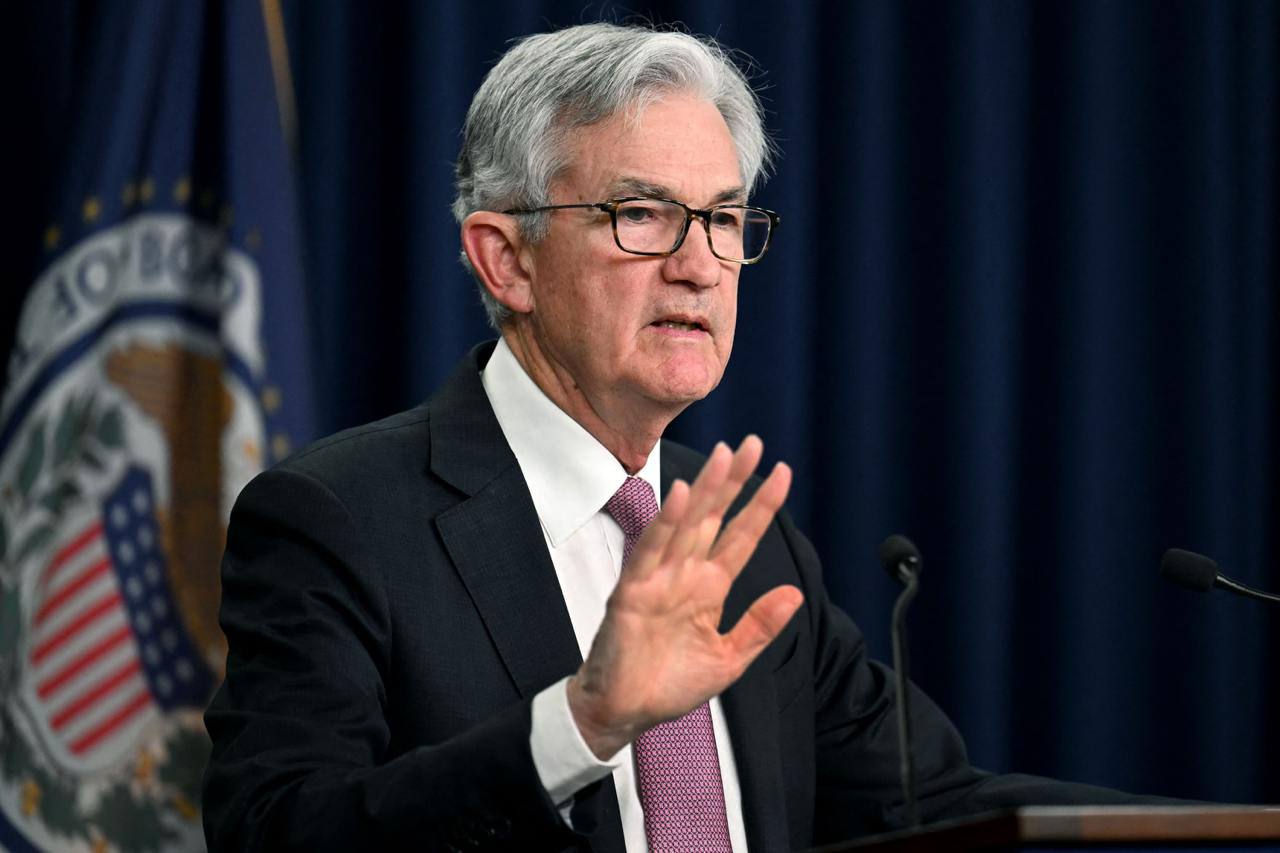
Overview of the Jackson Hole Symposium
The Jackson Hole Symposium, an annual gathering of central bankers, economists, and financial market participants, has become a cornerstone event in the realm of global economic discourse. Since its inception in 1978, the symposium has evolved into a prestigious platform for discussing pressing monetary policy issues and sharing insights on economic challenges. Held in the scenic backdrop of Jackson Hole, Wyoming, this event attracts key figures from around the world, including the Federal Reserve Chairman, who typically plays a central role in delivering a significant address that can influence markets and policy direction.
Historically, the symposium has served as an opportunity for the Federal Reserve and other central banks to convey their views on monetary policy, inflation, employment, and growth. The discussions often reflect the prevailing economic climate and are instrumental in shaping market expectations. With topics ranging from monetary policy frameworks to macroeconomic trends, each symposium presents a chance to delve into critical economic themes and to assess the effectiveness of current strategies. As a result, the insights shared during these gatherings are closely monitored by investors and analysts alike, who seek to deduce potential shifts in monetary policy or economic outlooks.
This year, the focus of the Jackson Hole Symposium is particularly significant, as it aims to conduct a thorough review of the Federal Reserve’s monetary policy framework. This exploration is expected to have considerable ramifications for future policy decisions and market dynamics. By reevaluating existing strategies, the Fed may adapt its approach to better address evolving economic conditions. Overall, the symposium not only facilitates meaningful dialogue about economic policies but also helps set the tone for how central banks will navigate the complexities of the global economy in the coming years.
Current U.S. Economic Outlook
The current U.S. economic outlook presents a complex landscape characterized by various interrelated factors including inflation trends, labor market dynamics, and projected GDP growth. As of now, inflation rates have shown signs of stabilization, following a period of considerable volatility. Recent data indicates that inflationary pressures are gradually easing, though they remain above the Federal Reserve’s target rate, prompting ongoing scrutiny from economists and policymakers alike.
The labor market continues to demonstrate resilience despite these inflationary challenges. Unemployment rates have maintained a low trajectory, reflecting a robust demand for labor across multiple sectors. Job creation has been steady, with significant hiring reported in industries such as healthcare, technology, and hospitality. However, wage growth has not kept pace, which raises concerns about real purchasing power for consumers in the long term.
GDP growth projections for the upcoming quarter suggest a deceleration as economic indicators reflect caution among consumers and businesses. The anticipated growth, while positive, may be moderated by higher interest rates implemented by the Federal Reserve to combat inflation. Such monetary policy maneuvers aim to temper spending and investment to stabilize prices but could also weigh on economic expansion.
Additionally, global economic shifts further complicate the U.S. economic outlook. Factors such as geopolitical tensions, supply chain disruptions, and evolving trade relationships play pivotal roles in shaping the U.S. market dynamics. The interconnectedness of the global economy means that fluctuations in other major economies can have ripple effects on domestic growth and financial markets.
In conclusion, Chairman Jerome Powell’s forthcoming address at the Jackson Hole Symposium will likely delve into these complexities, offering insights intended to address how monetary policy will adapt in response to the evolving economic landscape. The careful assessment of these indicators is crucial for forming market sentiment and guiding investor expectations.
Monetary Policy Review and Implications
The Federal Reserve’s monetary policy framework serves as the backbone of its efforts to foster maximum employment and price stability. Recently, Jerome Powell emphasized that the primary objectives of the Fed remain unchanged, but the means to achieve these goals may need to evolve in response to fluctuating economic conditions. The tools typically employed by the Federal Reserve, including interest rate adjustments and quantitative easing, are under constant scrutiny to ensure their relevance and effectiveness in a rapidly changing economic environment.
Powell’s reassessment of the current monetary policy indicates a willingness to adapt strategies that may include preemptively addressing inflationary pressures while also considering the implications these changes may have for economic growth. For example, transitioning to a tighter monetary policy may be necessary to contain inflation; however, doing so must be balanced against the risks of stifling economic recovery. This dual-purpose approach underscores the intricate dynamics that policymakers must navigate.
Moreover, Powell highlighted the necessity for transparency in monetary policy to guide the expectations of investors and borrowers alike. Clarity around interest rate projections and potential adjustments gives market participants an essential framework for decision-making. Thus, investors should pay close attention to the Fed’s ongoing communications regarding any shifts in its approach, as these signals will significantly influence market conditions and behaviors.
In essence, Powell’s insights into the Federal Reserve’s long-term vision illustrate a commitment to maintaining economic stability while addressing the unpredictable nature of global financial markets. Analysts will be particularly focused on the practical implications of these policy reviews, especially in how they affect investment strategies and the lending landscape for businesses and consumers. The evolving nature of economic challenges will necessitate ongoing scrutiny of the Fed’s tactics to ensure they remain effective moving forward.
Market Reactions and Future Projections
Jerome Powell’s address at the Jackson Hole Symposium is often viewed as a pivotal moment for financial markets, as it provides insights into the Federal Reserve’s monetary policy stance. The market reactions following such speeches can be immediate and significant, influencing both short-term trading decisions and long-term investment strategies. Investors closely analyze Powell’s wording, tone, and the nuances of his message, as even subtle changes can alter perceptions of future interest rate movements and economic outlook.
In the days following Powell’s speech, market participants typically adjust their portfolios based on perceived shifts in the Federal Reserve’s sentiment. If Powell conveys a more hawkish stance, indicating a likelihood of tighter monetary policy, stock prices may react negatively while bond yields rise. Conversely, a dovish tone suggesting continued accommodative measures can lead to equity market rallies and compress bond yields. The interconnectedness of equities, fixed income, and commodities further amplifies these market reactions.
Moreover, the anticipation surrounding Powell’s comments reflects broader economic themes, such as inflationary pressures, labor market conditions, and global economic developments. Investors often look back at historical patterns and lessons learned from previous Federal Reserve decisions, recognizing how certain central bank communications have shaped past financial landscapes. For example, prior frameworks have shown how premature tightening can dampen economic growth, while prolonged stimulus can inflate asset bubbles.
As markets assimilate Powell’s insights, strategic priorities may emerge, focused on sectors that are most sensitive to interest rate changes. The emphasis on adjusting investment approaches in light of Powell’s statements underscores the critical importance of his role in guiding market expectations and shaping economic policy. Ultimately, stakeholders will continue to monitor the implications of his address closely, as it will significantly influence the direction of U.S. economic development in the coming months and years.