

Introduction to the Meeting
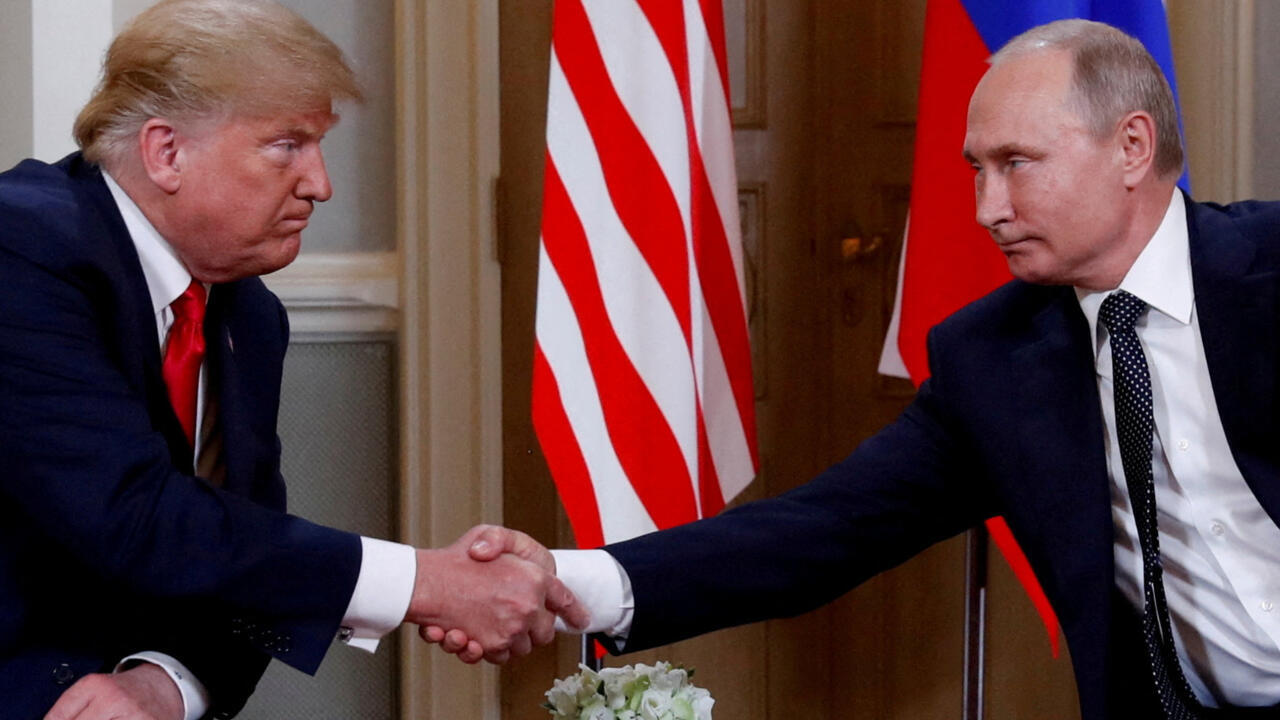
The scheduled meeting between U.S. President Donald Trump and Russian President Vladimir Putin on August 15, 2025, in Alaska marks a pivotal moment in international relations, particularly regarding the ongoing conflict in Ukraine. As the first bilateral talks between these two leaders since 2019, this meeting holds significant implications for the diplomatic landscape and efforts to achieve stability in the region. The historical context cannot be understated, as it will also be the first meeting on U.S. soil since 1988, accentuating its potential impact on U.S.-Russia relations.
Both leaders approach this meeting during a time of heightened tensions stemming from the continued unrest in Ukraine and broader geopolitical challenges. The discussions are expected to focus on finding common ground and addressing the urgent need for de-escalation. Historically, meetings of this nature serve as critical platforms for leaders to exchange views, negotiate terms, and potentially set the stage for future cooperation or conflict resolution. Therefore, the outcome of the discussions could influence not only bilateral relations but also the responses of other nations embroiled in global conflict.
This meeting is not merely a diplomatic formality; it signifies a potential shift in the dynamics of U.S.-Russia dialogue. With an evolving geopolitical landscape, stakeholders worldwide will be closely monitoring the results of these discussions in Alaska. The meeting presents both leaders with an opportunity to reassess their strategies and explore possibilities for collaboration in various areas, including security, economic ties, and conflict resolution.
Ultimately, the significance of this meeting extends beyond the immediate subjects at hand. It represents a moment of potential reconciliation and a chance to reset diplomatic relations that have been strained over the years. As both leaders gather in Alaska, the world watches closely, hoping for a breakthrough that could contribute to long-term peace and stability.
Context of the Ukraine Conflict
The Ukraine conflict, which has persisted since 2014, finds its origins in a complex interplay of historical, political, and social factors. It began with Ukraine’s Euromaidan protests that advocated for closer ties with the European Union, which subsequently led to the ousting of pro-Russian President Viktor Yanukovych. The instability that followed set the stage for Russia’s military intervention in Crimea and the subsequent annexation, an act widely condemned by the international community.
Central to this conflict are key players: the Ukrainian government, predominantly represented by President Volodymyr Zelensky, and the Russian Federation, led by President Vladimir Putin. Zelensky’s administration emphasizes the importance of preserving Ukraine’s territorial integrity, asserting that the annexation of Crimea and the conflict in Eastern Ukraine, fueled by Russian-backed separatists, violate international law. Ukraine’s aim has been to maintain sovereignty while seeking support from Western allies, including NATO and the European Union, to counter Russian aggression.
The impact of the Ukraine conflict extends beyond its borders, influencing global geopolitics and international relations. The Western sanctions imposed on Russia following its actions in Ukraine have strained economic ties, while the ongoing military unrest continues to generate humanitarian crises and displace millions of Ukrainians. The conflict also embodies a broader struggle between Western democratic ideals and authoritarian tendencies represented by Russia, shaping the discourse surrounding NATO’s role and its eastern expansion.
As the conflict evolved, Russia’s role has remained pivotal. Its perceived interest in re-establishing influence over former Soviet states feeds into broader anxieties about regional security. Understanding these historical and political nuances is essential for grasping the implications of discussions between international leaders regarding the Ukraine conflict, as seen in the recent meeting between Trump and Putin.
Key Agenda Items for Discussion
The anticipated meeting between former U.S. President Donald Trump and Russian President Vladimir Putin is set against the backdrop of heightened tensions due to the ongoing conflict in Ukraine. Several key agenda items are expected to dominate the discussions, notably the establishment of a ceasefire, an evaluation of the repercussions of existing sanctions on Russia, and the exploration of potential territorial agreements. These discussions will not only focus on immediate resolutions but also seek to understand the broader implications for both nations and the global community.
First and foremost, achieving a ceasefire in Ukraine is likely to be a primary focus. Both leaders recognize that prolonged hostilities could have catastrophic consequences, not only for Ukraine itself but for regional stability and security. A commitment to peace talks could pave the way for restoring diplomatic relations and easing military confrontations. It remains to be seen how each leader will navigate their respective domestic pressures while advocating for a cessation of hostilities.
Another critical item on the agenda is the impact of sanctions that have been levied against Russia. With the international community largely unified in its condemnation of Russia’s actions, examining the economic ramifications that these sanctions fuel will be essential. Trump may bring a different perspective, with an emphasis on negotiations that could lead to a reduction or modification of these penalties. This aspect of the meeting could significantly influence Russia’s economic health and its willingness to engage constructively in discussions.
Finally, the potential for territorial agreements will certainly be a contentious point. Despite Ukrainian President Volodymyr Zelensky’s robust opposition to any land concessions, both Trump and Putin may explore possibilities around territorial adjustments. This exploration will serve to reflect each leader’s positional interests while considering the long-term repercussions for their nations and global relations.
Reactions and Implications
The meeting between Donald Trump and Vladimir Putin in Alaska has elicited a spectrum of reactions from various stakeholders, reflecting the complexity of international relations, especially concerning the Ukraine conflict. Leaders from both the U.S. and Ukraine have expressed cautious optimism, hoping that the dialogue could pave the way for de-escalation and peace. However, skepticism prevails, particularly regarding Russia’s commitment to honoring any agreements made during their discussions.
International leaders around the globe have been closely monitoring the outcomes of this historic meeting. Some perceive an opportunity for the U.S. to re-engage with Russia in a constructive manner, potentially leading to renewed diplomatic efforts to resolve the situation in Ukraine. Conversely, others remain apprehensive, concerned that such interactions could embolden Russia’s aggressive policies rather than deter them. The balance of power in Eastern Europe hangs in the balance, with the possibility that the U.S.-Russia relationship may be recalibrated as a result of these discussions.
Political analysts have also weighed in, highlighting the potential implications for regional security. They suggest that the future of NATO’s presence in Eastern Europe could be influenced by the outcomes of this meeting. Should the dialogue yield positive results, it may foster a more cooperative approach among Western allies and counter Russian expansionism. Conversely, failure to achieve meaningful progress may lead to heightened tensions, prompting NATO to bolster its military readiness in response to perceived threats from Russia.
Citizens in both the U.S. and Ukraine are watching closely, with hopes for a lasting resolution to the conflict. However, public sentiment is mixed, as many remain skeptical about Russia’s true intentions. The broader geopolitical landscape is clearly at stake, with the potential ramifications of this meeting extending beyond bilateral relations into global stability. Thus, the world awaits further developments to understand the true significance of this historic engagement.