
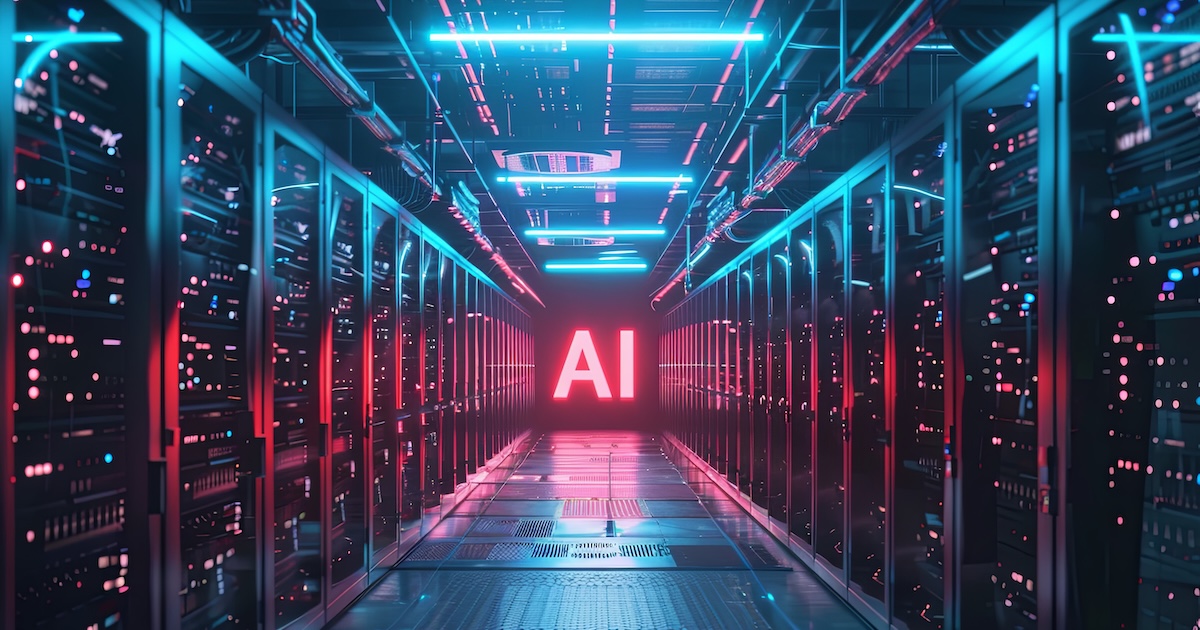

Overview of the Helios AI Data Center
The Helios AI Data Center represents a significant advancement in the field of artificial intelligence and high-performance computing through its substantial $1.4 billion funding secured by Galaxy Digital. This ambitious project aims to address the rapidly growing demands for AI training and inference capabilities, which are increasingly becoming critical in various sectors including technology, finance, and healthcare. With the exponential rise in AI applications, the need for robust infrastructure that supports vast data processing and computational power has never been greater.
Located in Texas, the Helios AI Data Center is strategically positioned to leverage the state’s favorable business climate and access to renewable energy sources, which is integral for sustainable operations. The facility is expected to utilize state-of-the-art technology designed to efficiently manage the vast amounts of data generated by AI models. This includes not only serving the needs of artificial intelligence but also encompasses high-performance computing requirements pertinent to blockchain operations, data analytics, and cloud computing solutions.
The objectives of the Helios AI Data Center extend beyond mere computation; it aims to foster innovation by creating an ecosystem conducive to cutting-edge research and development. By facilitating partnerships with various academic and industrial stakeholders, Galaxy Digital envisions the creation of a hub that not only meets current demands but also anticipates future trends in AI and blockchain technology. This ambitious undertaking is expected to significantly contribute to the scalability and accessibility of AI solutions, thereby playing a vital role in the technological advancements of the future.
Strategic Location and Infrastructure Advantages
The selection of Texas as the site for the Helios AI Data Center exemplifies a calculated decision by Galaxy Digital to leverage the state’s unique advantages in the fields of cryptocurrency mining and artificial intelligence computing. As a rapidly growing technology hub, Texas boasts a variety of resources that are indispensable for such high-performance operations.
One of the most significant advantages of Texas is its abundant supply of energy. The state is known for its vast energy resources, particularly in the realm of renewables, which are increasingly shaping the landscape of power consumption in the tech industry. The Helios data center aims to harness this potential by utilizing renewable energy sources, such as wind and solar power. This shift not only enhances the sustainability of operations but also helps reduce long-term operational costs.
The regulatory environment in Texas is another factor contributing to its appeal for tech firms. The state has established favorable regulations that are designed to encourage innovation and investment in sectors like cryptocurrency and artificial intelligence. This business-friendly climate fosters growth by attracting companies that are looking for an environment conducive to their expansion efforts.
Moreover, a thriving tech ecosystem facilitates collaboration and innovation. The presence of numerous research institutions, technology startups, and a skilled workforce signifies that Texas is equipped with the elements necessary for cutting-edge technological advancements. This interconnected web of expertise and resources creates additional synergies that can be beneficial for companies such as Galaxy Digital as they navigate the complexities of the digital landscape.
Finally, the infrastructure in place, including robust cooling systems tailored for high-density computing, further enhances the viability of establishing a data center in Texas. These cooling solutions will ensure that the facility operates efficiently while maintaining optimal performance levels, reinforcing Galaxy Digital’s commitment to sustainability and cost efficiency in its operations.
Convergence of AI and Blockchain Technologies
The Helios AI Data Center project represents a significant convergence of artificial intelligence (AI) and blockchain technologies, showcasing the innovative potential that arises when these two domains intersect. As Galaxy Digital aims to leverage this synergy, the project is envisioned as a catalyst for executing advanced AI-driven blockchain applications. These applications will ultimately enable a new era of decentralized intelligence systems that enhance data security and accessibility while ensuring efficient processing power.
AI has revolutionized various industries by providing sophisticated data analysis and predictive modeling capabilities. When coupled with blockchain, which guarantees transparency and immutability, this combination offers promising solutions for managing data-intensive tasks while mitigating risks associated with traditional centralized systems. The Helios facility aims to harness the computational capabilities of AI while relying on blockchain’s decentralized framework, thereby nurturing a more resilient technological ecosystem.
The development of data-intensive web3 projects is poised to benefit significantly from the Helios facility. As organizations increasingly shift towards decentralized models, the demand for robust infrastructures capable of supporting complex algorithms and data storage continues to grow. This is where the Helios Data Center can play a pivotal role; it will provide the necessary infrastructure to facilitate large-scale AI computations, ultimately enhancing the functionalities of decentralized applications (dApps).
Furthermore, Galaxy Digital’s strategic investment in the Helios project reflects its commitment to carving a niche in an ever-evolving tech landscape. By integrating AI with blockchain technology, Galaxy aims to pioneer advancements that will shape the future of decentralized systems, potentially establishing a competitive advantage in the race for innovation. The outcome of this convergence will not only influence how information is processed but also redefine user experiences across various sectors that depend on both AI and blockchain solutions.
Timeline, Job Creation, and Future Impact
The Helios AI Data Center project, under the auspices of Galaxy Digital, has set an ambitious timeline targeting a start date for construction in early 2024. Following this initiation phase, the facility is expected to progress through various operational stages with the aim of commencing full operations by late 2025. This timeline reflects the strategic planning involved and the urgency associated with expanding capabilities in the rapidly evolving fields of AI and blockchain technology.
Employment generation stands as one of the most significant byproducts of the Helios project. Projections indicate that the facility will create over 500 new jobs, spanning a diverse range of roles from technical positions to administrative support. This job creation is poised to invigorate the local economy, offering opportunities for skilled workers in sectors critical to the future of technology. The presence of the data center is likely to attract talent and investment, thus enhancing the overall labor market in the region.
Additionally, the implications of this substantial investment extend beyond local job creation. The Helios AI Data Center is strategically positioned to fortify advancements in AI and blockchain technologies. As these sectors are increasingly becoming interwoven with everyday applications, the Texas data center is well-equipped to support the burgeoning demand for computational resources and data storage. This facility not only represents a significant milestone for Galaxy Digital but can also catalyze further growth and innovation throughout the tech landscape.
Overall, the Helios project underscores the commitment to fostering technological progress and economic stability in the region. Its long-term impacts are expected to reverberate through the technological ecosystem, adapting to and potentially leading the way in AI and blockchain advancements.