
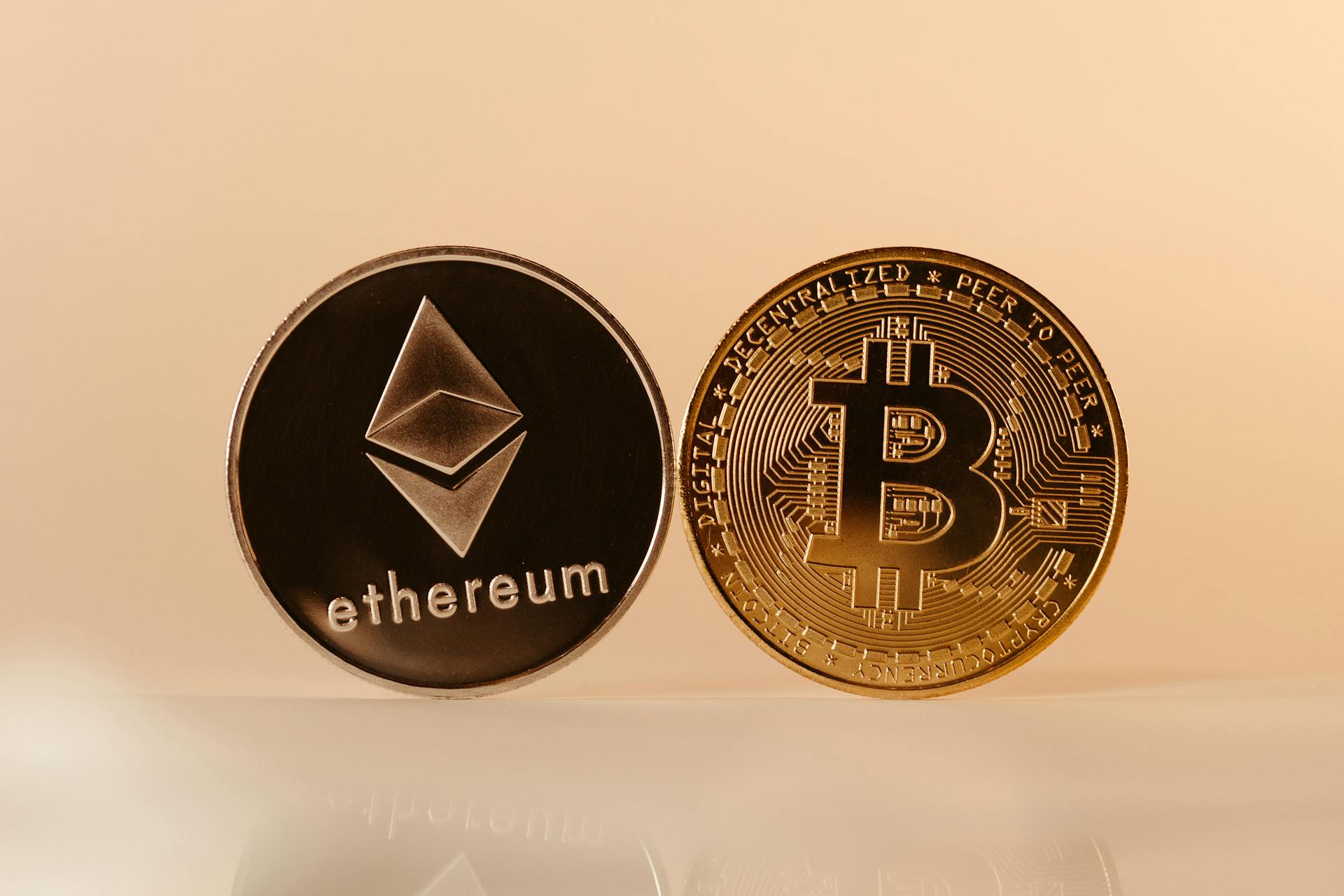
Introduction to the Cryptocurrency Landscape
The cryptocurrency market has garnered significant global attention, especially as it represents a new frontier in finance and digital assets. Among the multitude of cryptocurrencies, Bitcoin and Ethereum stand out as the most prominent players, both in terms of market capitalization and influence. Bitcoin was introduced in 2009 by an anonymous entity known as Satoshi Nakamoto, emerging as the first decentralized digital currency. Its limited supply, capped at 21 million coins, contributed to its position as a store of value, often being referred to as “digital gold.” As the initial cryptocurrency, Bitcoin has set the stage for various blockchain technologies and asset classes that followed.
Ethereum, launched in 2015 by Vitalik Buterin and his team, introduced more than just a digital currency. It brought forth a platform that enables developers to create and deploy smart contracts and decentralized applications (dApps). This functionality allowed Ethereum to carve out a niche distinct from Bitcoin, attracting a diverse array of projects and investment opportunities. Over the years, both cryptocurrencies have witnessed substantial growth, marked by dramatic price fluctuations and surges in public and institutional interest.
The market capitalization of Bitcoin and Ethereum reflects their dominance in the space, with Bitcoin historically commanding the largest share. However, Ethereum’s network effects and innovative capabilities have begun to position it as a formidable competitor. The critical transition to Ethereum 2.0, which aims to enhance scalability and reduce energy consumption through the introduction of a proof-of-stake mechanism, signifies not only a technological advancement but also signals growing institutional faith in its long-term viability. As Ethereum’s ecosystem expands, its adoption among developers and enterprises continues to escalate, raising questions about its potential to outpace Bitcoin in coming years.
JPMorgan’s Insights on Ethereum’s Growth
JPMorgan Chase & Co. has provided significant insights into the growth dynamics of Ethereum, highlighting its increasing market presence relative to Bitcoin. The bank’s analysis underscores the critical role that decentralized finance (DeFi) plays in Ethereum’s accelerated adoption. DeFi applications are revolutionizing traditional financial services, allowing users to lend, borrow, and trade assets without intermediaries. This disruptive potential of DeFi has enormously contributed to Ethereum’s growth, as it effectively builds a comprehensive financial ecosystem around the Ethereum blockchain.
Moreover, the rise of Non-Fungible Tokens (NFTs) has played a pivotal role in bringing mainstream attention to Ethereum. NFTs, which represent ownership of unique digital items, have surged in popularity, positioning Ethereum as the primary platform for NFT transactions. JPMorgan notes that the booming NFT market has led to increased transaction volumes on Ethereum, attracting both creators and investors to the ecosystem. Such developments have not only bolstered Ethereum’s market presence but have also diversified its application beyond mere cryptocurrencies.
The anticipated transition to Ethereum 2.0, which involves a shift from a proof-of-work to a proof-of-stake consensus mechanism, is another substantial growth driver according to JPMorgan’s forecasts. This upgrade is expected to enhance the network’s scalability and sustainability, addressing some of the existing limitations of Ethereum. By significantly improving energy efficiency and transaction throughput, Ethereum 2.0 is anticipated to boost user confidence while attracting institutional investors looking for long-term compatibility with sustainability goals.
In light of these factors, JPMorgan’s analysis suggests that Ethereum is strategically positioned to not only outpace Bitcoin in market growth but also redefine the landscape of digital assets. The combination of DeFi innovations, robust NFT activity, and the impending Ethereum 2.0 upgrade collectively create a favorable environment for Ethereum’s continued ascension within the cryptocurrency market.
Comparative Analysis: Ethereum vs. Bitcoin
The comparison between Ethereum and Bitcoin reveals critical differences in their use cases, transaction efficiencies, and underlying technological frameworks. Bitcoin, often referred to as digital gold, was primarily created as a decentralized currency aimed at providing a peer-to-peer electronic cash system. Its design emphasizes scarcity and security, limiting the total supply to 21 million coins. This scarcity contributes to its value proposition as a store of value, similar to traditional commodities such as gold. Bitcoin operates on a proof-of-work consensus mechanism, which, while robust in terms of security, has been criticized for its energy consumption and slower transaction speeds.
Conversely, Ethereum presents a more versatile platform, designed to facilitate smart contracts and decentralized applications (dApps). This flexibility allows developers to build and deploy a wide range of applications on the Ethereum blockchain, making it more than just a cryptocurrency. Ethereum’s use of the ERC-20 standard has also given rise to various tokens and initial coin offerings (ICOs), significantly contributing to its market position. Although initially based on a proof-of-work mechanism similar to Bitcoin, Ethereum is transitioning to a proof-of-stake system, which is expected to enhance transaction speeds and reduce environmental impact.
In terms of transaction efficiency, Ethereum typically allows for quicker confirmation times compared to Bitcoin, empowering users with a smoother experience. While Bitcoin transactions can take from 10 minutes to several hours depending on network congestion, Ethereum can often confirm transactions within seconds, making it more practical for everyday use and sophisticated applications. Additionally, the Ethereum network supports a myriad of tokens and projects, highlighting its adaptability and potential for ongoing growth. The contrasting characteristics of Bitcoin’s scarcity and Ethereum’s flexibility significantly shape their respective roles in the cryptocurrency ecosystem, influencing investor perception and market dynamics.
Future Outlook: The Path Ahead for Ethereum and Bitcoin
The future of Ethereum and Bitcoin is a topic that has garnered considerable attention within the cryptocurrency community and the broader financial services sector. As predicted by JPMorgan, the dynamics surrounding these two leading cryptocurrencies will continue to evolve, influencing investment strategies and market participation. Ethereum’s ongoing growth, coupled with its strong emphasis on smart contracts and decentralized applications, positions it as a crucial player in the blockchain space. However, this growth may not come without challenges. Issues such as scalability, transaction speed, and competition from emerging platforms could pose significant obstacles for Ethereum as it seeks to maintain its upward trajectory.
On the other hand, Bitcoin’s established credibility as a store of value could serve as a critical asset in its quest to remain relevant. Despite facing scrutiny regarding its environmental impact and regulatory challenges, Bitcoin has shown resilience through its intrinsic properties of decentralization and security. Furthermore, innovations such as the Lightning Network promise to enhance transaction capabilities, potentially addressing concerns associated with scalability. The adaptability of Bitcoin in response to market demands will likely play a pivotal role in defining its future.
For investors, these developments present unique prospects and risks. A deeper understanding of regulatory changes and their implications will be vital as more institutional players enter the market. Anticipating how these evolutions will affect both Ethereum and Bitcoin provides strategic insights that can guide investment decisions. The broader financial services industry should also prepare for the potential ramifications of these cryptocurrencies, as they could foster new models of value transfer and economic interaction. Overall, the landscape is set for transformation, and both Ethereum and Bitcoin will need to navigate these waters carefully to thrive in an increasingly complex environment.