
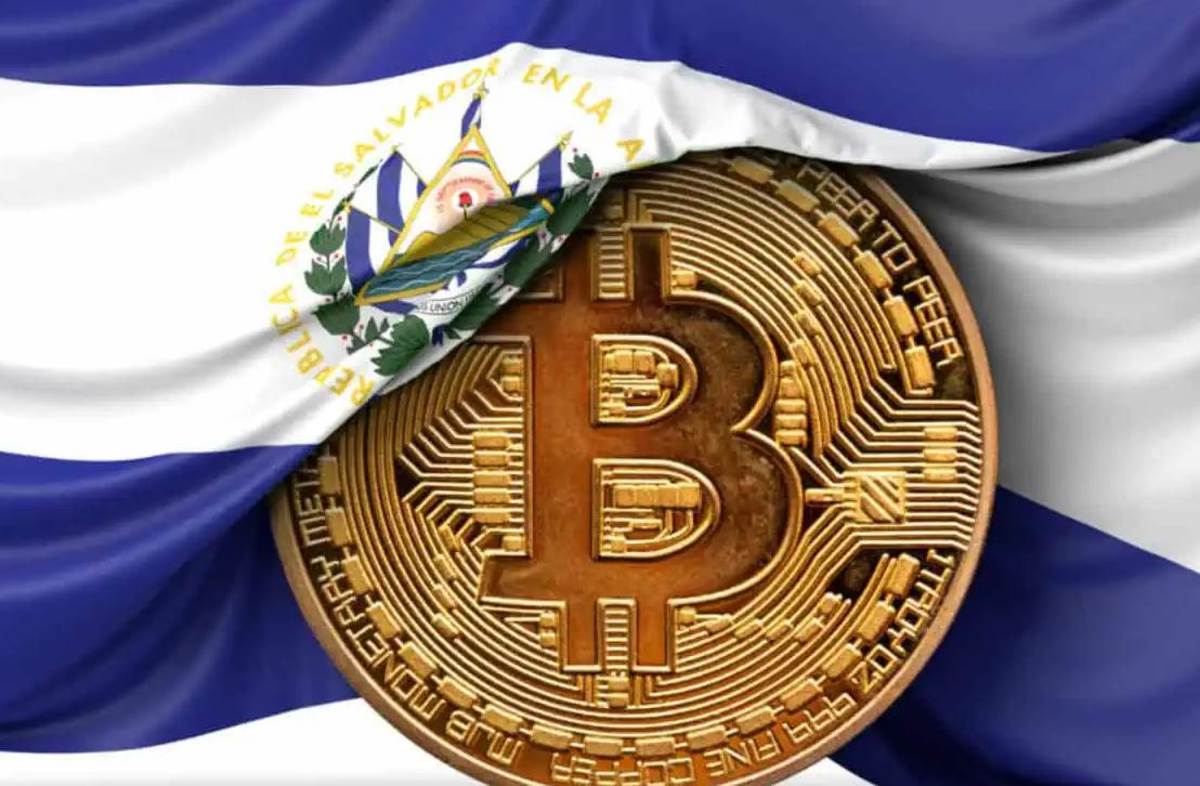

Introduction to El Salvador’s Bitcoin Initiative
El Salvador has positioned itself at the forefront of the cryptocurrency revolution through its innovative Bitcoin initiative, marking a significant chapter in its economic history. In June 2021, the Salvadoran government, led by President Nayib Bukele, made a historic decision to adopt Bitcoin as legal tender. This unprecedented move aimed to promote financial inclusion, attract foreign investment, and enhance remittance inflows, which constitute a substantial portion of the nation’s GDP. The decision was met with a mix of enthusiasm and skepticism, both domestically and internationally, raising questions about the stability and potential of cryptocurrency in the nation’s economy.
The groundwork for this initiative stemmed from El Salvador’s ongoing challenges related to traditional banking systems, where a significant percentage of the population remains unbanked. By embracing Bitcoin, the government sought to harness blockchain technology’s benefits, aiming to provide a more inclusive and resilient financial framework. This initiative aligns with a broader strategic goal of modernizing El Salvador’s economy and integrating it into the global digital economy, moving away from reliance on traditional fiat currencies.
In the wake of these developments, El Salvador has announced the establishment of the world’s first Bitcoin banks, entities that will operate under the legal framework supporting cryptocurrency transactions. These banks are expected to facilitate Bitcoin transactions, provide financial services, and educate the population on cryptocurrency usage. The significance of this venture cannot be overstated, as it serves as a critical experiment in digital currency adoption on a national scale. It has the potential to reshape how economies interact with cryptocurrencies, paving the way for similar initiatives in other nations.
Features and Services Offered by Bitcoin Banks
The upcoming bitcoin banks in El Salvador promise to revolutionize the way investors and customers engage with cryptocurrency by offering a unique range of features and services tailored to meet the diverse needs of the market. Initially, one of the most anticipated offerings will be bitcoin-based accounts that allow users to hold and transact in bitcoin seamlessly. This service is designed to function similarly to traditional bank accounts while providing the advantages inherent in cryptocurrency, such as enhanced security and autonomy in fund management.
Moreover, these bitcoin banks are expected to provide various lending options. Customers will have the ability to leverage their bitcoin holdings as collateral to obtain loans, potentially at lower interest rates compared to conventional banks. This innovative lending practice aims to increase financial inclusion by providing access to capital for those who may not have sufficient credit history or traditional assets. By utilizing bitcoin collateral, the process becomes more transparent and accessible, allowing individuals and businesses to secure funds more efficiently.
Investment opportunities will also be a key feature, with bitcoin banks likely offering investment products that allow customers to participate in the cryptocurrency market with greater safety and ease. Opportunities may range from bitcoin savings accounts with attractive interest rates to cryptocurrency investment portfolios. By facilitating these services, bitcoin banks will help demystify cryptocurrency for both seasoned investors and newcomers, fostering greater confidence in engaging with digital assets.
Furthermore, the integration of traditional banking infrastructure with the innovative offerings of bitcoin services will position these banks as frontrunners in the evolution of the financial system in El Salvador. With lower transaction fees and swift processing times characteristic of bitcoin, customers can enjoy a more cost-effective banking experience that aligns with the demands of the modern economy.
Potential Impact on El Salvador’s Economy and Financial Sector
The introduction of Bitcoin banks in El Salvador marks a pivotal moment for the nation’s economy and financial landscape. By embracing cryptocurrency in this manner, El Salvador is expected to attract significant foreign investment, boosting economic growth and diversifying its financial portfolio. The decision to allow the establishment of Bitcoin banks could lead to an influx of capital from international investors eager to tap into this innovative financial ecosystem. Such investments have the potential to create new jobs, stimulate local industries, and ultimately enhance the overall economic resilience of the country.
Furthermore, the establishment of Bitcoin banks may fortify the local financial sector by providing more comprehensive banking services tailored to the needs of an increasingly tech-savvy populace. This could result in increased competition among traditional banks, fostering innovation, driving down costs, and enhancing customer services. With a more sophisticated financial infrastructure, consumers and businesses alike could experience improved access to credit, enabling them to invest in growth opportunities that may not have been previously available.
Moreover, El Salvador’s bold move to pioneer Bitcoin banking could enhance its global reputation as a leader in financial innovation. It positions the country at the forefront of the cryptocurrency revolution, attracting attention from policymakers, entrepreneurs, and financial institutions worldwide. This enhanced global image may contribute to a more favorable business climate, encouraging further investment while also drawing in businesses seeking to operate within a progressive regulatory framework that supports cryptocurrency.
In essence, Bitcoin banks in El Salvador hold the potential to reshape the economic landscape, foster growth in the financial sector, and position the nation as a beacon of innovation in the global cryptocurrency arena. For local and international investors, this shift could present new opportunities while emphasizing the importance of adaptability in the evolving financial context. As El Salvador embarks on this transformative journey, the world watches closely, curious about the outcomes and economic shifts that may unfold.
Challenges and Considerations for the Bitcoin Banking Initiative
The establishment of Bitcoin banks in El Salvador represents a significant progression in the adoption of cryptocurrency; however, this initiative faces several challenges that must be meticulously addressed. One of the primary concerns is regulatory clarity. Governments and financial institutions around the world continue to grapple with the legal implications of cryptocurrencies, and El Salvador’s move may necessitate the creation of new legal frameworks and financial regulations. Ensuring that these regulations are clear, comprehensive, and flexible will be essential for fostering a conducive environment for Bitcoin banking and for promoting trust among users.
Another pressing issue is the need for robust security measures. The decentralized and digital nature of cryptocurrency makes it a target for cybercriminals. Hence, implementing secure banking practices and investing in cybersecurity solutions will be vital to protect customers’ funds and sensitive data. Furthermore, the banks must also address the potential for market volatility associated with Bitcoin, which can deter users who might be wary of using a cryptocurrency that frequently experiences significant value fluctuations.
International partnerships will also play a crucial role in the viability of Bitcoin banks. Collaborating with established financial institutions, technology providers, and regulatory bodies globally can enhance the credibility of Bitcoin banking initiatives. These partnerships could provide essential technological support, share best practices, and facilitate smooth operations across borders. Industry analysts have raised concerns about whether El Salvador can establish sufficient international relationships to ensure the sustainability and growth of its Bitcoin banking ecosystem.
In conclusion, while the establishment of Bitcoin banks in El Salvador presents a historic advancement in cryptocurrency adoption, potential challenges related to regulation, security, and international collaboration must be systematically addressed to realize the full potential of this ambitious initiative.