

Overview of the Constitutional Change
In a significant legal development, the Legislative Assembly of El Salvador has approved a constitutional amendment permitting indefinite presidential re-election. This alteration fundamentally shifts the nation’s political landscape, moving presidential terms from five years to six years while allowing subsequent re-elections without restrictions. The contentious amendment has stirred considerable debate among political analysts and citizens alike, particularly regarding its implications for the future of democracy in El Salvador.
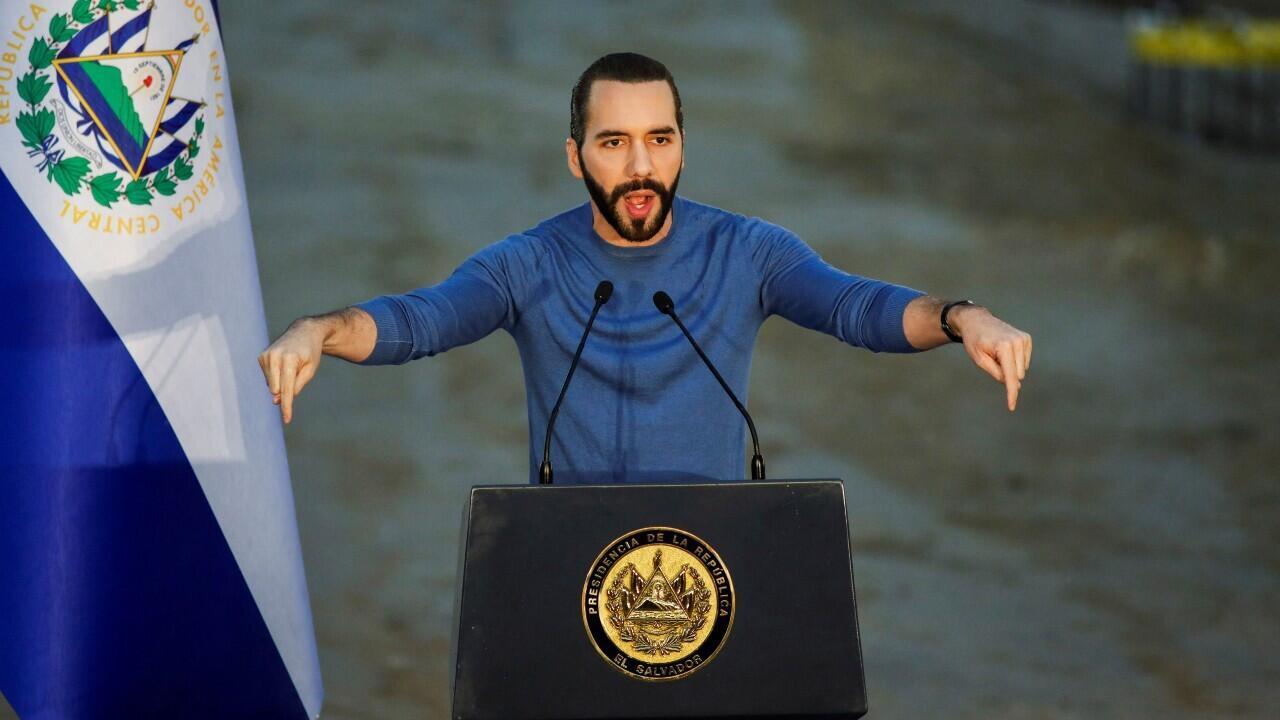
The primary driving force behind this amendment has been President Nayib Bukele and the Nuevas Ideas party, which secured a supermajority in the 2021 legislative elections. This political dominance has facilitated significant changes to existing laws, including judicial reforms and constitutional amendments, perceivably consolidating power within the executive branch. Observers have raised concerns over this accumulation of power, drawing comparisons to authoritarian regimes in the region. The ability of a sitting president to seek re-election indefinitely raises questions about the checks and balances within the Salvadoran political system and the potential erosion of democratic norms.
As a result of this legislative change, political analysts have begun to evaluate how such a shift might affect governance in El Salvador. Critics argue that the long-term implications include the suppression of opposition voices and a threat to civil liberties. Proponents, however, assert that this amendment allows for continuity in leadership, particularly in light of the ongoing challenges that the country faces, including corruption and public security threats. The historical context of frequent changes in leadership in El Salvador often led to instability, suggesting that a longer term for elected officials might enable more robust policymaking.
This constitutional change represents not only a critical moment for El Salvador’s governance but also a pivotal chapter in its ongoing struggle for democracy. The future trajectory of the country will largely depend on how this new framework is implemented and the response from the political opposition and civil society groups moving forward.
Supporters’ Arguments for the Reform
In the recent approval of indefinite presidential re-election in El Salvador, advocates for the reform, led by President Nayib Bukele, present several compelling arguments aimed at fostering political stability and enhancing governance continuity. Proponents assert that the ability to re-elect a president without constraints promotes a robust political landscape that can adapt to evolving challenges, particularly in socio-economic contexts. They emphasize that the electorate should have the sovereign right to determine the duration of their leaders’ terms, thereby enhancing democratic engagement and accountability.
Public opinion surveys reveal a significant approval rating for President Bukele, often surpassing 80%. This popularity is primarily attributed to his effective strategies in crime reduction, particularly in a country previously plagued by high levels of violence and gang influence. Supporters argue that Bukele’s firm stance against organized crime has led to a palpable decline in homicide rates, creating a safer environment for citizens and fostering a sense of national pride. This decrease in crime rates has invigorated the public’s faith in government, leading many to view his continued leadership favorably.
Additionally, his initiatives aimed at economic modernization, such as the promotion of Bitcoin as legal tender, have further strengthened his case among supporters. They argue that such progressive measures are essential for integrating El Salvador into the global economy, enhancing foreign investment, and creating job opportunities. Supporters maintain that a stable leadership, unencumbered by frequent electoral cycles, can implement and sustain long-term policies crucial for national development. They contend that if the populace supports their leaders, it is beneficial for continuity of governance, as it allows for comprehensive policy planning and execution without the distractions of impending elections.
Criticism and Concerns Over Democratic Erosion
In light of recent constitutional amendments in El Salvador allowing indefinite presidential re-election, significant criticism has emerged regarding the potential degradation of democratic institutions. Opposition parties, civil society organizations, and various international observers have voiced their concerns about the implications of such changes for democratic governance. The overarching fear is that these modifications are a precursor to the establishment of authoritarian rule, echoing historical patterns observed in several Latin American nations.
Critics argue that these reforms effectively eliminate vital checks and balances necessary for safeguarding democracy. The rule of law, accountability, and separation of powers serve as foundational elements of a functional democratic state. However, by enabling the president to remain in power indefinitely, these principles could be severely undermined, leading to a concentration of power that raises questions about the longevity of democratic practices in El Salvador. This situation is reminiscent of other countries in the region that have experienced political drift towards autocracy, such as Venezuela and Nicaragua, where leaders have taken similar steps to consolidate their power.
The implications extend beyond political mechanisms; they significantly affect human rights and press freedom. Concerns have been raised regarding the potential for increased repression against dissenting voices. Restrictions on media freedom and opposition parties could manifest as the ruling party seeks to maintain its grip on power, thus stifling public discourse. Reports indicate that civil society groups fear intensified government crackdowns on protests and advocacy efforts, further eroding the democratic fabric. The situation in El Salvador serves as a reminder of the delicate nature of democracy in the face of political ambition, highlighting the necessity for vigilance by both national and international stakeholders to ensure that human rights are upheld in the region.
International Reactions and Future Implications
The recent decision by the El Salvadoran government to allow indefinite presidential re-election has elicited a variety of international responses, raising concerns about the trajectory of democracy within the nation. The Organization of American States (OAS) has expressed significant apprehension regarding the implications of this legislative change, suggesting that it may signify a shift towards authoritarian governance. The OAS, as a regional entity committed to promoting democracy, has underscored the importance of institutional checks and balances to prevent the concentration of power, which this new law may inadvertently foster.
The U.S. State Department has also voiced concerns surrounding the potential erosion of democratic norms in El Salvador. Officials have indicated that such developments could impact the dynamics of foreign relations between El Salvador and the United States. Historically, the U.S. has provided substantial economic support and aid to the region, predicated on commitments to uphold democratic governance. Should the situation escalate, the U.S. may reassess its aid strategies, impacting not only immediate humanitarian assistance but also investments aimed at regional stability.
Moreover, President Nayib Bukele’s push towards cryptocurrency adoption, particularly through the incorporation of Bitcoin as legal tender, showcases an innovative yet contentious approach to economic growth. While proponents argue that this could inject fresh capital into the Salvadoran economy, skeptics warn that the volatility of cryptocurrencies may deter traditional investors. If Bukele’s administration is perceived as increasingly authoritarian, foreign investors may seek safer markets, adversely affecting El Salvador’s economic prospects and long-term development strategies.
As stakeholders monitor these emerging dynamics, the implications for international aid, foreign investment, and economic sustainability remain closely tied to the future governance framework in El Salvador. The coming months will be crucial in determining whether Bukele’s administration can strike a balance between innovative economic policies and the preservation of democratic principles.