
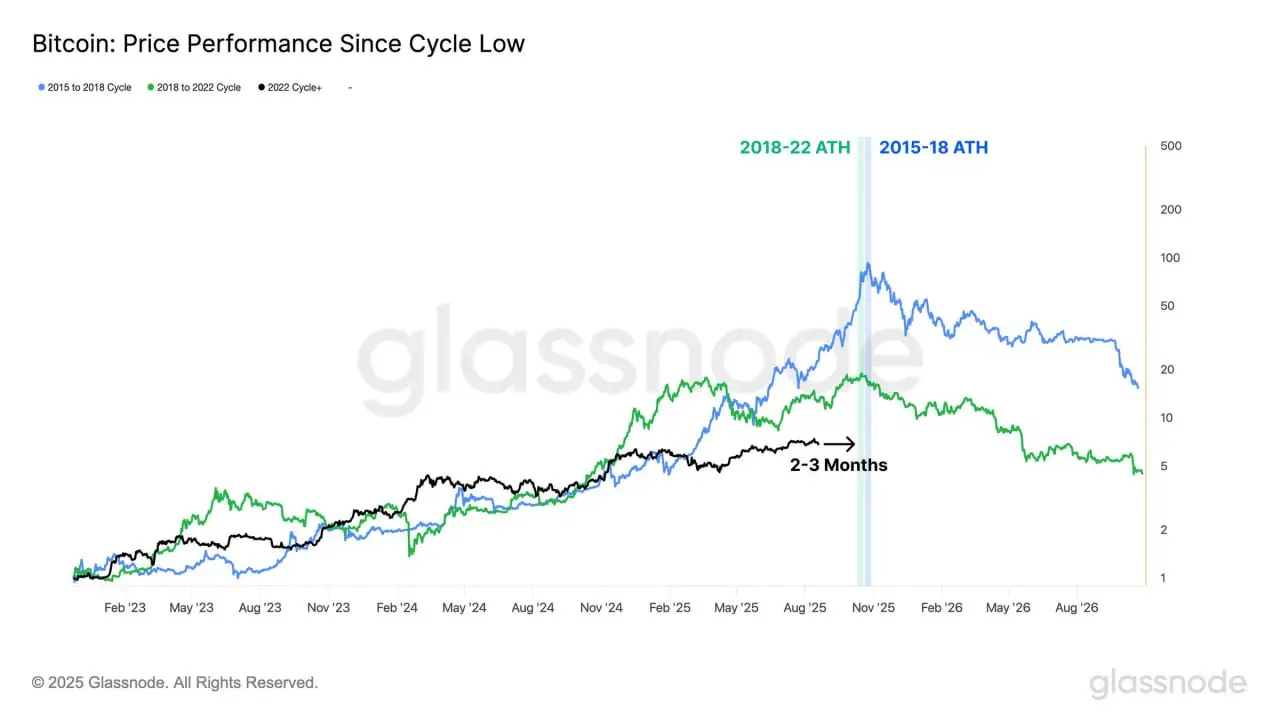
Understanding Bitcoin Cycles and Market Patterns
The cryptocurrency market, particularly Bitcoin, is known for its cyclical nature, characterized by distinct price movements that often follow historical patterns. These cycles typically consist of phases marked by rapid price escalations, peak trading activities, and subsequent corrections. Investors and traders have observed that Bitcoin frequently experiences dramatic upswings, where confidence in the asset surges, often driven by market speculation, technological advancements, or favorable regulatory news. This surge is often followed by a correction phase, where the price declines, either as a natural market adjustment or due to external economic forces.
Analyzing these cycles is crucial for both traders seeking short-term gains and investors focused on long-term wealth accumulation. Understanding the historical peaks and troughs can provide essential insights into market sentiment and trader behavior. For instance, during a price peak, trading volumes typically increase as more participants enter the market, fueled by optimism and the fear of missing out on potential profits. However, this heightened activity can lead to unsustainable valuations, resulting in abrupt pullbacks that affect even the most seasoned investors.
Moreover, Bitcoin price cycles are influenced by various macroeconomic conditions, including inflation rates, monetary policies, and global economic stability. Institutional investments also play a significant role, as large entities entering or exiting the market can cause substantial price fluctuations. These elements underscore the complexity of Bitcoin’s market dynamics, and recognition of these factors is essential for all market participants. In this context, understanding Bitcoin cycles not only enhances one’s ability to assess current market conditions but also allows for more informed decision-making in an ever-evolving landscape of digital assets.
Recent Profit-Taking and Speculative Activity
The recent trends in the Bitcoin market have showcased a notable increase in profit-taking and speculative activity, particularly as the cryptocurrency approaches the typical terminal phases of a bull market. Investors are exhibiting a heightened interest in taking advantage of substantial price movements, reminiscent of historical peaks in Bitcoin’s price cycles. This behavior highlights a blend of both strategic trading and psychological factors influencing market dynamics.
As Bitcoin ascends to new heights, many investors are drawn to the prospect of rapid gains, prompting a surge in speculative trading. This trend is particularly evident during climactic phases of market cycles, where the allure of profits can often overshadow the potential risks involved. Analyzing recent market behavior reveals that, in such periods, the balance between bullish sentiment and investor caution can significantly shift, leading to increased volatility.
Historical data indicates that these phases of heightened speculation frequently culminate in profit-taking behavior. Investors often opt to liquidate their positions once they have secured substantial returns. This reflects a common pattern where heightened price activities lead to risk assessments and strategic decision-making tailored to market conditions. Nevertheless, it is crucial to remember that while history may not replicate itself precisely, trends gleaned from past cycles can provide valuable insights for navigating the cryptocurrency landscape.
In this context, current market dynamics become relevant for risk management practices. Investors can leverage historical patterns to inform their strategies, striking a balance between seizing immediate profit opportunities and safeguarding capital against potential downturns. This analytical approach to recent profit-taking and speculative activity not only emphasizes the importance of historical context in the evolving Bitcoin landscape but also serves as a reminder of the continued unpredictability inherent in cryptocurrency trading.
Why Historical Context Matters
Understanding historical context is crucial for traders and investors navigating the volatile landscape of Bitcoin and cryptocurrency markets. Historical price cycles serve as essential reference points, offering invaluable insights into market behavior and momentum. Over time, Bitcoin has demonstrated distinct patterns, often characterized by periods of rapid price appreciation followed by significant corrections. By examining these historical cycles, individuals can better anticipate potential price movements and make informed trading decisions.
Historical data not only provides context for current market conditions but also exposes recurring trends that may influence future performance. For instance, previous peaks in the Bitcoin price have often been followed by notable declines, prompting traders to consider optimal entry and exit points. Awareness of these cycles allows investors to position themselves strategically, potentially maximizing gains and minimizing losses. Moreover, recognizing historical patterns enables market participants to distinguish between short-term volatility and long-term trends, fostering a more balanced approach to investing.
It is essential, however, to strike a balance between historical data and current market indicators. While past performance offers insights, it should not be interpreted as a guarantee of future results. Contemporary market dynamics, regulatory developments, and technological advancements can significantly impact Bitcoin prices, therefore, relying solely on historical context may lead to misguided decisions. A comprehensive outlook must incorporate both historical analysis and present conditions, ensuring that traders are well-equipped to navigate the complexities of the market.
In conclusion, embracing historical context is imperative for anyone involved in Bitcoin trading or investment. By leveraging historical cycles alongside current trends, individuals can enhance their understanding of market momentum, thereby making more informed decisions that align with their investment strategies.
Conclusion
In examining the insights derived from Glassnode’s analysis, it becomes evident that Bitcoin’s historical price cycles provide critical information for understanding current market dynamics. The analysis reveals notable patterns associated with past price peaks, which can serve as valuable indicators for investors navigating today’s volatile cryptocurrency landscape. Historical peaks in Bitcoin prices have often signaled shifts in market sentiment, pointing to potential opportunities or risks.
Moreover, connecting these historical patterns with contemporary data facilitates a well-rounded view of market conditions. Investors are encouraged to leverage past trends alongside real-time indicators to enhance their decision-making processes. This blend of historical analysis and current metrics is particularly vital in an environment characterized by speculative movements and potential profit-taking activities.
The cyclical nature of Bitcoin prices suggests that past performance may inform future outcomes, albeit with caution given the unpredictable nature of cryptocurrencies. By acknowledging these historical price behaviors, investors can better position themselves to anticipate market fluctuations and plan their strategies accordingly. Furthermore, understanding the psychological factors that drive market sentiment can aid in identifying potential entry and exit points, helping to minimize risks.
To summarize, Glassnode’s insights into Bitcoin’s historical peaks illuminate important trends that can be invaluable for investors. A balanced approach that incorporates both historical context and current data will likely enhance one’s ability to navigate the challenges posed by the cryptocurrency market. As the landscape evolves, remaining vigilant and informed will empower investors to make strategic decisions amidst the ever-changing tides of digital currency trading.