
The Jackson Hole Economic Symposium: A Key Event for Market Players
The Jackson Hole Economic Symposium has emerged as a pivotal event on the annual calendar for central bankers, economists, and market participants from around the globe. Traditionally held in late August in Jackson Hole, Wyoming, this symposium has been a platform for high-level discussions regarding monetary policy and economic theories since its inception in 1978. It serves not only as a stage for presenting research but also as an opportunity for participants to engage in dialogue about pressing economic issues, thus fostering a collaborative environment for policymaking.
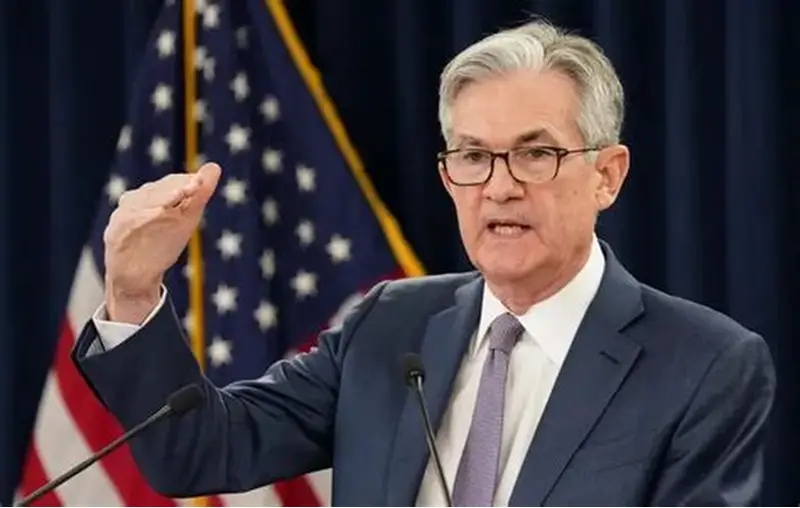
Jerome Powell’s presence at the Jackson Hole Economic Symposium adds a layer of anticipation to the event. His addresses have historically contained critical insights that provide investors and economists with clues regarding the Federal Reserve’s future actions concerning interest rates and inflation. Given Powell’s tenure and the challenges facing the economy, his upcoming speech is expected to be scrutinized closely, as it could impact market sentiment and investor decisions significantly. As the symposium approaches, all eyes will be on Powell, making this year’s event particularly noteworthy in the ever-evolving landscape of global economics.
Market Sentiment Ahead of Powell’s Speech
As the investment community prepares for Federal Reserve Chair Jerome Powell’s highly anticipated keynote address at the Jackson Hole Economic Symposium, market sentiment appears to be a mixture of cautious optimism and restrained anxiety. Traders are closely analyzing recent economic indicators, particularly inflation and employment data, as these statistics significantly influence expectations regarding future monetary policy adjustments. The prevailing sentiment suggests that many investors are hoping for signals indicating a potential shift towards interest rate cuts, particularly in light of fluctuating inflation rates that have not consistently aligned with the Fed’s targets.
The recent employment data, which showcased a robust labor market, has tempered some of the pessimism surrounding economic growth. However, the mixed signals from inflation trends have led to a sense of ambiguity about the Fed’s future actions. Many investors remain wary of whether Powell will address the possibility of easing monetary policy. This uncertainty manifests in varying trader behaviors, as some position themselves for potential rate cuts, while others exhibit hesitance in fully committing to bullish strategies. The latter group seems particularly influenced by the recognition that inflation, while showing signs of decline, may still deter the Fed from taking aggressive action anytime soon.
Moreover, the sentiment on Wall Street reflects a broader tension between optimism surrounding the economic recovery and the apprehension linked to the Fed’s potential move towards monetary tightening or continued cautious stance. This complex atmosphere leads to increased volatility in the markets, as traders navigate their positions in anticipation of Powell’s words. Overall, the upcoming address is expected to provide clarity, but until then, the sentiment remains cautiously optimistic, with an undercurrent of skepticism prevailing among investors in the lead-up to the event.
Anticipated Themes in Powell’s Address
As market observers eagerly await the discourse from Federal Reserve Chair Jerome Powell at Jackson Hole, several pivotal themes are anticipated to emerge in his address. A primary focus is expected to be the ongoing trends of inflation, which have been a topic of considerable scrutiny. Recent data reflecting price changes has highlighted the complexities surrounding inflation management, compelling Powell to discuss how these indicators influence monetary policy decisions. It is vital for investors and economists alike to understand the Fed’s perspective on inflationary pressures, as the central bank strives to maintain price stability while navigating fluctuating economic conditions.
In addition to inflation, Powell is likely to address various employment figures, which comprise a crucial component of the central bank’s dual mandate. With labor market dynamics continuously evolving, the implications of job growth, wage increases, and unemployment rates are significant in gauging the overall health of the economy. Powell’s insights on labor market strength will undoubtedly provide market participants with a clearer picture of potential challenges and opportunities on the horizon.
Furthermore, the broader economic outlook will take center stage in Powell’s remarks. The Fed must cautiously balance its efforts in supporting economic recovery with the necessity of controlling inflation. This balancing act is not only critical in maintaining stability but also in informing future monetary policy actions. Powell is expected to elaborate on how this delicate equilibrium shapes the Fed’s response to upcoming economic developments, including interest rate adjustments. By framing these considerations clearly, Powell will aim to provide guidance that could influence market sentiment and expectations, underscoring the importance of transparency and communication in monetary policy.
Potential Market Reactions: Scenarios to Watch For
As Federal Reserve Chair Jerome Powell prepares to address the gathering at Jackson Hole, various potential market reactions are anticipated, contingent upon the content and tone of his speech. Investors are particularly attuned to any hints regarding future monetary policy, such as signals of an interest rate cut or a steadfast commitment to the current stance. The implications of these scenarios are likely to reverberate across multiple sectors, including equities, fixed income, and commodities.
Should Powell indicate a willingness to lower interest rates, one might expect a bullish reaction in the stock market. Lower rates generally stimulate economic activity by making borrowing cheaper, which could lead to increased capital expenditure by businesses and consumer spending. In contrast, if Powell retains a more hawkish tone, signaling the continuation of current policies, equity markets may react negatively, as higher interest rates could dampen future growth prospects.
Meanwhile, the bond market could experience its own transformations depending on Powell’s remarks. A dovish outlook favoring rate cuts could lead to a decline in bond yields, as existing bonds with higher rates become more attractive. Conversely, indications of maintaining or increasing rates could push yields higher, resulting in a contraction in bond prices. This fluctuation in yields will undoubtedly influence investor strategies within the fixed income market.
Commodity markets are also susceptible to shifts in sentiment surrounding Powell’s address. For instance, should Powell discuss potential rate cuts, commodities such as gold could see increased demand as a hedge against inflation. On the flip side, a message of sustained interest rates may yield weaker performance in commodities, reflecting expectations of slower economic growth.
Analysts emphasize the importance of adaptability in response to market volatility anticipated from Powell’s address. Investors are encouraged to remain vigilant, leveraging diversified portfolios and considering risk management strategies to navigate the uncertain landscape. Ultimately, the speech at Jackson Hole represents a pivotal moment for the financial markets, and the interpretations of Powell’s words will shape investor behavior in the days and weeks that follow.