
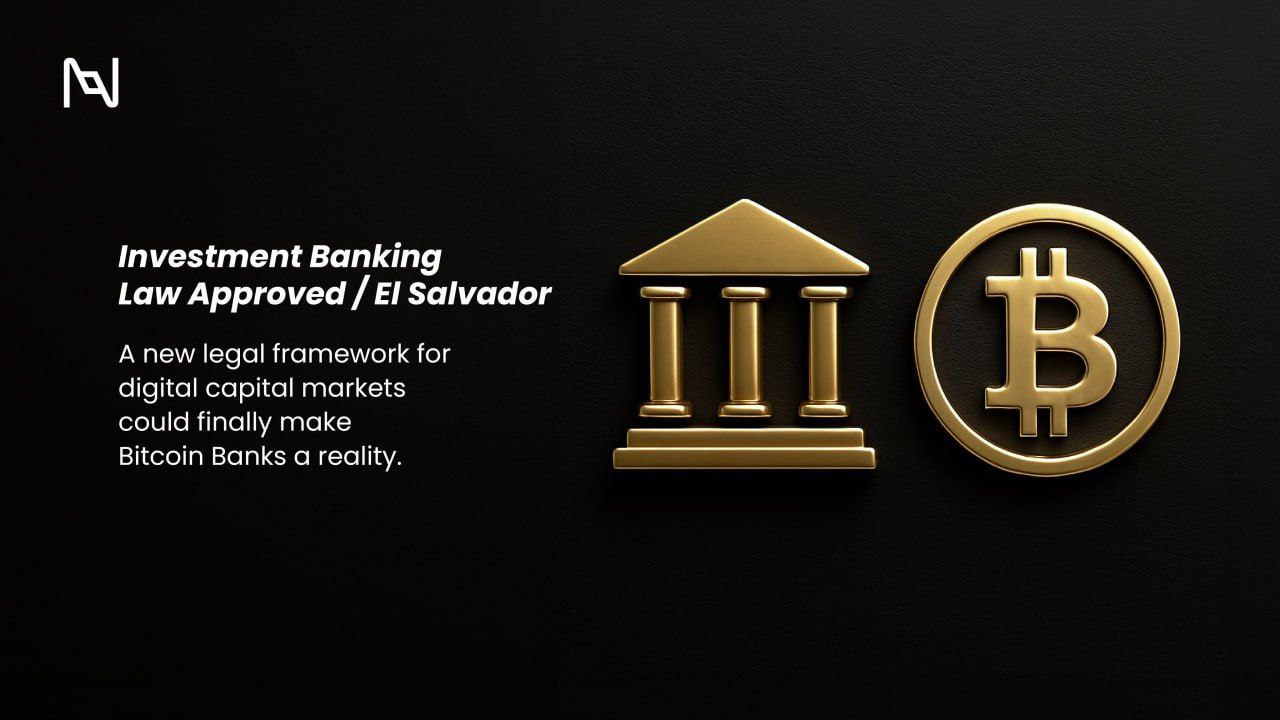
Overview of El Salvador’s Investment Bank Law
In September 2023, El Salvador passed a groundbreaking investment bank law aimed at redefining the landscape of financial services within the nation. This legislation introduces a specialized framework for the establishment and operation of investment banks, distinguishing them from traditional commercial banks. The core objective of the law is to elevate El Salvador’s position on the global financial stage by facilitating sophisticated financial products and services, thereby attracting both local and foreign investors seeking opportunities in the Central American region.
The newly approved law empowers investment banks to engage in a variety of activities, including capital raising, asset management, and advisory services, which are closely aligned with modern financial practices. Unlike commercial banks, which primarily focus on deposit-taking and lending activities, investment banks emphasize facilitating mergers and acquisitions, underwriting securities, and providing wealth management solutions. This distinction is critical as it opens avenues for innovation in financial services while catering to a more diverse range of customer needs.
El Salvador’s motivation behind this legislative development extends beyond mere financial gain. By creating a conducive environment for specialized investment banks, the country seeks to foster economic growth, attract international investment, and enhance its financial reputation globally. The law is also seen as a strategic response to the increasing demand for digital assets and cryptocurrencies, aligning with the government’s broader vision to integrate cutting-edge financial technologies into the national economy.
Furthermore, the investment bank law is anticipated to encourage the establishment of fintech companies in El Salvador, promoting competition and ensuring access to specialized services for both individuals and businesses. Overall, this legal framework not only serves the immediate needs of the financial sector but also positions El Salvador as a progressive player in the evolving landscape of global finance.
Regulatory Framework and Institutional Support
The newly enacted Investment Bank Law in El Salvador establishes a comprehensive regulatory framework aimed at enhancing the stability, transparency, and efficiency of the financial services sector, particularly in relation to digital assets. This legislative effort is particularly pertinent as it offers clear guidelines for the activities of investment banks, thereby instilling confidence among both local and international investors. The law delineates specific compliance requirements that banks must adhere to, ensuring that their operations align with international standards and best practices.
At the core of this framework are stringent supervision mechanisms established by the national authorities. These entities are tasked with monitoring investment banks to ensure rigorous adherence to risk management protocols. Such protocols are designed to mitigate potential risks associated with financial activities, including market volatility and operational risks intrinsic to the digital assets domain. By mandating regular compliance audits and risk assessments, the law fortifies a proactive approach to risk management, safeguarding not only the integrity of individual banks but also the broader financial system.
The role of national regulatory bodies cannot be overstated. They serve as pivotal players in the enforcement of the Investment Bank Law, providing ongoing support to institutions as they adapt to new regulations. By facilitating training programs and resources, these authorities aim to equip banks with the necessary tools to navigate complex compliance landscapes effectively. Furthermore, the establishment of a clear reporting framework enhances transparency, as banks are required to disclose pertinent operating information that will be accessible to regulators and stakeholders alike.
This regulatory oversight is crucial in fostering a stable financial environment where investment operations can flourish. Such a landscape not only encourages local enterprises to engage with digital assets but also reassures foreign investors of the safety and integrity of their investments in El Salvador.
Opportunities for Businesses and Investors
The recent implementation of El Salvador’s new investment bank law heralds significant opportunities for both local enterprises and international investors. This legislation encompasses a suite of services traditionally associated with investment banks, thereby transforming the financial landscape within the country. With a focus on supporting corporate financing, mergers, and trading, the new law supports a diverse range of financial activities that are essential for stimulating economic growth. Enterprises operating in the region will benefit from enhanced access to capital, which is critical for innovation and expansion.
One of the standout features of the investment bank law is its emphasis on the management of digital assets, particularly cryptocurrencies like Bitcoin. This provision allows local businesses to explore contemporary financing options that were previously unattainable due to regulatory constraints. With investment banks offering services such as digital asset management, companies can leverage cryptocurrencies to facilitate cross-border transactions, improve liquidity, and mitigate risks associated with foreign exchange fluctuations.
Moreover, the favorable regulatory environment is expected to attract international investors who are keen on exploring emerging financial markets. The law enhances El Salvador’s reputation as a pioneering country in the adoption of digital assets, fostering a climate of trust and innovation. Investors from around the globe can look forward to entering a market that not only offers competitive financing solutions but also a growing appetite for advanced financial products.
In summary, the new investment bank law positions El Salvador as a significant player in the realm of financial services. By opening doors for sophisticated funding solutions and appealing to global investors, this legislation will likely galvanize both local businesses and international stakeholders to engage more actively in the Salvadoran financial landscape.
El Salvador’s Vision for Financial Innovation and Its Global Impact
El Salvador’s new investment bank law marks a critical turning point, positioning the nation as a trailblazer in financial innovation. By integrating digital assets into its banking framework, El Salvador not only revolutionizes its own financial services landscape but also sets a precedent for other countries. This strategic initiative underscores the country’s commitment to harnessing the potential of blockchain technology, cryptocurrencies, and innovative banking practices to stimulate economic growth.
As a leader in adopting cryptocurrencies, El Salvador’s reliance on digital assets could influence traditional banking paradigms globally. The law enables financial institutions to offer services related to cryptocurrencies, facilitating easier transactions and investments in a manner that was previously unavailable. By embracing this digital economy, the nation distinguishes itself from other financial hubs, many of which remain hesitant in fully integrating such technologies due to regulatory uncertainties. The proactive stance taken by El Salvador could encourage other nations to reconsider their policies, accelerate digital innovation, and attract foreign investment.
Experts predict that El Salvador’s model may inspire worldwide movements toward modernizing banking systems. Should other countries perceive tangible benefits, such as increased financial inclusion and enhanced transaction security, they might follow suit. The concentration on regulatory oversight within El Salvador also serves as a valuable lesson, emphasizing that innovation does not have to come at the expense of security. By crafting a legal framework that encourages all players within the digital assets space to comply with defined standards, El Salvador fosters a more secure environment for investment.
In conclusion, El Salvador’s commitment to financial innovation through its investment bank law not only propels domestic economic growth but holds significant implications for the global financial landscape. The country’s unique approach may serve as a blueprint for others, showcasing the benefits of integrating digital assets into traditional banking practices while maintaining regulatory compliance.