
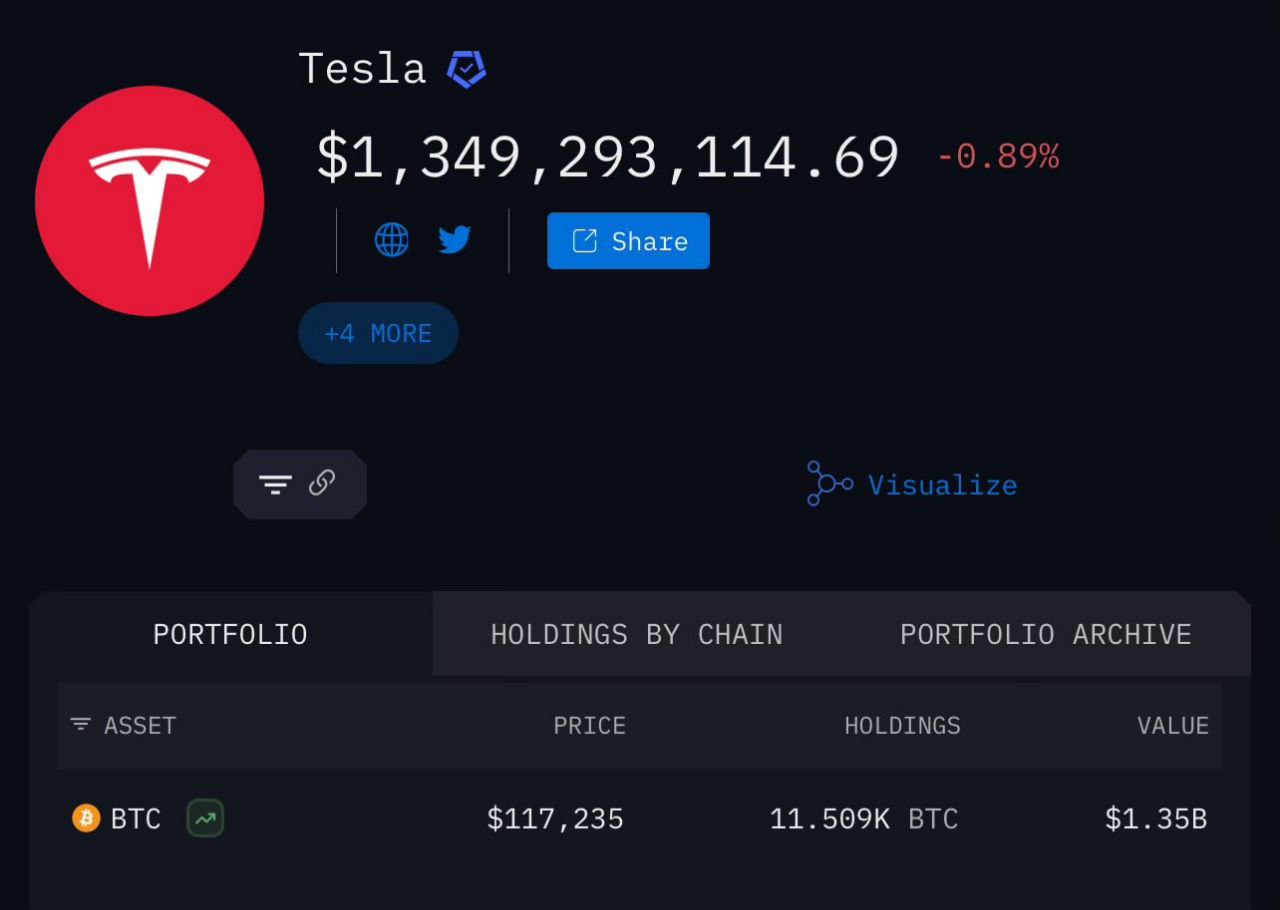
The Rationale Behind Tesla’s Bitcoin Investment
Tesla’s decision to invest over $1 billion in Bitcoin marked a significant shift in corporate investment strategies, highlighting a growing acceptance of digital currencies within traditional financial frameworks. One of the key motivations behind this substantial investment is the potential for increasing the company’s financial portfolio. By allocating a portion of its cash reserves to Bitcoin, Tesla aims to diversify its assets beyond conventional equities and fiat currencies, which may be subject to inflationary pressures. This diversification strategy not only mitigates risks associated with economic fluctuations but also capitalizes on the appreciation potential that cryptocurrencies hold.
Moreover, the surge in institutional investments in Bitcoin has prompted companies to reconsider their treasury management practices. By including Bitcoin in its asset allocation, Tesla positions itself as a forward-thinking leader in innovation, capable of embracing modern financial instruments. The company’s foray into Bitcoin is not merely a financial maneuver but also a testament to Elon Musk’s vision for a digitized future where cryptocurrencies play an integral role. Musk’s advocacy for technological advancements and digital currencies showcases Tesla’s alignment with emerging trends in the financial landscape.
Additionally, Tesla’s Bitcoin investment aligns with the company’s overall mission to accelerate the world’s transition to sustainable energy. The decision to integrate a digital currency into its portfolio reflects a strategic move that resonates with a broader demographic, particularly those within the tech-savvy millennial and generation Z markets. As consumers become increasingly comfortable with cryptocurrencies, Tesla’s embrace of Bitcoin could enhance its brand image and reinforce its commitment to innovation. Therefore, Tesla’s investment can be seen as both a financial strategy and a bold statement about the company’s future direction in a rapidly evolving economic environment.
Risks and Considerations of Investing in Cryptocurrency
Tesla’s substantial investment in Bitcoin highlights both the opportunities and the inherent risks associated with cryptocurrency. One of the foremost concerns is market volatility. Cryptocurrency markets are notorious for their rapid price fluctuations, which can significantly impact the value of a company’s investment portfolio. For instance, Bitcoin’s price can experience dramatic increases, but it can also plummet within short time frames. As a result, Tesla’s financial stability may be jeopardized, depending on the timing of its transactions and the prevailing market conditions.
Another critical consideration involves regulatory concerns. As governments across the globe grapple with the implications of cryptocurrency, the regulatory landscape remains uncertain. Tesla, in investing heavily in Bitcoin, faces the risk of potential future regulations that could limit its operations or impose substantial compliance costs. This evolving regulatory environment may affect investor confidence and alter market dynamics profoundly, causing further fluctuations in cryptocurrency values. Stakeholders must remain vigilant about potential policy changes that could impact Tesla’s Bitcoin investment strategies.
Security risks are also pivotal in the evaluation of digital currencies. Cryptocurrencies can be susceptible to hacking and various security breaches, jeopardizing the safety of assets. Tesla must engage in continuous risk management practices to mitigate these vulnerabilities. Such measures could involve investing in sophisticated cybersecurity protocols to safeguard digital holdings. Any security breach could result in financial losses and damage to Tesla’s reputation, ultimately undermining stakeholder trust.
Balancing potential profits against these inherent risks is essential for making informed investment decisions. Tesla’s foray into Bitcoin serves as a critical case study, illustrating how companies navigate the complexities of integrating cryptocurrency into their financial portfolios.
Market Reaction and Implications for Investors
The announcement of Tesla’s $1 billion investment in Bitcoin has profoundly impacted the financial landscape, triggering notable fluctuations in both the stock price of Tesla and the value of Bitcoin. Following the decision to allocate a significant portion of its cash reserves to Bitcoin, Tesla experienced a surge in its stock price, which reflected increased investor confidence in the company’s commitment to innovative financial strategies. Conversely, this bold move contributed to a momentary spike in Bitcoin’s valuation, showcasing the asset’s growing acceptance in mainstream finance.
As the market absorbed the news, analysts observed a pronounced reaction from investors who appeared to view Tesla’s investment as a validation of cryptocurrency’s legitimacy. Many considered this step an endorsement of Bitcoin as a suitable reserve asset, which has the potential to enhance the appeal of cryptocurrencies to traditional investors. This shift in sentiment has not only influenced Tesla shareholders but has also reverberated across the broader cryptocurrency market, with many investors reassessing their positions in response to Tesla’s strategic maneuver.
Furthermore, the implications for investors holding Tesla shares or those involved in cryptocurrency investments are significant. Analysts suggest that the integration of Bitcoin into Tesla’s financial portfolio may position the company favorably in an evolving economic environment. While volatility remains a key characteristic of the cryptocurrency market, Tesla’s involvement could herald a more stable investment landscape, encouraging others to consider digital assets as part of their diversification strategies. Consequently, investors are keenly observing ensuing trends, with predictions indicating that further corporate adoption of cryptocurrency could lead to long-term growth in both sectors.
The Future of Corporate Treasury: Influencing a New Norm?
Tesla’s substantial investment in Bitcoin has sparked a pivotal discussion within the realm of corporate treasury management, potentially reshaping how companies view and incorporate digital assets. As organizations increasingly recognize the advantages of cryptocurrencies, Tesla’s move may serve as a catalyst for change, influencing other corporate entities to rethink their treasury strategies in a rapidly evolving financial landscape.
Historically, treasury management has focused on conventional assets such as cash, bonds, and equities. However, the integration of cryptocurrencies, exemplified by Tesla’s $1 billion investment, signifies a shift towards a more diverse asset base. Companies are beginning to understand that digital currencies can act as a hedge against inflation and currency volatility, providing them with an alternative avenue for preserving value. This shift, in turn, could lead to a cascading effect whereby other major players in various industries may consider deploying a portion of their reserves into digital currencies.
Leading corporations such as MicroStrategy and Square have already carved out similar paths, aligning with trends that indicate an increasing acceptance of digital assets within mainstream finance. The growing recognition of cryptocurrencies as a legitimate asset class is increasingly reflected in discussions among corporate executives and financial officers, which may further contribute to their integration into corporate financial strategies. This evolving relationship between traditional companies and cryptocurrencies is representative of a broader wave of digital transformation, where entities strive to adapt to technological advancements and shifting consumer preferences.
Ultimately, the integration of Bitcoin and other cryptocurrencies into corporate treasury management could pave the way for a new norm. Should more corporations follow Tesla’s example, the corporate landscape may see a redefinition of risk management strategies and asset allocation practices, highlighting the continued merging of traditional finance with innovative digital solutions.