
Setting the Scene: The Elmendorf-Richardson Base Meeting
The meeting between Donald Trump and Vladimir Putin, held at Elmendorf-Richardson Base in Alaska, marks a pivotal moment in international relations. This base, significant not only for its military capabilities but also for its strategic location, has long served as a critical asset for the United States in the Pacific and Arctic regions. Positioned near the confluence of critical air and sea routes, the Elmendorf-Richardson Base plays a vital role in U.S. defense and response strategies, enhancing national security amidst global uncertainties.
The historical context of this meeting is particularly noteworthy, as it occurs against the backdrop of escalating tensions following Russia’s invasion of Ukraine in 2022. This military aggression has reshaped global alliances and prompted a reevaluation of foreign policy strategies. The importance of the Elmendorf-Richardson Base intensifies in this scenario, symbolizing U.S. resilience and commitment to defending allies in the region. The base serves not only as a military installation but also as a potential forum for dialogue, underscoring the complexities of U.S.-Russia relations.
This high-stakes encounter marks the first in-person dialogue between Trump and Putin since the onset of significant conflict in Ukraine. Expectations surrounding the meeting are immense, driven by the need to address critical issues such as nuclear arms control, cybersecurity, and regional stability. Observers are eager to see how both leaders will navigate discussions, considering the delicate balance of power and security concerns. The significance of this meeting at Elmendorf-Richardson cannot be understated, as it potentially represents a turning point in restoring dialogue between two nations often at odds.
Immediate Reactions: A Cold Handshake and Tense Atmosphere
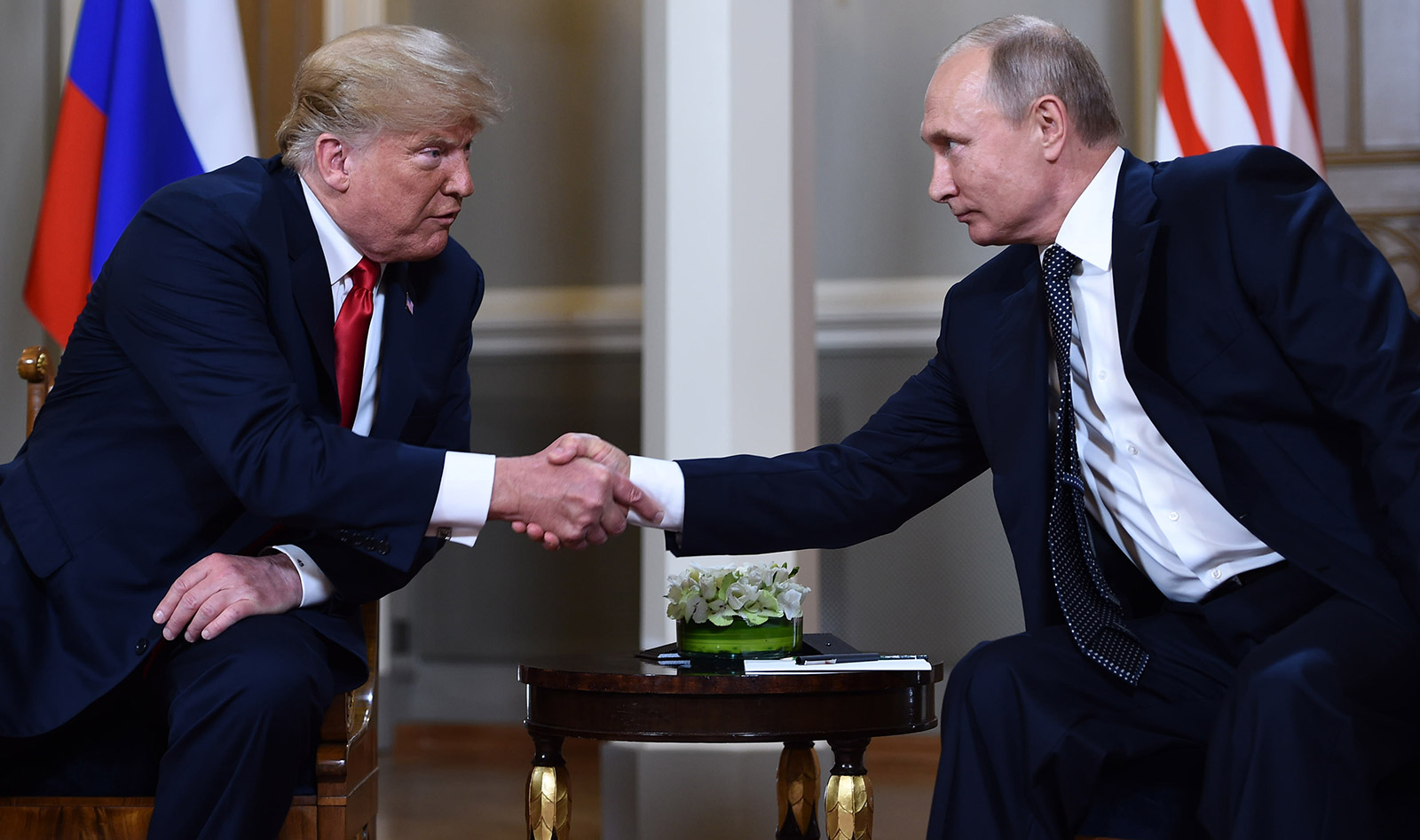
The highly anticipated meeting between President Donald Trump and President Vladimir Putin in Alaska began with a formal yet notably cold handshake, serving as a striking introduction to an event steeped in geopolitical significance. The initial interaction, often scrutinized by analysts, set the tone for the proceedings. Observers noted that the handshake, while cordial in nature, lacked the warmth or familiarity often expected between leaders, highlighting an underlying tension prevalent in high-stakes diplomatic encounters.
Body language experts emphasize that the subtle signals exchanged in such moments convey volumes. Trump’s firm grip contrasted with Putin’s more reserved demeanor, suggesting an inherent power dynamic at play. As both leaders took their positions for the subsequent discussions, the atmosphere remained charged. Analysts quickly pointed out the palpable tension, interpreting the body language as indicative of the broader diplomatic challenges that define U.S.-Russia relations.
In the wake of their first interaction, reactions from the international community began to surface, marking the moment as a focal point for global scrutiny. Political commentators and diplomats expressed a sense of watchfulness, aware that the outcomes of this meeting could significantly influence international relations. The guarded manner exhibited by both presidents resonated with various stakeholders, underscoring the cautious nature needed during such engagements.
As the meeting progressed, the expectations and inherent challenges faced by both leaders were evident. Analysts pointed out that a successful dialogue hinged upon navigating the complexities of their intertwined histories and divergent interests. Collectively, these initial reactions establish a framework for understanding the implications of the meeting, where every gesture and word carried substantial weight in the context of strained bilateral relations.
The Stakes: Global Implications and Potential Outcomes
As President Trump and President Putin prepare to meet in Alaska, the stakes could not be higher in terms of global implications and the outcomes that may emerge from this pivotal encounter. The ongoing conflict in Ukraine has placed a significant strain on international relations, positioning the two leaders at the heart of a complex geopolitical landscape. This meeting serves as a critical juncture that could either foster dialogue or exacerbate existing tensions.
One of the primary implications of this high-stakes meeting lies in international security. A productive dialogue between the U.S. and Russia could lead to breakthroughs in arms control and security agreements, which are essential for maintaining stability not only in Europe but also in the wider international arena. Conversely, failure to reach any form of consensus may result in an escalation of hostilities, potentially igniting a new arms race or further destabilizing regions already in turmoil.
Additionally, the meeting presents an opportunity to reshape global alliances. Both leaders possess significant influence over various nations and networks, and a collaborative approach could enhance partnerships that promote peace and stability. Should Trump and Putin manage to find common ground on critical issues, they could redefine traditional alliances and affect players like NATO and the European Union. However, a divisive encounter could further isolate Russia and deepen the rift between East and West.
The historical mistrust that characterizes U.S.-Russia relations looms large over these discussions. By addressing contentious issues like cybersecurity, election interference, and regional conflicts, the leaders can signal a commitment to tackling their differences head-on. The outcomes of this meeting could set the tone for future interactions, with repercussions that extend far beyond bilateral relations. As the world watches, the unfolding events in Alaska may chart the course for global power dynamics in the years to come.
Looking Ahead: The Unpredictability of Diplomatic Engagement
International diplomacy often walks a tightrope, balancing between constructive engagement and the potential for strife. The upcoming meeting between high-profile leaders, such as Trump and Putin, underscores the intricacies of global relations. As they gather behind closed doors in Alaska, the uncertainty that shrouds diplomatic negotiations becomes all the more evident. The outcomes of such encounters are frequently unpredictable, heavily influenced by the nuances of language, body language, and even minor gestures.
One crucial aspect of diplomacy is the volatility surrounding any statement or action taken during a high-stakes meeting. A seemingly innocuous comment could ripple through the global diplomatic landscape, setting off reactions that range from renewed collaboration to heightened tensions. The significance placed on these small yet important moments cannot be overstated, as they often frame narratives that lead to broader geopolitical ramifications. Observers worldwide will closely analyze every aspect of the meeting, looking for clues that could signal a shift in relations between nations.
The fragile state of geopolitics accentuates the unpredictability inherent in such engagements. With various international conflicts and alliances continually evolving, the meeting between Trump and Putin might either pave the way for increased cooperation or sow seeds of discord. The fine line between engagement and confrontation becomes particularly pronounced when considering the subjects at hand, which may include military presence, trade relations, and cybersecurity concerns.
Thus, the upcoming encounter is not merely a bilateral discussion; it holds the potential to influence the broader landscape of international relations. As global leaders engage with one another, every action and word carries weight, reflecting the complexities and uncertainties that define modern diplomacy.