
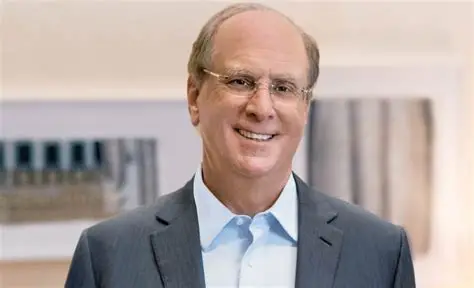
Introduction to the New Co-Chairs
The World Economic Forum (WEF) has recently appointed Larry Fink and André Hoffmann as interim co-chairs, marking a significant transition in its leadership structure. Larry Fink is best known as the CEO of BlackRock, a global leader in investment management and financial services. Under his guidance, BlackRock has grown to manage over $10 trillion in assets, emphasizing a strong commitment to sustainable investing. Fink has consistently advocated for businesses to adopt environmental, social, and governance (ESG) principles, pushing for accountability and transparency within the financial sector. His strategic vision aims to create long-term value not just for investors, but also for society at large.
Concurrently, André Hoffmann brings a unique perspective to the co-chair position. As the Vice Chairman of Roche, a leading healthcare company, Hoffmann has been a pivotal figure in championing sustainable business practices and corporate responsibility. He has dedicated much of his career to promoting sustainability within the corporate framework and emphasizes the importance of balancing economic growth with environmental preservation. Hoffmann’s leadership style is characterized by a collaborative approach and a focus on bridging the gap between business interests and societal needs.
The combination of Fink’s financial acumen and Hoffmann’s commitment to sustainability positions them uniquely to steer the WEF’s mission during this transitional period. Their collective experience aligns closely with the primary goals of the Forum—fostering public-private cooperation to address critical global challenges. As co-chairs, Fink and Hoffmann will play a central role in shaping strategic discussions and initiatives at the WEF, enhancing the forum’s initiatives towards creating a more sustainable and equitable future.
Implications of Their Appointments
The recent appointments of Larry Fink and André Hoffmann as interim co-chairs of the World Economic Forum (WEF) mark a significant turning point for both the organization and the broader global economic landscape. Fink, known for his leadership as the CEO of BlackRock, brings with him a robust background in corporate finance and investment management, emphasizing the importance of sustainable practices within the business sector. Hoffmann, being a prominent figure in the sustainable development arena and CEO of the Roche Group, complements this vision by advocating for an environmentally conscious approach to corporate governance.
Their leadership is indicative of a broader shift towards integrating environmental considerations into financial decision-making processes, which is increasingly relevant in today’s world. As the global economy grapples with the impacts of climate change, the need for a more resilient and sustainable economic framework is paramount. Fink and Hoffmann’s respective experiences enable them to influence WEF’s agenda, promoting discussions that prioritize sustainability alongside economic recovery. This dual focus is vital as businesses begin to understand that long-term profitability is inextricably linked to environmental stewardship.
Moreover, aligning the WEF’s initiatives with the principles of sustainable development can attract a diverse array of stakeholders committed to addressing critical challenges such as climate change, inequality, and resource scarcity. The incorporation of strong financial foresight with a dedication to environmental integrity serves to strengthen the credibility of the WEF as a leading platform for global dialogue and innovation. As the world navigates post-crisis recovery, the appointments of Fink and Hoffmann signal a pivotal advance towards reconstructing the economic narrative, ensuring that sustainability is at the forefront of business strategies and policies.
The Role of the World Economic Forum in Global Issues
The World Economic Forum (WEF) serves a crucial role in addressing pressing global challenges by acting as a platform for dialogue among diverse stakeholders, including policymakers, businesses, and civil society. As the world navigates complexities such as the climate crisis and the economic repercussions of the COVID-19 pandemic, the WEF has established itself as a pivotal forum for collaboration and knowledge-sharing. This environment fosters initiatives that aim to generate actionable solutions through multi-sectoral cooperation.
Current global challenges are multifaceted and require innovative approaches. Climate change, which poses an existential threat, demands urgent attention from all sectors. The WEF has been instrumental in promoting sustainability and environmental resilience through initiatives like the Circular Economy and the Net Zero Carbon initiative. By engaging leaders from various fields, the WEF encourages meaningful discourse that can potentially result in policy changes and business practices aimed at reducing carbon footprints and increasing environmental stewardship.
Moreover, the ongoing process of economic recovery from the pandemic necessitates transformative strategies to revive economies while ensuring social equity. The WEF’s initiatives encourage collaboration among governments and private enterprises to create resilient economic systems. Under the leadership of Larry Fink and André Hoffmann as interim co-chairs, there is potential for these initiatives to gain new momentum. Their respective experiences in finance and corporate governance position them well to navigate the intricacies of these global challenges and to foster cross-sector partnerships that capitalize on collective strengths.
Furthermore, the WEF promotes inclusive dialogue by elevating voices from developing countries and marginalized communities. By fostering a diverse range of perspectives, the forum can more effectively address the varied implications of global issues across different contexts. In essence, the WEF’s role as a facilitator of dialogue and partnerships is vital in identifying and implementing collaborative solutions to pressing global challenges.
Future Outlook and Potential Initiatives
The appointment of Larry Fink and André Hoffmann as interim co-chairs of the World Economic Forum (WEF) is poised to usher in a significant evolution of leadership, particularly with respect to financial models and investment frameworks. As experts in the realms of finance and sustainability, their combined insights may catalyze innovative strategies that align investments with broader societal goals. Analysts predict that their collaborative approach will nurture the development of responsible investment strategies that prioritize social impact and promote environmental sustainability. This paradigm shift is particularly crucial in an era where global challenges necessitate a concerted effort toward equitable growth and ecological balance.
Fink, known for his advocacy of sustainable investing through BlackRock, is expected to leverage his extensive experience to encourage investments that not only yield financial returns but also foster societal advancement. His emphasis on Environmental, Social, and Governance (ESG) criteria could potentially reshape investment paradigms, thereby inviting corporations and institutional investors to re-evaluate their objectives to include social responsibility. On the other hand, Hoffmann, with his strong background in stewardship and commitment to societal well-being, is anticipated to complement Fink’s endeavors by fostering multi-stakeholder collaborations aimed at addressing pressing global issues such as climate change and income inequality.
Furthermore, as Fink and Hoffmann navigate the intricate landscape of global governance, their leadership may strengthen the WEF’s role as a pivotal hub for dialogue and action on economic, social, and environmental policies. By fostering strategic initiatives that promote inclusive growth, the co-chairs can support a framework that not only addresses current challenges but anticipates future demands of an ever-evolving global economy. Engaging a diverse array of stakeholders within this context will be vital for driving transformative change and securing a more resilient future.