
The Arrival: Setting the Stage for Diplomatic Tension
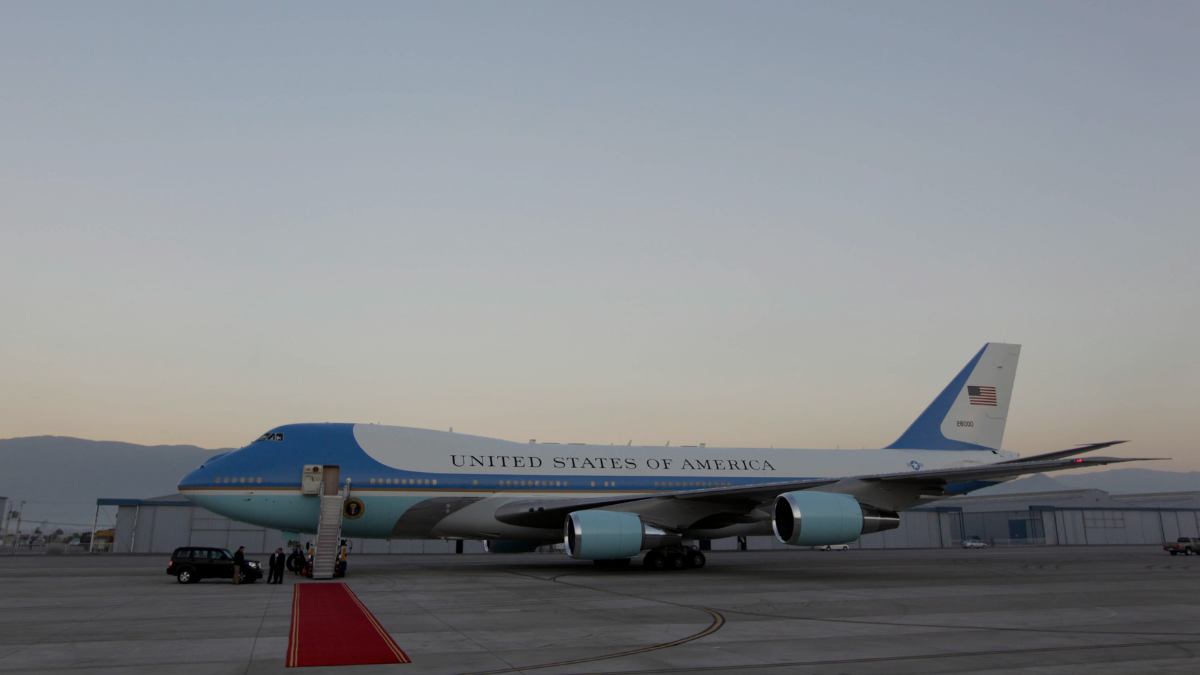
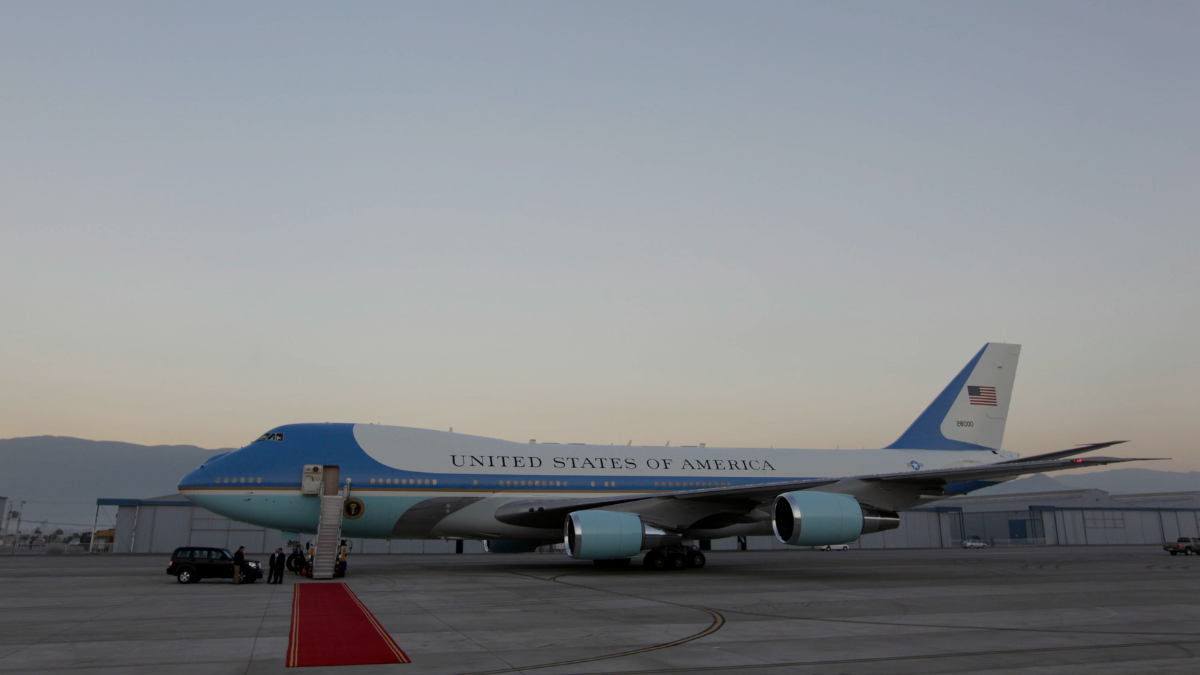
The arrival of President Donald Trump and President Vladimir Putin in Alaska at Joint Base Elmendorf-Richardson marked a pivotal moment in international relations, characterized by precision and military ceremony. As Air Force One touched down, an air of anticipation surrounded the encounter; the historical significance of Alaska as a strategic military site added a layer of gravitas to the proceedings. Both leaders understood that the stakes were high, not just for their respective nations, but for global peace and security.
Joint Base Elmendorf-Richardson, a critical hub of operation for U.S. forces, provided the perfect backdrop for this high-stakes meeting. The symbolism of the venue cannot be understated; it represented the intersection of power and diplomacy, the very essence of what the discussions aimed to achieve. The icy Alaskan setting, stark and formidable, served as a metaphor for the diplomatic chill often felt between the United States and Russia. As the leaders disembarked, the weight of history hung palpably in the air, accentuated by the militaristic precision of the welcome ceremony, complete with honor guards and military pageantry.
The global media attention surrounding this historic meeting was immense, reflecting the world’s interest in the relationship between two of the most powerful figures in contemporary geopolitics. Journalists and commentators scrutinized every detail, from the leaders’ body language to their speeches, framing the event within the context of ongoing tensions. Their presence at Joint Base Elmendorf-Richardson served not only as a strategic maneuver but also emphasized the precarious nature of international diplomacy, revealing the complexities of navigating peace amid longstanding disputes. Each moment leading up to their discussions underscored the critical nature of the dialogue ahead, raising expectations for the outcomes of such an unprecedented summit.
The Summit Agenda: Key Players and Strategic Discussion
The upcoming summit, marked by Trump’s arrival in Alaska aboard Air Force One, represents a critical juncture in international relations, particularly concerning U.S.-Russia dynamics. The summit will adopt a ‘three-on-three’ format, featuring key players from both nations alongside trusted advisors. This arrangement fosters a transparent dialogue, ensuring that discussions remain focused and conducive to strategic negotiations. The selected representatives will include Trump, President Vladimir Putin, and high-ranking officials from their respective administrations, each bringing unique perspectives on complex geopolitical issues.
Central to the agenda is the pressing matter of Ukraine’s territorial integrity, a topic that has dominated the U.S.-Russia relationship in recent years. Both leaders are expected to address the ongoing conflict in Eastern Ukraine, reviewing past engagements and assessing pathways for future collaborations aimed at restoring stability in the region. With Russia’s annexation of Crimea still a significant point of contention, the summit may explore potential security guarantees that could appease both nations’ concerns while fostering a new era of diplomatic relations.
In addition to the Ukraine discussion, the leaders will also navigate broader themes including nuclear disarmament, cyber security, and economic sanctions. Trump’s administration has emphasized the necessity of addressing these issues collectively, highlighting a multifaceted approach to U.S.-Russia relations. Initial expectations reveal a desire from both sides to facilitate constructive dialogue that transcends previous adversarial stances. As the summit approaches, geopolitical analysts are keenly observing each leader’s preparatory remarks, which may provide additional insight into their respective strategies and hopes for a fruitful outcome.
Global Impact: Reactions from Allies and Critics
The recent summit in Alaska, initiated by former President Donald Trump’s unexpected touchdown aboard Air Force One, has elicited a spectrum of reactions from global leaders and various stakeholders. The international community is closely monitoring the implications of this meeting, particularly as it pertains to U.S.-Russia relations and the ongoing conflict in Ukraine. Ukrainian President Volodymyr Zelenskyy expressed profound concern regarding any potential agreements that may overlook Ukraine’s sovereignty or territorial integrity. His apprehension showcases a broader anxiety among Eastern European nations, who fear a shift in American foreign policy that could embolden aggressive actions by Russia.
Moreover, European leaders have voiced their critical perspectives on the negotiations. Countries like Poland and the Baltic states remain wary of Trump’s history of leveraging foreign policy for domestic gain. Statements from European Union officials emphasize the need for a consistent approach towards Russia, one that prioritizes democratic values and the rule of law. Public sentiment reflects these concerns, as evidenced by the demonstrations occurring in Anchorage. Thousands of protesters have taken to the streets, underscoring widespread anxiety about the implications of any leniency extended toward Putin by the U.S. administration.
The reactions from allied nations and public demonstrators alike highlight the complexity surrounding the peace summit. Many view it as a pivotal moment in the U.S.-Russia dynamic, fraught with potential ramifications not just for the involved countries, but for the broader geopolitical landscape. The potential outcomes of this meeting could redefine alliances and set new precedents in international relations. Therefore, the varied responses illuminate the underlying fears that a hasty resolution may inadvertently compromise established democratic principles and international stability, leaving stakeholders deeply concerned about the trajectory of global peace efforts.
The Road Ahead: Implications for U.S.-Russia Relations
The recent summit sparked by Trump’s air force one touchdown in Alaska presents a pivotal moment for U.S.-Russia relations. The discussions, enriched by the presence of Putin’s delegation, could potentially lead to significant outcomes that may reshape the diplomatic landscape between the two nations. One of the primary focal points of the summit is economic reintegration, which entails the alleviation of existing sanctions that have strained ties and fostered economic isolation. As both nations assess the possibility of collaborating on economic initiatives, the potential for mutual benefits cannot be overlooked.
Moreover, the global implications of the summit’s results cannot be underestimated. A thawing of relations between the United States and Russia might lead to a realignment of geopolitical alliances, affecting other international partnerships and agreements. Countries witnessing these developments may adjust their foreign policies in response to renewed U.S.-Russia engagement. This could result in either heightened tensions as nations like China and NATO powers reevaluate their strategies or new opportunities for collaboration on pressing global issues such as climate change, cybersecurity, and terrorism.
However, the road ahead is fraught with challenges. The intricacies of diplomacy must be navigated with care, as the underlying traces of conflict remain present. Both nations carry the burden of historical grievances and mutual suspicions. Addressing these issues during the summit will be essential to moving forward constructively. The delicate balance between fostering dialogue and managing ongoing disagreements will define future interactions. In conclusion, the outcomes of this summit may serve as a barometer for U.S.-Russia relations in the years to come, and the world will be watching closely as these discussions unfold.