
&f=1&ipt=ff95410683f2d3ddaeed5cf252cedba70bfe32976a977da50cf9a2cc229af029)
Understanding the Latest Inflation Data
The inflation figures released for July indicate that the year-on-year inflation rate has remained steady at 2.7%, aligning closely with market expectations. This consistency in inflation rate is pivotal as it demonstrates a stable economic environment, which is essential for both consumers and businesses. However, the nuances of inflation data reveal additional layers of complexity worth examining.
One important distinction to make is between headline inflation and core inflation. Headline inflation encompasses the total inflation including all categories of goods and services, influenced heavily by volatile components such as food and energy prices. In contrast, core inflation excludes these volatile items, thereby providing a more stable measure of underlying inflation trends. As of July, core inflation has seen an increase, reaching 3.1%. This rise in core inflation is significant as it suggests that inflationary pressures are present even after accounting for the more erratic elements of the economy.
The implications of these inflation figures extend beyond mere statistics. For consumers, an inflation rate of 2.7% signifies that the price of goods and services has increased, impacting purchasing power. On the other hand, businesses must navigate these inflation trends cautiously; higher core inflation could indicate rising costs for inputs and labor, potentially leading to higher prices for consumers. Moreover, these inflation metrics play a critical role in shaping monetary policy decisions by the Federal Reserve. The Fed may assess whether to adjust interest rates to either stimulate growth or curb inflation. Thus, the stable inflation rate combined with an increasing core inflation rate heralds a complex economic landscape that requires careful monitoring and response from all sectors of the economy.
The Federal Reserve’s Response to Inflation Trends
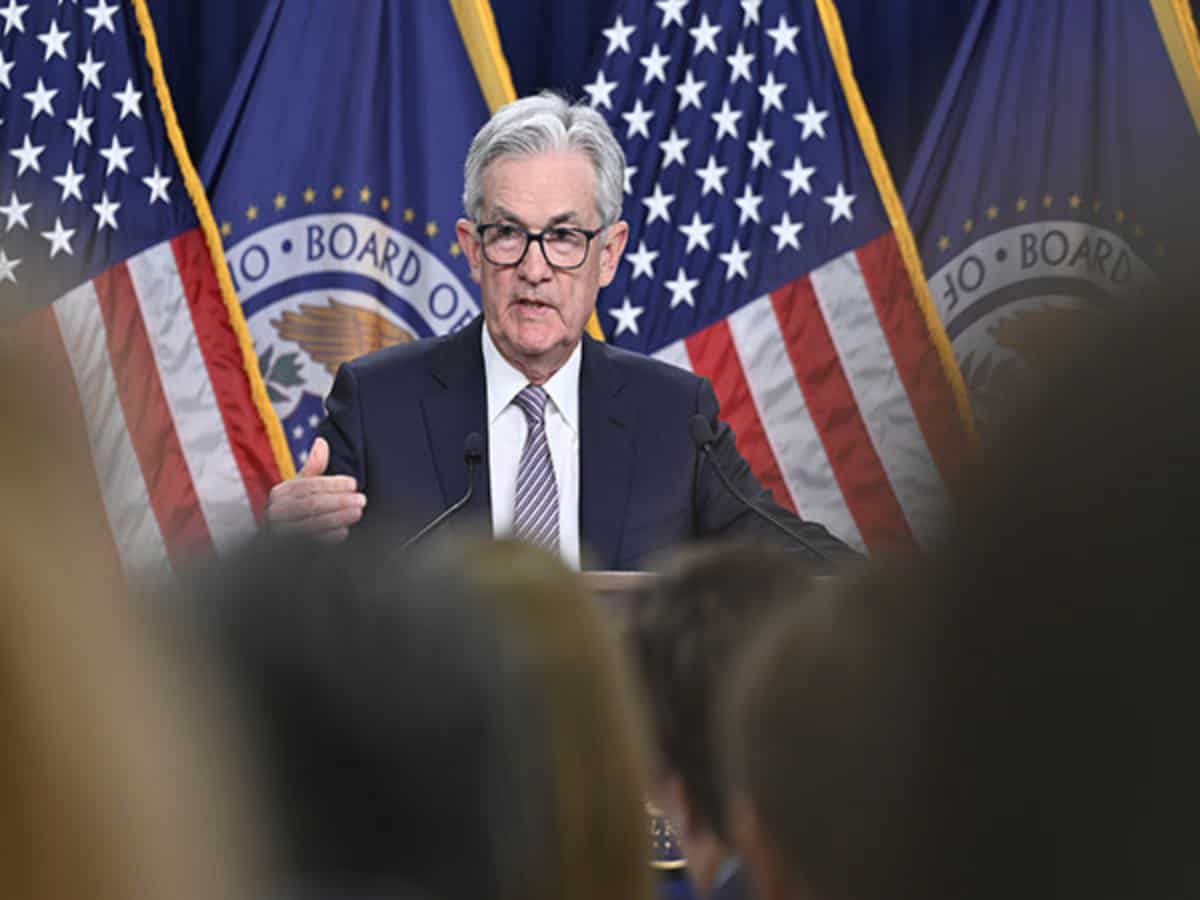
The recent inflation data, which holds steady at 2.7% in July, poses significant implications for the Federal Reserve’s monetary policy approach. With core inflation seemingly stabilized, the Fed faces a complex landscape where its decisions will be closely scrutinized by financial markets and economic stakeholders alike. The persistent inflation rate allows for considerable contemplation regarding interest rate adjustments, specifically the potential for a rate cut as soon as September.
The strategy of the Federal Reserve historically revolves around a dual mandate: promoting maximum employment while ensuring stable prices. With inflation remaining relatively steady, the Fed might interpret this as an opportunity to stimulate economic activity through interest rate reduction. Financial markets are already adjusting their forecasts based on this notion, with many participants anticipating a more dovish shift if inflation continues to demonstrate resilience at these levels.
However, the Fed’s decision-making process regarding these interest rate changes is not solely influenced by current inflation metrics. The central bank must also weigh broader economic indicators, including employment figures, consumer spending, and external economic conditions. Each of these factors contributes to a delicate balance that the Fed strives to maintain—promoting growth while simultaneously mitigating inflationary pressures.
If the Fed opts to reduce interest rates, it would aim to further encourage borrowing and consumer spending, which, in turn, could support GDP growth. Yet, any premature rate cuts could risk re-igniting inflation, complicating the central bank’s ability to achieve long-term price stability. Thus, the trajectory of inflation will continue to be a critical factor in shaping the Federal Reserve’s forthcoming monetary policy actions.
Core Inflation: A Closer Look
Core inflation, which excludes volatile categories such as food and energy prices, has become a critical measure for understanding economic conditions. In July, the core inflation rate has been influenced by several factors, notably the implementation of import tariffs. These tariffs have contributed to increased production costs, which, in turn, have been passed on to consumers in the form of higher prices for goods and services. The implications of rising core inflation rates become particularly significant when assessing long-term economic stability and growth.
As companies adjust to new pricing structures following tariffs, the effects ripple through the economy. Individuals may start to feel the impact of persistent core inflation in their daily lives, which can lead to decreased consumer spending, a vital driver of economic growth. This cycle creates a feedback loop that the economy must navigate carefully. Economists argue that unless core inflation is kept in check, the Federal Reserve may be compelled to adjust interest rates to stabilize prices, which could have a wide-ranging impact on borrowing costs and investment decisions.
Experts also point out that core inflation serves as a bellwether for various external pressures. In a globalized economy, shifts in supply chains and geopolitical events can further influence core price movements. For instance, ongoing trade disputes or disruptions in international supply chains may lead to increased costs for American firms, resulting in higher prices for consumers. Consequently, understanding core inflation is crucial not only for policymakers but also for businesses and households striving to make informed economic decisions in an unpredictable landscape.
Notably, the potential for persistent core inflation raises critical questions about monetary policy. If inflation rates continue to rise, the risk of an economic slowdown looms large, necessitating a careful balancing act for the Federal Reserve in maintaining economic growth while controlling inflationary pressures.
Market Reactions and Economic Outlook
The recent inflation figure of 2.7% observed in July has garnered significant attention from investors and analysts alike, prompting varied reactions across financial markets. Typically, inflation levels play a crucial role in shaping market expectations, influencing everything from bond yields to stock prices. As the market digests this inflation data, a notable shift in investor sentiment can be discerned. Many market participants are closely monitoring indications of potential actions from the Federal Reserve. The central bank’s monetary policy decisions in response to inflation can significantly affect liquidity in the economy, thus influencing investment strategies across different sectors.
In the wake of stable inflation rates, investors may adopt a cautious approach, recalibrating their portfolios to mitigate risks associated with potential interest rate hikes. The relationship between inflation and economic growth has always been intricate; as inflation persists, consumer purchasing power may be adversely affected, leading to a slowdown in consumer spending. Economic growth could face headwinds if households, wary of rising prices, decide to curb discretionary expenditures. Consequently, sectors reliant on robust consumer spending, such as retail and hospitality, might see diminished performance if inflation trends continue on their current trajectory.
Looking forward, potential economic scenarios are contingent on the Federal Reserve’s responses to ongoing inflation levels. If inflation were to remain persistently above target levels, the Fed might need to consider implementing tighter monetary policy to prevent the economy from overheating. Conversely, if inflation cools, there may be opportunities for continued economic expansion, fostering a favorable environment for investments. Ultimately, the interplay between inflation and Fed policy will be pivotal in determining economic stability and growth trajectories in the months to come.