
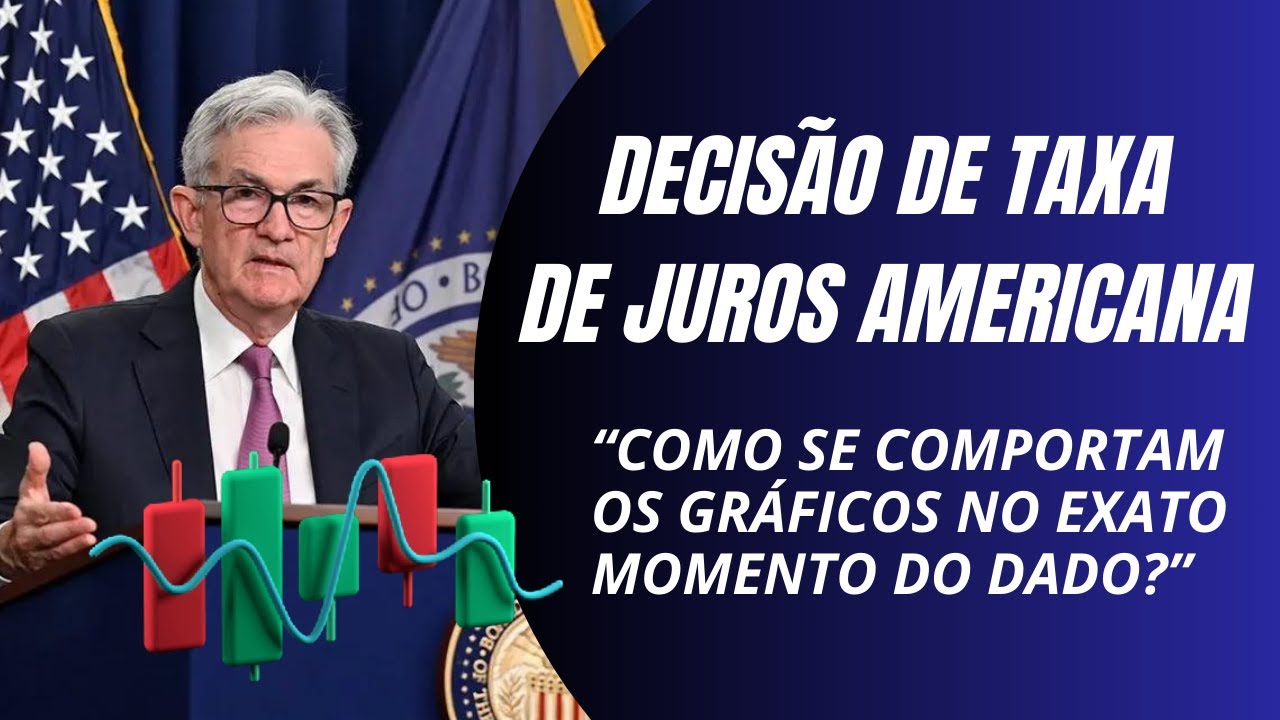
In a highly anticipated speech at the Jackson Hole Economic Symposium on August 22, 2025, Federal Reserve Chair Jerome Powell signaled a significant dovish shift, indicating that the central bank is prepared to cut interest rates, possibly as soon as its upcoming September meeting. Citing emerging risks in the labor market and growing confidence in controlled inflation, Powell’s remarks have electrified markets, which are now pricing in an 87% probability of a rate reduction next month.
While the Fed Chair did not commit to a specific date or the magnitude of the cut, his commentary was the clearest indication yet that the era of aggressive monetary tightening is over. The focus has now pivoted towards sustaining economic expansion in the face of cooling employment data. This potential policy change from the Federal Reserve could have wide-ranging implications for the stock market, borrowing costs, and the broader economic forecast.
Key Takeaways from Powell’s Jackson Hole Speech
The core message from Powell revolved around a recalibration of the Fed’s priorities based on the latest economic data. The key drivers behind this potential “Fed pivot” include:
- Slowing Labor Market: Powell explicitly mentioned “risks” to the labor market. After a period of robust job growth, recent data has likely shown signs of softening, prompting the Fed to consider a more accommodative stance to prevent a significant rise in unemployment.
- Inflation Under Control: The Chair expressed increased confidence that inflation is on a sustainable path back to the Fed’s 2% target. With inflationary pressures waning, the central bank has more flexibility to address the employment side of its dual mandate.
- Data-Dependent Approach: Powell was careful to emphasize that any final decision would depend on the full scope of economic data released before the next Federal Open Market Committee (FOMC) meeting. This includes upcoming reports on inflation (CPI, PCE) and, most critically, the next jobs report.
Market Reacts: 87% Chance of a September Cut
Traders and investors reacted swiftly to Powell’s dovish tone. According to the CME FedWatch Tool, a key barometer of market expectations, the probability of a 0.25 percentage point (25 basis points) interest rate cut at the September 16-17 FOMC meeting has surged to 87%.
This near-certainty reflects a market that has been eagerly awaiting a signal to confirm that borrowing costs will come down. A rate cut would make capital cheaper for businesses and consumers, potentially stimulating economic activity and providing a significant tailwind for equity markets and risk assets.
What Does a Fed Rate Cut Mean for You?
A shift in Federal Reserve policy has a direct impact on the economy and personal finance. Here’s what a potential rate cut could mean:
- For Borrowers: Lower interest rates would translate to reduced costs for mortgages, auto loans, and credit card debt, providing financial relief to households.
- For Savers: Conversely, savers may see lower returns on high-yield savings accounts and certificates of deposit (CDs).
- For Investors: A rate cut is typically bullish for the stock market. Lower rates can boost corporate earnings and make stocks more attractive relative to bonds, potentially driving market indices higher. The real estate market could also see renewed activity due to lower mortgage rates.
All Eyes on Upcoming Economic Data
While the path seems set for a September rate cut, the Federal Reserve’s final decision is not yet guaranteed. The coming weeks will be crucial as policymakers scrutinize the next round of inflation and employment data. A surprisingly strong jobs report or an unexpected spike in inflation could still cause the Fed to pause, though the market currently sees this as a low-probability outcome.
In conclusion, Jerome Powell’s message from Jackson Hole has effectively set the stage for the first interest rate cut of this cycle. As the Federal Reserve pivots to protect the labor market, a new phase of monetary policy is beginning, one that could define the economic landscape for the remainder of 2025 and beyond.