
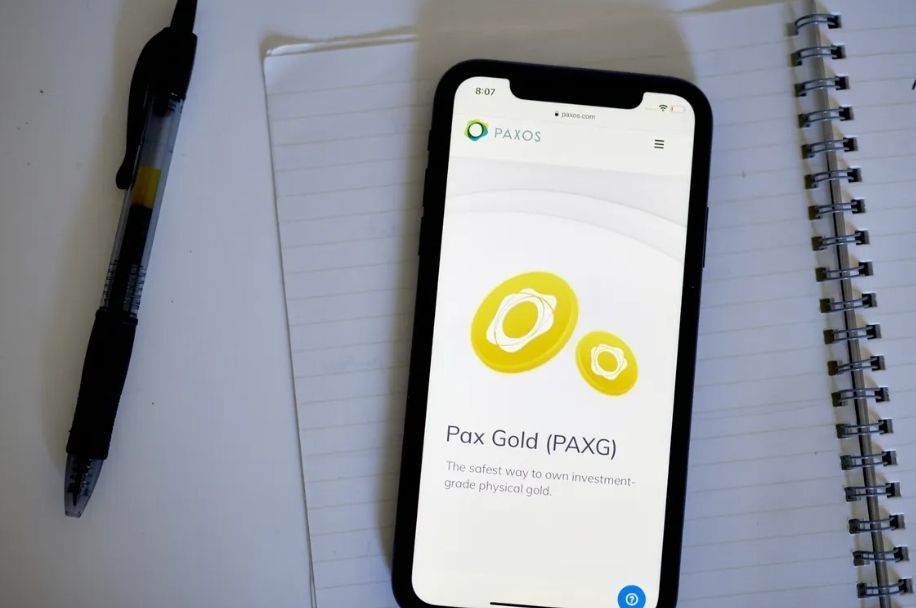
In a significant move to bolster trust and security in the burgeoning stablecoin market, industry giants Circle and Paxos are piloting a novel “know-your-issuer” (KYI) technology. This initiative, developed in partnership with the regulatory technology firm Bluprynt, aims to provide a robust method for verifying the authenticity of stablecoin issuers, directly combating the growing threat of counterfeit tokens and enhancing transparency for both consumers and regulators.
The collaboration, highlighted in a recent Bloomberg report, marks a critical step forward in the maturation of the digital asset space. As stablecoins, such as Circle’s USDC and Paxos’s USDP, become increasingly integrated into the financial ecosystem, the need for reliable verification mechanisms has become paramount. The new technology is designed to cryptographically link a stablecoin to its verified issuer, creating an immutable on-chain record of its origin.
The Problem of Proliferation: A Solution to Copycats
The proliferation of “copycat” tokens has posed a significant risk to the integrity of the cryptocurrency market. Malicious actors often create fraudulent tokens that mimic legitimate, well-established stablecoins to deceive investors and exploit vulnerabilities. This not only leads to financial losses but also erodes trust in the digital asset class as a whole.
The “know-your-issuer” technology being trialed by Circle and Paxos directly addresses this challenge. By embedding a digital signature of the issuer into the token itself, it allows wallets, exchanges, and other platforms to programmatically verify the authenticity of a stablecoin. This provides a powerful tool to weed out counterfeit assets and protect users from fraudulent schemes.
How “Know-Your-Issuer” Works
At its core, the KYI technology leverages the inherent security and transparency of the blockchain. When a stablecoin is minted by a verified issuer like Circle or Paxos, a unique cryptographic identifier is attached to it. This identifier serves as a digital certificate of authenticity, which can be easily and instantly checked by any participant in the network.
This process is analogous to verifying the authenticity of a physical product through a hologram or a serial number, but with the added security of cryptographic-level verification on a decentralized ledger. For the end-user, this could translate into a more secure experience, with clear indicators within their digital wallets confirming that their stablecoins are genuine.
A Step Towards Regulatory Clarity and Mainstream Adoption
This initiative is not only a technical upgrade but also a strategic move to align with the evolving regulatory landscape for digital assets. As governments and financial authorities around the world grapple with how to best oversee the crypto industry, solutions that enhance transparency and mitigate risk are warmly welcomed.
By proactively developing and implementing robust verification systems, Circle and Paxos are demonstrating a commitment to responsible innovation and are paving the way for greater regulatory clarity. This, in turn, is expected to foster broader mainstream adoption of stablecoins by institutional and retail users who require a higher degree of security and trust.
The collaboration with Bluprynt, a firm at the forefront of regulatory technology, further underscores the industry’s focus on building a sustainable and compliant digital asset ecosystem. The successful implementation of “know-your-issuer” technology could set a new industry standard, encouraging other stablecoin issuers to adopt similar measures.
The Future of Stablecoin Security
The trial of this new verification technology by Circle and Paxos represents a pivotal moment for the stablecoin industry. By tackling the issue of counterfeit tokens head-on, they are not only protecting their users but also strengthening the foundations of the entire digital asset economy. As this technology matures and sees wider adoption, it promises a future where users can transact with stablecoins with greater confidence, knowing that the assets they hold are legitimate and backed by verified issuers. This move towards a more secure and transparent stablecoin ecosystem is a critical building block for the future of finance.