
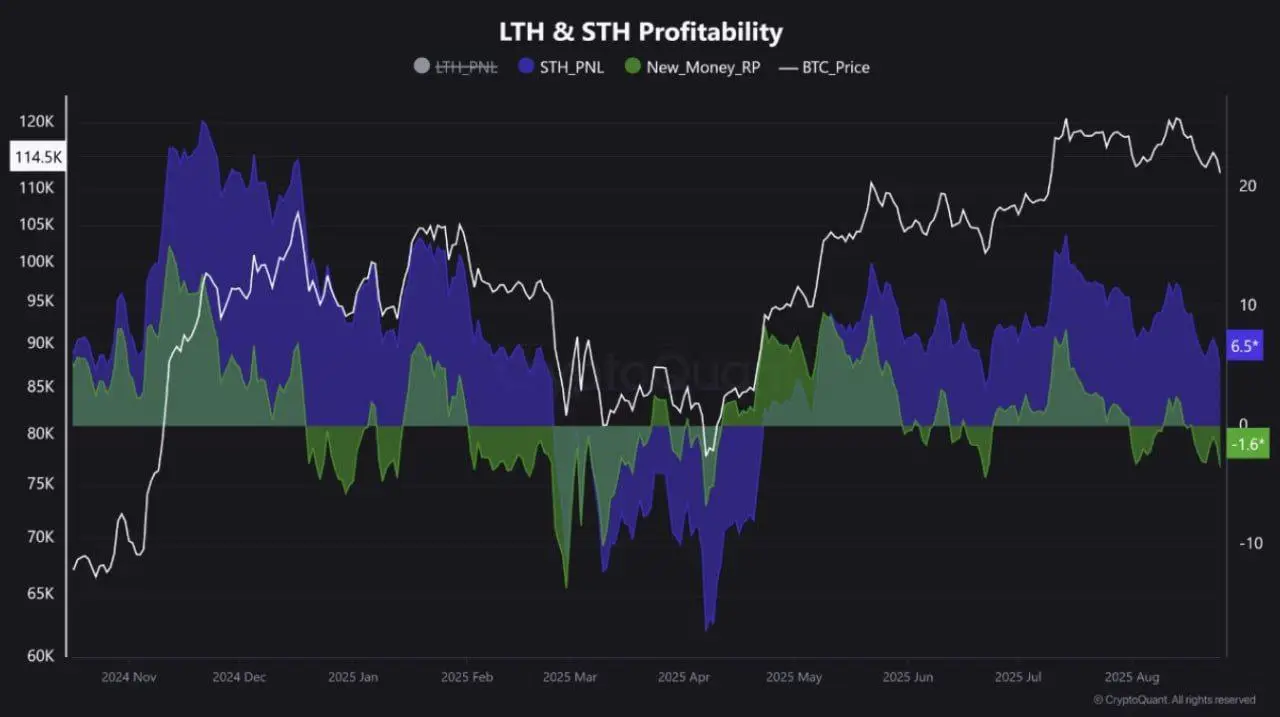
Understanding the Current Market Shakeout
The Bitcoin market is currently experiencing a significant shakeout, a phenomenon that has emerged from a combination of external pressures and internal market dynamics. This downturn is characterized by heightened volatility and a pronounced shift in investor sentiment, predominantly among newer participants who entered the market during periods of speculation and rapid price appreciation. Many of these investors, having expected continued upward momentum, now find themselves facing substantial losses. The ensuing panic has prompted a considerable number to exit the market, further intensifying the selloff.
Investors who entered during the latest bull run often lacked a solid understanding of Bitcoin’s underlying fundamentals. As the market contracted, they were unprepared for the realities of volatility inherent in cryptocurrency investments. The resulting environment has driven the less experienced participants to liquidate their positions, effectively contributing to a cleansing phase within the Bitcoin ecosystem. This behavior stands in stark contrast to that of long-term investors, often regarded as ‘HODLers’, who approach market fluctuations with a different perspective. These seasoned investors recognize the current downturn as an opportunity to acquire Bitcoin at discounted prices, thereby augmenting their holdings.
It is crucial to understand that this market shakeout should not be perceived as an indication of structural weakness within Bitcoin itself. Instead, it can be framed as a necessary adjustment process that sifts out speculative and weak-handed investors. Such market corrections can serve to fortify the foundational strength of Bitcoin by solidifying a community of committed holders who are willing to withstand short-term volatility. As a result, this potentially positions the market for more robust growth in the long-term, paving the way for future stability and increased adoption of Bitcoin.
The Capitulation of Weak Hands
In the context of Bitcoin and other cryptocurrencies, the term ‘capitulation’ refers to a moment when investors, particularly those categorized as ‘weak hands,’ decide to sell their holdings amid market turbulence. This behavior is often driven by fear, uncertainty, and a lack of conviction in the long-term viability of their investments. Recent events in the cryptocurrency market have unveiled a characteristic wave of panic selling from these newer participants, who may have rushed into the market during a bullish phase. The emotional response to price dips has caused many to abandon the fundamental investment philosophy of ‘buy low, sell high.’
The genesis of this capitulation can frequently be traced back to a combination of factors, such as significant market corrections or adverse news affecting the overall market sentiment. Margin calls, where investors are required to increase their collateral to meet their borrowing obligations, often intensify the fallout. When faced with declining values, these new investors find themselves compelled to liquidate their positions to protect their equity, culminating in forced sell-offs that exacerbate the price decline.
This cyclical behavior is characteristic of the cryptocurrency landscape, where volatility is inherent. Market corrections provide an opportunity for astute investors to acquire assets at diminished prices, reinforcing the notion that not all selling pressure is detrimental. The capitulation of weak hands effectively serves to cleanse the market, removing unsustainable speculative behaviors that often lead to inflated valuations. Long-term believers recognize that these periodic sell-offs may serve as a precursor to a recovery, reflecting the cyclical nature of market dynamics and providing a platform for future growth.
Accumulation by Diamond Hands
The cryptocurrency market is often characterized by its volatility, with frequent price swings that can induce panic among new investors. However, seasoned Bitcoin holders, commonly known as ‘diamond hands,’ exhibit a different reaction during these turbulent times. Rather than succumbing to fear or selling off their assets at a loss, these long-term believers view market downturns as opportune moments to increase their holdings. This investment strategy is not just a personal sentiment; it is supported by empirical data showcasing trends in Bitcoin accumulation during price declines.
The concept of ‘diamond hands’ refers to individuals who maintain their investment positions despite market fluctuations, demonstrating a robust commitment to the asset’s long-term potential. Recent data indicates a significant shift in Bitcoin ownership towards these dedicated holders, as they actively purchase more coins during bear markets. This behavior can be largely attributed to their understanding of Bitcoin’s value proposition and a belief in its future potential to appreciate over time. As new investors panic and sell their assets, diamond hands seize this moment to acquire Bitcoin at discounted rates before the market rebounds.
Moreover, this accumulation phase signifies not only the resilience of dedicated investors but also underscores the underlying strength of the Bitcoin ecosystem. The transfer of Bitcoin from short-term traders, who may lack conviction, to individuals with a long-term vision fortifies the integrity of the market. As more Bitcoin is held by diamond hands, liquidity decreases, which can lead to greater price stability in the long run. This dynamic fosters a healthier market environment, suggesting that short-term selling prompted by fear ultimately contributes to a more robust foundation for sustained growth.
Building a Stronger Foundation for Future Growth
The current market dynamics present a unique opportunity that could reshape the landscape of Bitcoin investment for years to come. As new investors experience panic in the wake of volatility, seasoned long-term believers recognize this moment as a pivotal wealth transfer. This shift not only indicates a reassessment of risk but also reveals a growing conviction among those committed to Bitcoin as a fundamental asset. The chaotic market may appear daunting, yet it serves as a catalyst for strengthening the structural fundamentals of Bitcoin.
Amidst the turbulence, the underlying technology and decentralized nature of Bitcoin remain robust. The block reward halving cycle continues to sustain its value proposition, while growing institutional interest and regulatory clarity pave the way for improved acceptance. Moreover, the active engagement of long-term investors aligns with the foundational principles that Bitcoin was built upon—scarcity, security, and decentralization. As panic sets in, savvy investors who remain resolute bolster the ecosystem without succumbing to fear-driven selling.
Furthermore, the current trends of capitulation, where less committed investors exit, are juxtaposed with the accumulation by strongholders. These patterns create a more sustainable environment conducive to future growth. As speculative leverage diminishes and market sentiment stabilizes, a new wave of adoption may emerge. This evolution offers the potential for increased price appreciation as demand outstrips supply, especially in the face of ever-advancing technological developments.
In essence, while the present landscape might seem chaotic, it is also characterized by the shift from short-term speculation to long-term belief. As the foundation strengthens, Bitcoin is poised to enter a new phase of maturity, providing a compelling case for those who envision it as more than just a speculative asset, but a cornerstone of future financial systems.