
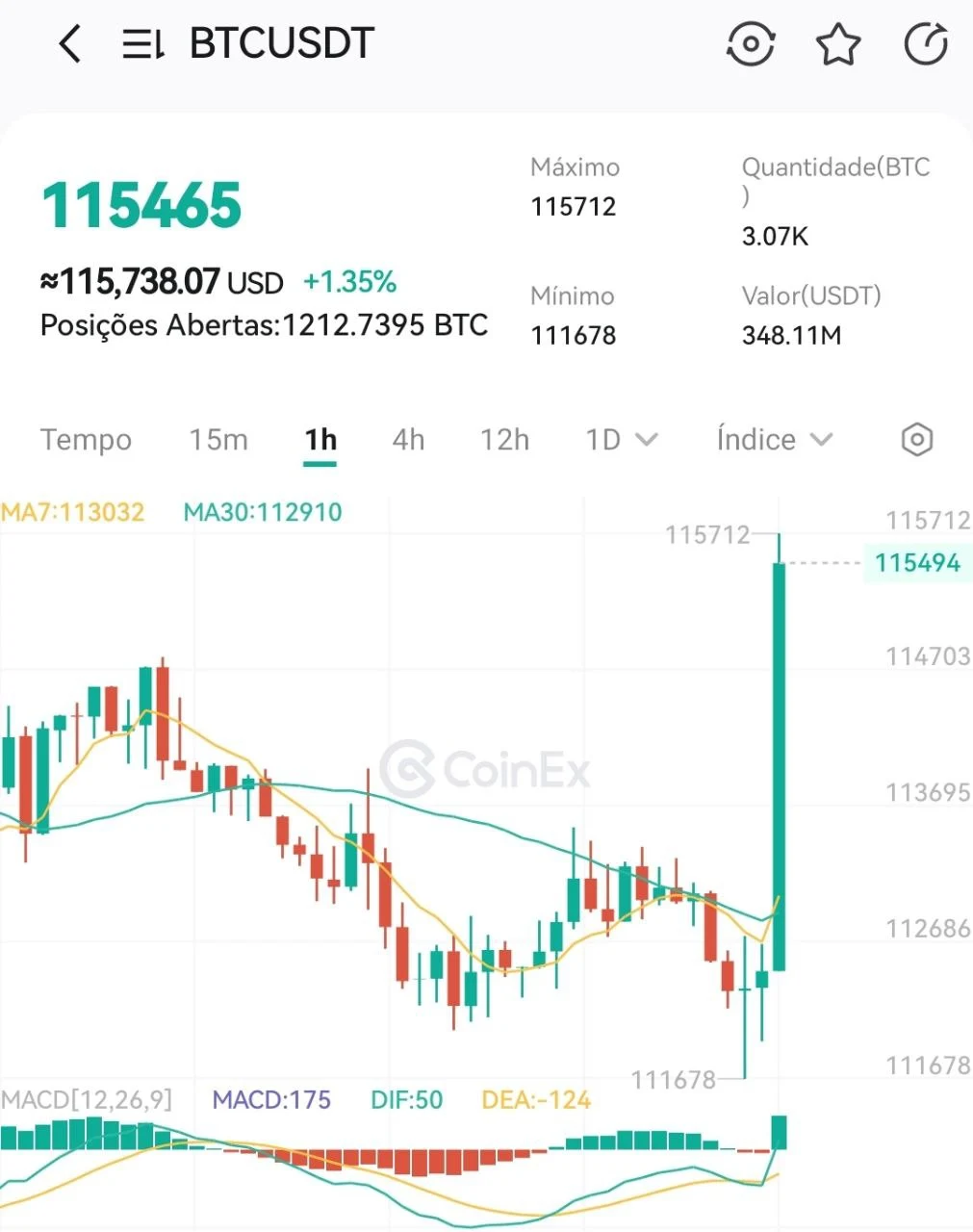
Understanding the Context of Powell’s Speech
Jerome Powell, as the Chair of the Federal Reserve, plays a pivotal role in shaping the monetary policy of the United States. His recent speech has created a significant impact on market expectations as investors closely monitor the central bank’s strategies in response to economic conditions. Historically, the Federal Reserve has adjusted interest rates to strike a balance between combating inflation and stimulating economic growth. Over the past two years, the U.S. has witnessed several interest rate hikes aimed at curbing inflation, which has surged due to various factors including supply chain disruptions and post-pandemic economic recovery efforts.
In his remarks, Powell highlighted several key economic indicators that influence the Federal Reserve’s decision-making process. These include inflation rates, employment statistics, and economic growth projections. At the current juncture, the economy finds itself at a critical crossroads, where the central bank must navigate a complex landscape shaped by fluctuating consumer prices and labor market dynamics. The importance of Powell’s speech cannot be understated as it signals potential shifts in future monetary policy.
The Federal Reserve operates under a dual mandate: to stabilize prices and to ensure sustainable economic growth. This mandate requires a careful consideration of various economic factors, including those pointed out by Powell. As inflation begins to show signs of moderation, discussions surrounding potential interest rate cuts gain traction. Investors must remain vigilant, as the implications of such decisions could significantly impact market conditions, borrowing costs, and overall economic stability. Understanding the context of Powell’s speech, therefore, is crucial for investors looking to navigate the evolving economic landscape effectively.
Market Reactions to Powell’s Remarks
Following Jerome Powell’s recent speech, the financial markets exhibited a notable shift in investor sentiment, oscillating between optimism and caution. U.S. equities, particularly key indices like the S&P 500 and the Dow Jones Industrial Average, initially responded positively, reflecting a wave of buying activity as investors digested the implications of Powell’s statements regarding interest rates and inflation. This uptick in equities was prominently characterized by technology and consumer discretionary sectors, which saw substantial gains as investors portrayed confidence in growth prospects.
However, as the day progressed, some cautiousness set in, resulting in a decline in asset prices, particularly in sectors more sensitive to interest rate changes, such as utilities and real estate. The volatility observed was not limited to U.S. equities; the bond market also reacted strongly, with yields on U.S. Treasuries experiencing fluctuations. Initially, investors sought higher yields, but as the implications of Powell’s speech became clearer, many retreated towards safer government bonds, pushing prices up and yields down.
Furthermore, foreign markets mirrored these sentiments, with European and Asian indices displaying mixed results shortly after Powell’s remarks. While some markets rallied in response to perceived stability from the Federal Reserve, others displayed signs of skepticism, driven by local economic concerns. Overall, trading volumes increased significantly, indicating heightened investor activity and uncertainty.
In terms of investor behavior, there was a noticeable pattern where many opted to reassess their portfolios, leading to both buy and sell phenomena. This shift highlighted a divided outlook among investors, with some opting to capitalize on perceived bargains, while others were more cautious, pulling out of riskier assets in anticipation of potential volatility ahead.
Implications for Investors Moving Forward
Jerome Powell’s recent speech has left investors contemplating the future landscape of financial markets, particularly as it relates to interest rates. The possibility of easing interest rates carries significant implications for various asset classes, prompting investors to reassess their strategies in both the short and long term. In the face of potentially lower rates, equities may become increasingly attractive as companies often benefit from reduced borrowing costs, leading to higher profit margins and potentially elevated stock prices. Sectors such as technology and consumer discretionary, which tend to be sensitive to interest rate movements, might see particularly strong performance.
Furthermore, bonds, particularly longer-term government securities, might gain appeal as lower interest rates generally correlate with rising bond prices. However, investors should be cautious; while bonds can provide stability, the low yield environment may necessitate a more diversified approach within fixed income assets. As such, investors might consider exploring municipal bonds or high-yield corporate bonds, which traditionally offer increased returns but come with additional risk factors.
Moreover, the current climate suggests that alternative investments, such as real estate or commodities, may serve as effective hedges against inflation and market volatility. Real estate investment trusts (REITs), for instance, can provide a reliable income stream through dividends while serving as a tangible asset class. Diversification remains key under changing monetary policies, as it helps mitigate risks associated with single economic factors influencing the market.
Financial analysts emphasize the importance of staying informed and patient before making drastic portfolio adjustments in response to market signals. Investors should avoid reacting impulsively, as emotional decision-making can lead to suboptimal outcomes. A well-rounded investment approach that incorporates stocks, bonds, and alternative investments can better position investors to navigate the evolving economic landscape. Ultimately, understanding these dynamics will aid in strategic planning and long-term financial success.
Looking Ahead: Economic Indicators to Watch
As investors chart their course in the wake of Jerome Powell’s recent speech, it becomes essential to focus on key economic indicators that will be instrumental in assessing the potential impacts of shifting monetary policy. These metrics, including inflation rates, employment data, consumer spending, and GDP growth projections, serve as valuable barometers for the overall health of the economy.
Inflation rates are a critical component to monitor, as changes can significantly influence the Federal Reserve’s monetary policy decisions. A rising inflation rate may prompt the central bank to consider tightening its stance, potentially impacting interest rates and, consequently, market performance. Conversely, persistently low inflation could signal a need for continued accommodative policies to stimulate economic activity.
Employment data is another vital indicator that reflects labor market strength. Metrics such as the unemployment rate, job creation figures, and wages can provide insight into consumer confidence and spending patterns. An improving labor market typically correlates with increased consumer spending, which is a significant driver of economic growth. Investors should pay close attention to upcoming employment reports as they will provide clues to broader economic trends.
Additionally, consumer spending patterns affect various sectors of the economy. A rise in consumer expenditures often points to increased confidence, while a downturn may signal caution amongst households. This sensitivity underscores the need for investors to track retail sales reports and consumer sentiment indices regularly.
Lastly, GDP growth projections provide a macroeconomic view of overall growth. Analysts will focus on revisions to forecasts, as they can impact investor sentiment and market expectations. Furthermore, it is essential to evaluate global economic trends and geopolitical events, as these factors can further influence U.S. markets and monetary policy. Staying informed about these indicators enables investors to make informed decisions and strategically adjust their investment portfolios as necessary.