
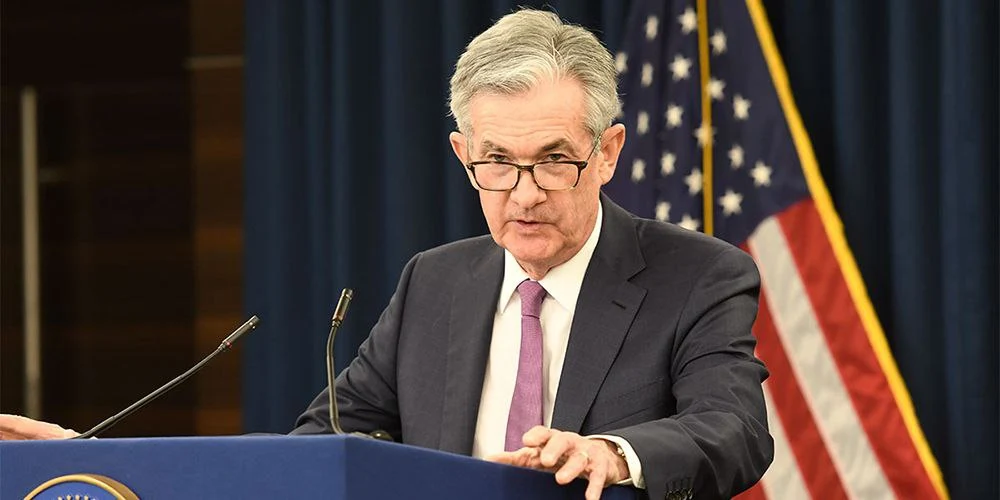
Economic Conditions and Powell’s Remarks
In recent statements, Jerome Powell, the Chair of the Federal Reserve, has indicated a notable shift in the central bank’s outlook on interest rates. During a prominent economic forum, he underscored the moderation of inflationary pressures and highlighted the cooling labor market as critical factors influencing monetary policy decisions. Powell’s remarks came at a time when many economists have been closely monitoring economic indicators, prompting discussions about the implications for interest rate adjustments.
The data released in the preceding months suggest that inflation, which had been a primary concern for the Federal Reserve, is showing signs of stabilization. This moderation can be attributed to various factors, including shifts in consumer behavior and adjustments in supply chain dynamics. Acknowledging these developments, Powell asserted that the current economic data might provide the necessary justification for a potential shift towards interest rate cuts. Such a stance could signal a transformative moment for the central bank, particularly after years of aggressive rate hikes aimed at curbing inflation.
Despite this cautiously optimistic perspective, Powell reiterated the Federal Reserve’s commitment to a data-dependent approach. He emphasized that any decisions regarding interest rate cuts would not be hasty but rather carefully evaluated based on evolving economic conditions. This balanced approach aims to ensure that the central bank does not exacerbate existing inflationary concerns while still supporting economic growth. Powell’s comments reflect a broader recognition of the complexities inherent in today’s economy, underscoring the necessity for flexibility in monetary policy.
As the Federal Reserve navigates these challenges, the potential for interest rate cuts remains an essential topic of discussion among economists and policymakers alike. The outcome of these considerations may significantly influence the financial landscape in the coming months.
Market Reactions to Powell’s Statements
Jerome Powell’s recent comments regarding potential interest rate cuts have significantly influenced various financial markets, initiating a wave of reactions that are crucial for investors to monitor. Following Powell’s remarks, U.S. equity markets experienced a notable surge, with major indexes like the S&P 500 and Dow Jones Industrial Average rallying sharply. The prospect of a more accommodative monetary policy suggests increased liquidity in the economy, which often encourages investment in equity markets. Investors began to price in these anticipated benefits, pushing stock prices higher as sentiment shifted towards a more optimistic outlook.
Moreover, the bond market reacted with a pronounced decline in Treasury yields. Typically, when interest rates are expected to fall, bond prices rise, leading to lower yields. This inverse relationship is particularly evident in the U.S. Treasury securities market, where yields dropped significantly, reflecting reduced expectations for future interest rate hikes. The decrease in yields serves as a clear indicator of investor sentiment, as many seek the relative safety of bonds in a lower interest rate environment, thus driving up demand and prices for these securities.
The cryptocurrency markets also reacted positively to Powell’s statements, with Bitcoin and other digital assets witnessing gains. As the potential for interest rate cuts suggests an influx of liquidity, investors in cryptocurrencies are inclined to reposition their portfolios in anticipation of higher risk tolerance and investor enthusiasm in alternative assets. The dynamics within the cryptocurrency market reflect a broader trend where investors seek out avenues that may yield higher returns in a low-rate environment. This trend highlights the interconnectedness of different markets and underscores the significance of Powell’s comments in shaping investor behavior across asset classes.
Implications of Potential Rate Cuts
Jerome Powell’s recent indications regarding potential interest rate cuts can have far-reaching implications for the broader economy. Over the past couple of years, the Federal Reserve has implemented restrictive monetary policies aimed at controlling the surge in post-pandemic inflation. These policies, while necessary at the time, have significantly affected borrowing costs, corporate investments, and overall consumer spending. A shift towards a more accommodative monetary policy in the form of rate cuts could create a more favorable environment for economic growth.
Lowering interest rates would reduce borrowing costs for both businesses and households. This decline in expenses associated with loans can stimulate corporate investment, encouraging companies to expand operations, innovate, and create jobs. In particular, small- and medium-sized enterprises, which often depend heavily on accessible credit, could find it easier to procure funding for growth initiatives. Moreover, lower rates can bolster consumer spending as households experience reduced payments on mortgages and credit lines, leading to increased disposable income. This rebound in consumption is vital for further economic recovery and overall prosperity.
Additionally, the prospect of rate cuts may provide greater encouragement for equity and cryptocurrency markets. Investors often react positively to the prospect of lower interest rates, viewing them as a signal for increased liquidity and potential capital gains. This sentiment can enhance market performance as capital flows into various asset classes. Furthermore, because U.S. monetary policy has global implications, any adjustment in interest rates could influence international markets, prompting other central banks to reconsider their own monetary strategies. Collectively, these outcomes underline the significance of Powell’s hints about potential rate reductions and their capacity to transform economic dynamics domestically and abroad.
Looking Ahead: Analysts’ Predictions on Rate Cuts
The financial landscape is currently abuzz with speculation regarding the future of interest rate cuts, especially following Jerome Powell’s recent comments. Analysts offer a spectrum of predictions about when the Federal Reserve may implement these cuts, reflecting a divide in opinions based on varying interpretations of prevailing economic conditions. Some analysts advocate for an immediate move, suggesting that the next Federal Open Market Committee (FOMC) meeting could herald a reduction in rates. They argue that, with recent signs of economic deceleration and a cooling labor market, the Fed may opt to reassure markets and stimulate growth through lower borrowing costs.
Conversely, a faction of experts contends that the Fed should exercise caution before making a significant policy shift. This group emphasizes the importance of consistent inflation control indicators. They argue that without solid evidence showing inflation rates firmly under control, any reduction in interest rates might be premature, potentially risking a resurgence of inflationary pressures. Their stance advocates for a more data-driven approach, allowing the Fed to evaluate the long-term impact of its previous rate hikes before making additional cuts.
Powell’s recent remarks signal a notable pivot in the Fed’s narrative, transitioning from a stance of unwavering patience to one more inclined toward easing monetary conditions. This shift illustrates an increased receptiveness to adapt to the evolving economic scenario. Analysts will closely monitor upcoming economic data releases to gauge the Fed’s next steps. As uncertainty abounds, investors and market participants alike are left contemplating the implications of a potential monetary policy shift. The coming weeks will be critical in determining whether analysts’ predictions align with the Fed’s actions and the prevailing economic climate.