
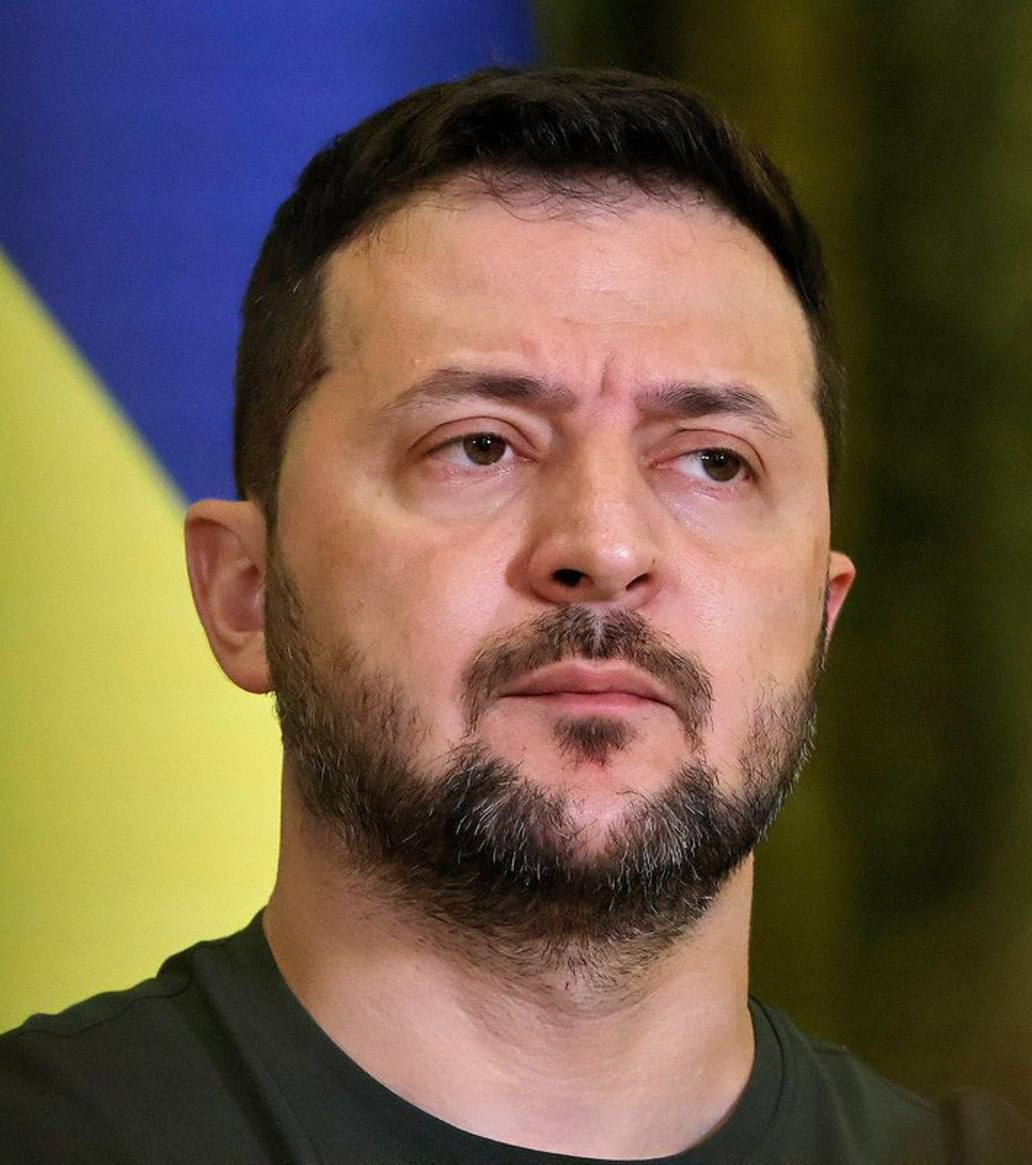
In recent weeks, Ukrainian President Volodymyr Zelensky has publicly refuted any proposals that suggest territorial concessions to Russia. This firm rejection underscores his administration’s commitment to maintaining Ukraine’s sovereignty and territorial integrity, principles embedded in the nation’s constitution. Zelensky’s statements come at a critical juncture in ongoing peace talks, where the stakes for Ukraine’s future have never been higher. The discussions surrounding these territorial adjustments raise significant concerns not only for Ukraine, but for international law and regional stability as well.
Following the escalation of conflict between Ukraine and Russia, the issue of territorial sovereignty has become increasingly contentious. The premise that Ukraine might entertain offers to cede land in exchange for peace is seen by Zelensky and many Ukrainians as an affront to the very essence of national identity and a threat to the country’s future. Such concessions could compromise Ukraine’s unity, potentially leading to further fragmentation and loss of confidence among the populace.
Amid these negotiations, President Zelensky’s stance serves to reaffirm the importance of territorial integrity as not merely a legal obligation, but a sentiment deeply intertwined with the national psyche. The Ukrainian leadership is aware that any perception of weakness or willingness to negotiate boundaries could embolden aggressors, thereby undermining Ukraine’s standing not only in the eyes of its citizens but also on the international stage.
In this context, Zelensky’s firm opposition to territorial concessions can be interpreted as a strategic maneuver aimed at preserving Ukraine’s rights while galvanizing national unity. The ability to navigate such geopolitical complexities presents an ongoing challenge, reflecting the delicate interplay between diplomacy and national resilience. As the discussions progress, the impact of Zelensky’s declarations will undoubtedly shape the future of Ukraine and its relations with neighboring countries, as well as the broader international community.
Zelensky’s Firm Stance on Territorial Integrity
Ukrainian President Volodymyr Zelensky has unequivocally stated that ceding any part of Ukraine’s territory is both “impossible” and “non-negotiable.” This strong declaration emphasizes a commitment to national sovereignty and the principles enshrined within the country’s constitution. Zelensky’s position underscores the belief that negotiations involving territorial concessions threaten the very fabric of Ukraine’s national identity and integrity.
The constitutional framework in Ukraine features provisions that reinforce the inviolability of borders, making any discussions around territorial compromises legally complex and politically sensitive. Zelensky articulated that the constitution does not permit any leader to engage in negotiations that would result in territorial losses, thereby solidifying a legal barrier against such propositions. This approach resonates deeply with the Ukrainian populace, which largely views territorial integrity as a critical component of national pride and unity.
Furthermore, Zelensky’s firm stance is reflective of a broader strategy to resist external pressures that may seek to fragment the nation. The ongoing conflict has heightened sensitivities surrounding territorial issues, and the rhetoric surrounding Ukraine’s sovereignty has shifted significantly since the onset of hostilities. Zelensky’s statements not only aim to rally domestic support but also signal to the international community Ukraine’s unwavering commitment to safeguarding its independence.
In maintaining a unified state, Zelensky emphasizes that peace must derive from respect for Ukraine’s territorial rights rather than through concessions. His leadership illustrates a determined effort to stand against external influence while promoting national solidarity, a message that resonates strongly during these challenging times. By fostering unity and resilience, President Zelensky aims to ensure that Ukraine remains whole and undivided, bolstering the nation’s aspirations for a secure and prosperous future.
Implications for International Diplomacy
Ukrainian President Volodymyr Zelensky’s unequivocal rejection of territorial concessions has profound implications for international diplomacy amid the ongoing conflict. His firm stance underscores a dedication to the sovereignty and territorial integrity of Ukraine, a principle that resonates not only with the Ukrainian populace but also with numerous global stakeholders advocating for a rules-based international order. This rejection sends a clear message to the international community regarding Ukraine’s unwavering commitment to its national boundaries. As diplomatic negotiations unfold, this position shapes the dynamics and framework through which mediators and international actors engage with the situation.
Zelensky’s refusal to entertain the notion of territorial exchanges complicates the efforts of various countries acting as mediators. These nations often strive to balance respect for Ukraine’s parameters while promoting dialogue aimed at peaceful resolution. The challenge lies in negotiating terms that acknowledge and uphold Ukraine’s sovereignty without dismissing the legitimate concerns of other parties involved in the conflict. The insistence on not ceding any territory could prompt a reconsideration of diplomatic strategies, compelling mediators to prioritize approaches that align with Ukraine’s red lines. Furthermore, it has the potential to galvanize support from allies who view territorial integrity as a fundamental component of international stability.
As the conflict progresses, Zelensky’s unwavering commitment may influence the trajectory of future negotiations. The implications are significant: potential contributors to peace talks may reassess their positions and proposals, recognizing that any perceived compromises on Ukraine’s territorial claims could be met with staunch opposition from both the government and its citizens. Ultimately, Zelensky’s rejection of territorial concessions will likely shape international diplomatic efforts, ensuring that Ukraine’s position remains at the forefront of discussions while further complicating the pathway to a comprehensive and lasting peace in the region.
Conclusion: The Path Forward for Ukraine
Throughout this discussion, it has become increasingly clear that President Volodymyr Zelensky’s refusal to entertain territorial concessions exemplifies Ukraine’s staunch commitment to its national integrity. His assertions resonate deeply within the context of international law and the principles that uphold the sovereignty of states. By maintaining a firm stance, Zelensky not only reinforces the pride of the Ukrainian people but also illuminates the significant complexities involved in any negotiation process that seeks a peaceful resolution to the ongoing conflict.
Key to understanding the trajectory of future peace talks is the recognition that Ukraine’s territorial integrity is non-negotiable. This principle forms the bedrock upon which any meaningful dialogue must be established. The ongoing conflict has severely tested Ukraine’s constitutional framework and societal cohesion, making it imperative for any agreements to respect the nation’s borders as recognized under international standards. Without this foundational respect for sovereignty, any peace discussions risk becoming futile ventures.
The path forward will undoubtedly be challenging, involving not only Ukrainian stakeholders but also international mediators who must navigate the delicate balance between encouraging dialogue and adhering to the nation’s sovereignty. As such, future negotiations will require a nuanced understanding of the interplay between national pride and diplomatic necessities. The role of allies and international organizations must also be considered, as they play a critical part in supporting Ukraine’s position while fostering an environment conducive to constructive dialogue.
In this evolving landscape, the commitment to Ukraine’s territorial integrity remains a rallying point for all parties involved. The outcomes of forthcoming discussions will shape not only Ukraine’s future but also the stability of the region, making effective diplomacy essential in light of Zelensky’s steadfast declarations.