
The IBC-BR Index: A Key Indicator for Brazil’s Economic Health
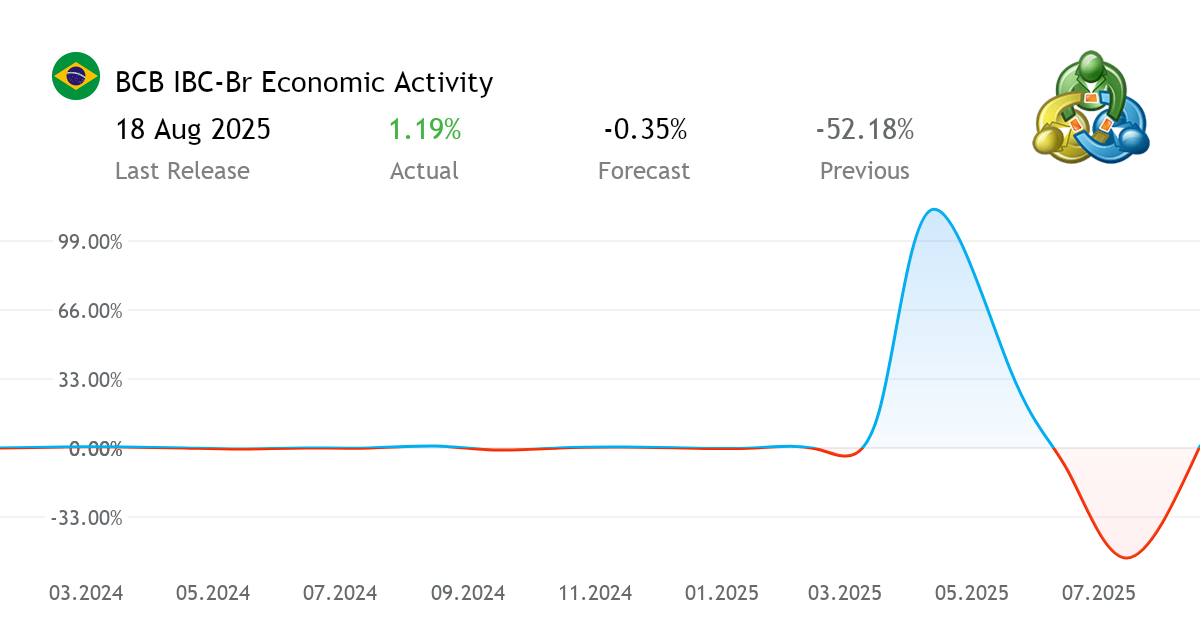
The IBC-BR index, or the Broad Consumer Activity Index, stands as a significant precursor to Brazil’s Gross Domestic Product (GDP) and serves as a vital tool for analyzing the nation’s economic health. As an aggregate indicator, it captures a wide range of economic activities, including industrial production, services, and agriculture, thereby providing a comprehensive overview of the domestic economic landscape. Investors and policymakers closely monitor this index as it reflects the performance of various sectors, allowing them to gauge the overall economic momentum amidst changing monetary policies.
In the context of the Central Bank’s ongoing monetary easing, the IBC-BR index takes on even greater importance. As interest rates are lowered to stimulate growth, the expectations regarding economic performance shift significantly. The anticipation surrounding the IBC-BR figure can influence market sentiments and impact investment decisions. In particular, a robust index reading could bolster confidence in Brazil’s economic resilience, while weakness might raise concerns about stagnation and challenge the credibility of monetary easing measures.
The forthcoming release of the IBC-BR figure is expected to be pivotal, shedding light on the impact of recent economic measures and geopolitical factors affecting Brazil. Investors will be particularly focused on how this data may reflect underlying strengths or vulnerabilities in the economy. Additionally, the index’s relationship with capital inflows into emerging markets is a vital consideration; a positive IBC-BR reading could attract more foreign capital, enhancing Brazil’s standing in global markets. By tracking this key indicator, stakeholders can gain critical insights into future interest rate policies and broader economic implications for both the domestic and international landscape.
Jackson Hole Symposium: Anticipation of Jerome Powell’s Speech
The Jackson Hole Economic Symposium, a notable annual gathering of central bankers, economists, and policymakers, is once again set to become the focal point for market participants as they await remarks from Federal Reserve Chair Jerome Powell. Historically, this event serves as a platform for discussing critical economic issues, with Powell’s speech anticipated to provide clarity on the Federal Reserve’s monetary policy trajectory. Given the current economic climate, the stakes are particularly high, and investors are keenly tuned in to the potential implications of his address.
Market predictions surrounding interest rate decisions have been a key topic leading up to the symposium. Recent economic indicators have shown signs of both resilience and vulnerability, leading some analysts to speculate on the likelihood of potential interest rate cuts by the Federal Reserve. Investors are poised to interpret Powell’s remarks as either aligning with a dovish stance—suggesting a more accommodative monetary policy—or reflecting a cautious outlook that reinforces the current interest rate levels. Such interpretations can significantly influence sentiment across equity and bond markets.
Should Powell signal a shift toward cutting interest rates, it may bolster risk appetite among investors, leading to increased equity valuations. Conversely, any hint of a cautious approach could lead to heightened volatility, potentially depressing stock markets and sustaining elevated bond yields. As global markets remain interconnected, the content and tone of Powell’s address hold broader implications—affecting not just American markets but also international financial flows and investment strategies. Consequently, the Jackson Hole Symposium commands attention not merely as a local event but as a major economic indicator with the potential to shape global market sentiments well beyond the confines of its venue.
Global Economic Outlook: PMI Estimates and China’s Policy Meeting
The upcoming policy meeting in China is poised to be a pivotal moment for global economic outlooks, particularly in light of the August Purchasing Managers’ Index (PMI) flash estimates. These economic indicators serve as vital resources for understanding manufacturing and service sectors’ health, reflecting real-time economic activity. Analysts and investors keenly anticipate these PMI figures, hoping they will provide clarity on the current state of the Chinese economy, which remains a significant driver of global growth.
As China’s economic landscape faces challenges ranging from weakened domestic consumption to external pressures, the significance of the PMI figures becomes even more pronounced. A drop in the PMI could suggest a contraction in economic activity, which would raise immediate concerns among investors. Conversely, strong PMI estimates may bolster confidence in the recovery process, signaling stable growth and robust corporate performance. Given China’s status as the world’s second-largest economy, shifts in its economic momentum can have far-reaching implications for global markets, especially in emerging markets that often depend on Chinese demand.
Moreover, the outcomes of this policy meeting are expected to encompass monetary policy adjustments that may impact interest rates and lending practices. If the central bank opts for aggressive monetary easing or additional fiscal stimulus, it could provide a much-needed impetus for both domestic businesses and international trade partners. Such decisions are critical, as they can trigger a ripple effect throughout the global economic system by affecting trade balances and capital flows. Investor sentiment will likely respond to these developments, adjusting their strategies in relation to perceived stability or instability in the region.
In conclusion, the release of the August PMI estimates alongside China’s monetary policy decisions will serve as essential barometers for the current economic climate. Understanding these metrics will empower investors to navigate the complexities of a dynamic global marketplace marked by uncertainty and opportunity.
Geopolitical Developments: The Trump-Zelensky Meeting and its Implications
The recent meeting between former President Donald Trump and Ukrainian President Volodymyr Zelensky has triggered significant geopolitical discussions, particularly in light of ongoing tensions in Eastern Europe. This encounter occurs against the backdrop of Trump’s prior dialogues with Russian President Vladimir Putin, raising questions about the implications for U.S.-Ukraine relations and potential resolutions to the ongoing conflict in Ukraine. Analysts note that markets are closely observing these developments, hoping for concrete action towards a ceasefire that has eluded the region for years.
The meeting’s intent appears to focus on reaffirming support for Ukraine amidst a turbulent geopolitical landscape, with the U.S. aiming to assert its influence while addressing security concerns posed by Russia. Investors are concerned, however, about the consistency and reliability of U.S. foreign policy, particularly given the shifting political tides in Washington. The uncertainty surrounding the Trump-Zelensky meeting introduces an additional layer of risk as stakeholders evaluate its short and long-term effects on market stability. Variables such as potential sanctions against Russia, military aid to Ukraine, and international responses are all critical elements influencing investor sentiment.
Moreover, the repercussions of this meeting extend beyond the immediate geopolitical sphere, affecting global markets as financial stakeholders take an increasingly cautious approach. Following the meeting, there is a palpable anticipation in financial circles for substantial announcements that could indicate a path towards peace. If such measures are not detailed, the prevailing unease regarding geopolitical tensions will likely persist, leading to volatility in markets as investors adjust their strategies in response to unfolding events. In summary, the intersection of Donald Trump’s discussions with Zelensky and Putin remains a pivotal focus for understanding market dynamics in a rapidly evolving geopolitical landscape.